





northern catalpa
Catalpa speciosa
The northern catalpa is a tall tree with big, heart-shaped leaves and beautiful white flowers. It provides shade and is loved by many birds and butterflies.
Habitat: Urban areas
The northern catalpa has large, heart-shaped leaves and showy white bell-shaped flowers with purple and yellow markings. Its most distinctive feature is the long, slender, bean-like pods that hang from its branches through winter.
Category
PlantsRarity
Common
Danger
1/5 · Very low
Snaps
27
A single northern catalpa tree can produce thousands of long, bean-like pods!
Early settlers used parts of the catalpa tree in traditional herbal remedies!
Its strong, rot-resistant wood was historically used for fence posts and railroad ties!
The unique 'catalpa worms' that feast on its leaves are prized fishing bait!
Northern catalpa can grow incredibly fast, reaching mature heights quickly to compete for sunlight.
This tree has deep roots that help it find water, allowing it to thrive even in drier conditions.
Its long, bean-like pods burst open, flinging hundreds of winged seeds far from the parent tree.
Apis mellifera
collects nectar and pollen from flowers
Ceratomia catalpae
larvae feed exclusively on catalpa leaves

Archilochus colubris
drinks nectar from its showy flowers
Deciduous plants periodically shed all their leaves, typically during autumn or dry seasons.
Flowering plants are any plants that produce flowers as part of their reproductive cycle.
Shade tolerant plants are adapted to grow and thrive in areas with low light levels, requiring less direct sunlight.
Summer blooming plants produce their flowers during the summer season, often providing vibrant color when many other plants have finished.

Broadleaf trees are angiosperms characterized by flat, wide leaves that are typically shed annually in temperate climates.

Describes plants that are particularly attractive and beneficial to a wide range of pollinating organisms.

Timber refers to wood that has been prepared for use in building and carpentry.

This habitat trait indicates species that can coexist with humans in urban and suburban environments, utilizing man-made structures and green spaces.
No aliases listed yet.
Danger
1/5 · Very low
Stay away from the tree's long pods; they can be messy when they fall.
The easiest way to identify northern catalpa is to use the Snappit nature identifier app.
1500-3000 cm
1000-1500 cm
3-5 cm
Late_spring_early_summer
No
Mild
Perennial
Zoom in to split clusters and explore where this object has been snapped.

Wisconsin, US
You might spot Turkey, White-Tailed Deer, and Dame's Rocket.
View guide →

New Jersey, US
You might spot Brant, Laughing Gull, and Great Black-Backed Gull.
View guide →

Connecticut, US
You might spot American Robin, Eastern Poison Ivy, and Duck.
View guide →

New Jersey, US
You might spot White-Tailed Deer and Eastern Gray Squirrel.
View guide →

New York, US
You might spot Common Eastern Bumble Bee and American Robin.
View guide →
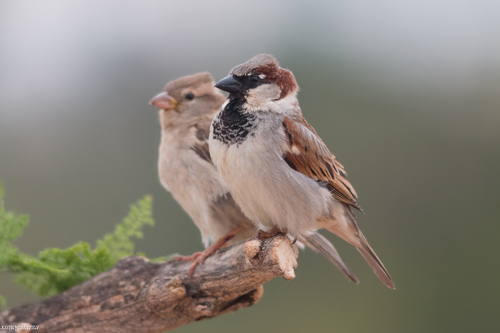
Pennsylvania, US
You might spot House Sparrow, Spotted Lanternfly, and American Robin.
View guide →
Take the discovery with you
Snap it with Snappit to identify it, learn what makes it special, and add the discovery to your collection.







.jpg&width=800)


_001.jpg&width=800)



