





Northern Pygmy-Owl
Glaucidium gnoma
The Northern Pygmy-Owl is a tiny owl that loves to hide in trees. It has big yellow eyes and a cute round face, making it look very friendly!
Habitat: Forests
The Northern Pygmy-Owl is a small, compact owl with a round head and no ear tufts. It has a brownish-grey body speckled with white, a whitish belly streaked with dark brown, and distinctive yellow eyes. Two prominent black spots on the back of its neck, outlined in white, mimic false eyes.
Category
BirdsRarity
Common
Danger
2/5 · Low
Snaps
2
Black spots on its neck look like extra eyes to trick predators!
Despite its small size, it can catch prey bigger than itself!
It often hunts during the day, which is unusual for an owl!
Its call is a series of simple, high-pitched 'hoo-hoo-hoo' whistles!
Northern Pygmy-Owl has two black spots on its neck that look like extra eyes, helping them deter predators from attacking from behind.
Northern Pygmy-Owl can hunt actively during the day, which is unusual for an owl, helping them find prey when other owls are resting.
Northern Pygmy-Owl has strong, sharp talons for its small size, which helps them capture prey even larger than themselves.
A tiny but fierce hunter, it mostly eats small birds, mammals, and large insects.
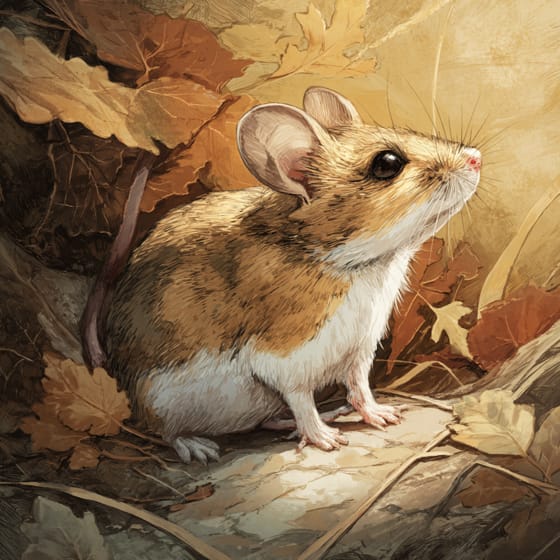
Peromyscus maniculatus
A common small mammal prey item.
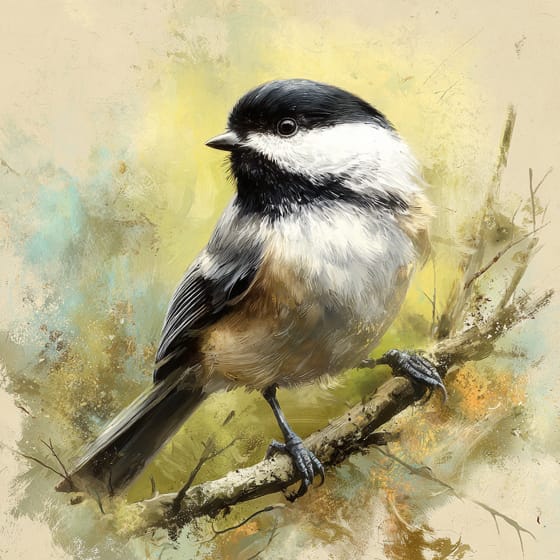
Poecile atricapillus
A frequently targeted small bird.

Cyanocitta stelleri
Jays often mob owls, but owls may eat their young.
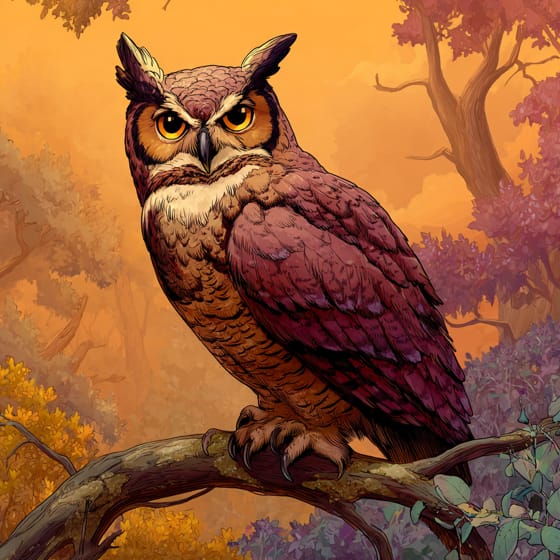
Bubo virginianus
Larger owls are potential predators.
Feathered describes animals, primarily birds, possessing a covering of feathers.
Solitary animals live alone for most of their lives, only interacting with others for mating or parental care.
Aerial creatures spend a significant portion of their lives airborne, utilizing flight for various activities such as hunting, migration, or nesting.
This trait identifies organisms whose diet primarily consists of insects and other small invertebrates.

An ambush predator hunts by patiently waiting and concealing itself, then launching a sudden attack when unsuspecting prey comes within range.

Forest habitats are terrestrial environments dominated by dense tree cover, supporting a high diversity of plant and animal life.

This trait identifies organisms whose diet consists entirely or primarily of animal tissue.

Pertaining to species that are significantly smaller than typical or average for their kind.

Nocturnal animals are primarily active during the nighttime hours, typically resting or sleeping during the day.

Endangered status indicates a species is at a very high risk of extinction in the wild in the near future.
No aliases listed yet.
Danger
2/5 · Low
Always watch owls from a distance and don’t try to touch them.
The easiest way to identify Northern Pygmy-Owl is to use the Snappit nature identifier app.
15-18 cm
30-38 cm
0.05-0.077 kg
7-10 years
40 km/h
A tiny but fierce hunter, it mostly eats small birds, mammals, and large insects.
Forests
Zoom in to split clusters and explore where this object has been snapped.
Take the discovery with you
Snap it with Snappit to identify it, learn what makes it special, and add the discovery to your collection.





.jpg&width=800)






