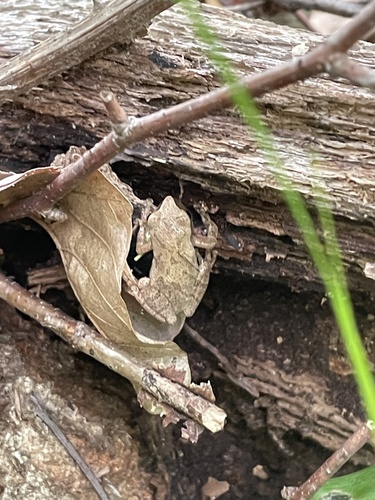



American Toad

Hamburg Bridge Historic District offers a journey back to 18th and 19th-century Connecticut.
Hamburg Bridge Historic District offers a journey back to 18th and 19th-century Connecticut. This charming district, listed on the National Register of Historic Places, showcases a remarkably preserved collection of colonial and federal-style architecture, nestled within a picturesque landscape. It's a testament to early American settlement and maritime trade, inviting visitors to explore a bygone era.
The district is anchored by the historic Hamburg Bridge itself, a multi-span structure that once facilitated crucial river crossings. Beyond the bridge, visitors can discover an array of well-preserved historic homes, each telling a unique story of the area's development. The rural setting along the Eightmile River and its tidal cove also provides opportunities to appreciate natural beauty, from mature trees lining the roads to the diverse birdlife attracted to the riverine environment.
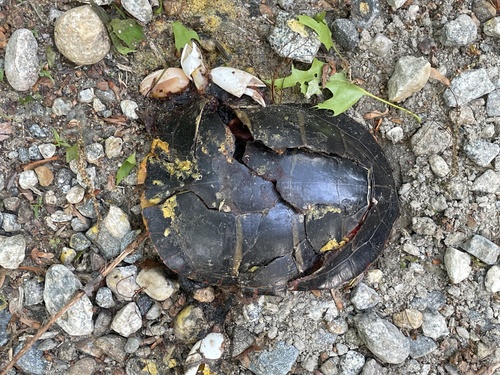
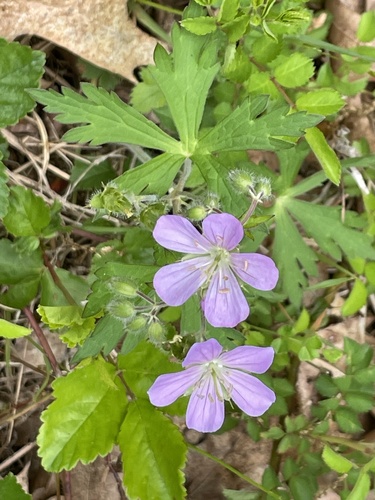
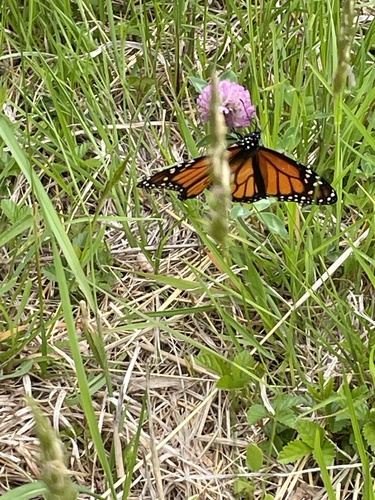
Visiting the Hamburg Bridge Historic District is an immersive experience that appeals to history buffs, architecture enthusiasts, and those seeking a tranquil escape. It's a place where you can stroll through history, admire architectural craftsmanship, and enjoy the serene beauty of the Connecticut landscape, offering a memorable glimpse into the region's rich heritage. Enhance your adventure: download the Snappit app to identify the local species you encounter.
The Hamburg Bridge Historic District, designated in 1983, comprises a significant collection of 18th and 19th-century structures that vividly portray the history of a once-thriving maritime village. Situated at a crucial crossing of the Eightmile River, the district's development was closely tied to shipbuilding, commerce, and the rich agricultural lands of Lyme, Connecticut. The village flourished due to its strategic location, facilitating trade and transportation, and the well-preserved buildings reflect the prosperity and architectural styles prevalent during its peak. The district's namesake, the Hamburg Bridge, has been a vital link for centuries, evolving from earlier wooden structures to its current form. The surrounding homes and outbuildings, many dating back to the late 1700s, showcase a range of architectural styles from modest colonial dwellings to more elaborate Federal-style residences, highlighting the area's economic growth and changing tastes over time.
Walk across and photograph the historic Hamburg Bridge.
* Admire the diverse architectural styles of the well-preserved houses.
* Enjoy the picturesque views of the Eightmile River and its tidal cove.
* Read historical markers (if present) to learn more about individual properties.
* Observe local birdlife along the riverbanks.
Spring: Mild temperatures, blooming wildflowers, active birdlife.
Summer: Warm, lush greenery, good for extended walks, but can be humid.
Fall: Crisp air, spectacular fall foliage, ideal for photography.
Winter: Cold, potentially snowy, offering a serene, stark beauty; some roads might be less accessible.
The district primarily consists of public roads and sidewalks (where available). Most of the viewing is from public rights-of-way. Wheelchair accessibility might be limited on unpaved shoulders or uneven terrain, but the main roads allow for viewing from a vehicle or paved surfaces.
The historic Hamburg Bridge, various colonial and Federal-style homes, and scenic views along the Eightmile River.
Each card links to a full Explore page with photos, traits, and fun facts.
Start with the big picture, then zoom in to explore individual wildlife observations around this place.
Wear comfortable shoes for walking along the district's roads and paths.
Bring a camera to capture the historic architecture and scenic river views, especially during golden hour.
Combine your visit with other nearby attractions in Lyme, such as Gillette Castle State Park or the Florence Griswold Museum.
Respect private property; admire the historic homes from public areas only.
Visit during the fall for breathtaking autumn foliage that enhances the historic setting.
Consider a picnic lunch at a nearby public park before or after your visit to the district.
Jun 2, 2026
Photo attribution
(c) Rochelle Davis, some rights reserved (CC BY)
License: CC BY 4.0 ↗
Image may be shown cropped inside the card frame.
May 28, 2026
Photo attribution
(c) Jim Arrigoni, some rights reserved (CC BY)
License: CC BY 4.0 ↗
Image may be shown cropped inside the card frame.
May 27, 2026
Photo attribution
(c) Jim Arrigoni, some rights reserved (CC BY)
License: CC BY 4.0 ↗
Image may be shown cropped inside the card frame.
May 27, 2026
Photo attribution
(c) Jim Arrigoni, some rights reserved (CC BY)
License: CC BY 4.0 ↗
Image may be shown cropped inside the card frame.
May 27, 2026
Photo attribution
(c) Jim Arrigoni, some rights reserved (CC BY)
License: CC BY 4.0 ↗
Image may be shown cropped inside the card frame.

Maryland, US
You might spot White-Tailed Deer and Eastern Gray Squirrel.
View guide →

District of Columbia, US
You might spot Eastern Gray Squirrel, Duck, and House Sparrow.
View guide →

Illinois, US
You might spot American Robin, Canada Goose, and House Sparrow.
View guide →

Virginia, US
You might spot Spotted Lanternfly and Northern Cardinal.
View guide →
Take the discovery with you
Identify the wildlife you spot, learn as you go, and keep a collection of the adventure.