





Northern Two-lined Salamander
Eurycea bislineata
The Northern Two-lined Salamander is a small, yellowish salamander with two dark stripes. They love to live in cool, damp places and are great at hiding under rocks and logs!
Habitat: Forests
The Northern Two-lined Salamander has a slender body with a yellow to orange-yellow back. It is distinctive for two prominent black lines running from behind its eyes down its sides, extending onto the tail. Its underside is typically a pale yellow.
Category
AmphibiansRarity
Common
Danger
1/5 · Very low
Snaps
23
Sometimes they build underground tunnels near streams to stay cool and hidden!
Their name "bislineata" means "two-lined" in Latin, describing their stripes!
These salamanders can live under rocks and logs for many months during winter!
They spend their entire larval life living underwater as tiny gilled creatures!
Northern Two-lined Salamander can breathe underwater and on land through its moist skin and mouth lining because it has no lungs!
Northern Two-lined Salamander can drop its tail when grabbed by a predator, distracting the attacker and allowing the salamander to escape.
Northern Two-lined Salamander hunts at night, using its keen senses to find tiny insects and worms when predators are less active.
Northern Two-lined Salamander has speckled brown and yellow skin that helps it blend perfectly with rocks and leaves in its streambed home.
This tiny amphibian loves to snack on small insects, spiders, and other tiny invertebrates found near water!
Age differences: Larvae eat tiny aquatic invertebrates, while adults consume a wider variety of terrestrial and aquatic insects.
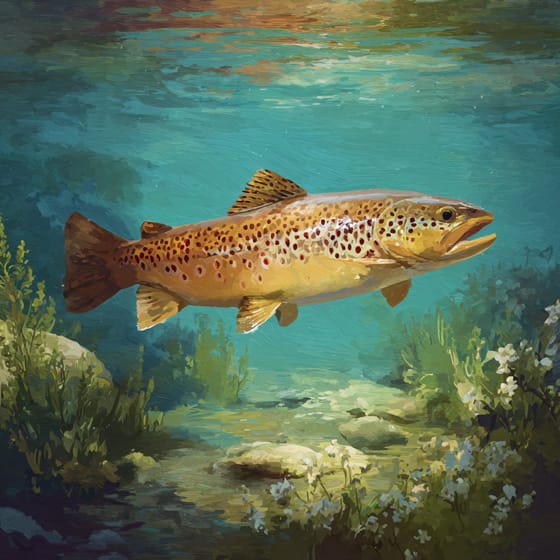
Salmo trutta
Large fish often prey on both adult and larval salamanders.
Thamnophis sirtalis
Snakes hunt them near water, especially during warmer months.
Chironomus plumosus
Adults and larvae consume the tiny larval stages of midges in streams.
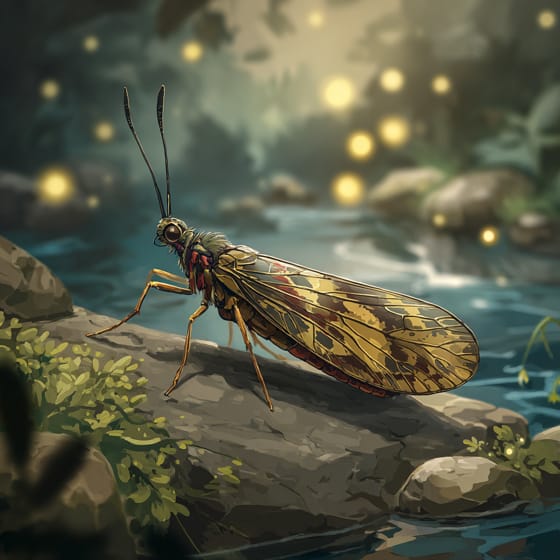
Limnephilus rhombicus
Larval salamanders feed on small caddisfly larvae found on streambeds.
Marked with parallel bands or lines of color.
Solitary animals live alone for most of their lives, only interacting with others for mating or parental care.
Camouflaged describes organisms that possess coloring or patterns that allow them to blend into their environment.
This trait identifies organisms whose diet primarily consists of insects and other small invertebrates.

Forest habitats are terrestrial environments dominated by dense tree cover, supporting a high diversity of plant and animal life.
Regenerative organisms possess the ability to regrow lost or damaged body parts, tissues, or organs.

Toxic organisms contain substances that are poisonous and can cause adverse effects upon exposure.

Nocturnal animals are primarily active during the nighttime hours, typically resting or sleeping during the day.

Endangered status indicates a species is at a very high risk of extinction in the wild in the near future.
No aliases listed yet.
Danger
1/5 · Very low
If you find a salamander, remember to look but not touch, so they can stay safe and happy.
The easiest way to identify Northern Two-lined Salamander is to use the Snappit nature identifier app.
7-12 cm
0.001-0.003 kg
5-10 years
This tiny amphibian loves to snack on small insects, spiders, and other tiny invertebrates found near water!
Forests
Foraging
10-90
Zoom in to split clusters and explore where this object has been snapped.

Massachusetts, US
You might spot Eastern Cottontail and American Robin.
View guide →

Pennsylvania, US
You might spot Mountain Laurel, Ghost Pipe, and Sweetfern.
View guide →

Virginia, US
You might spot Pharaoh Cicada, Lesser Celandine, and Eastern Box Turtle.
View guide →

Massachusetts, US
You might spot Mountain Laurel, Azure Bluet, and Partridgeberry.
View guide →

Vermont, US
You might spot Eastern White Pine, Staghorn Sumac, and Box Elder.
View guide →

New Jersey, US
You might spot Common Mugwort and White-Tailed Deer.
View guide →
Take the discovery with you
Snap it with Snappit to identify it, learn what makes it special, and add the discovery to your collection.







.JPG&width=800)


.jpg&width=800)

