





One-flowered Wintergreen
Moneses uniflora
One-flowered Wintergreen is a tiny, beautiful flower that blooms in the woods. It has a single white flower that hangs down like a little bell, and its leaves are shiny and green.
Habitat: Forests
The One-flowered Wintergreen has a single, waxy-white, bell-shaped flower that hangs downwards from a leafless stem. Its shiny, round, dark green leaves grow in a small rosette at the base, making it look unique on the forest floor.
Category
PlantsRarity
Common
Danger
1/5 · Very low
Snaps
6
Its tiny seeds are so light, they can be carried by the wind to new forest spots!
Some people call it 'St. Olaf's Candlestick' because its single flower looks like a tiny lamp!
The plant's scientific name, Moneses, means 'single delight' because of its solitary flower!
This flower's sweet scent helps attract busy bees for pollination!
One-flowered Wintergreen has evergreen leaves that stay green all winter, helping it absorb sunlight early in spring.
This plant can spread using creeping underground stems, allowing it to form small colonies in its preferred habitat.
One-flowered Wintergreen has roots that form a special partnership with fungi, helping it get nutrients from the soil.
Rhizoscyphus ericae
Forms a vital nutrient exchange partnership.
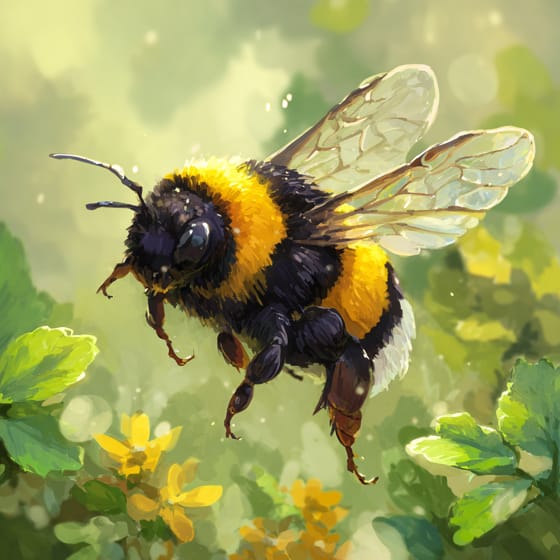
Bombus terrestris
Attracts these bees with its sweet nectar.
Picea mariana
Thrives in the cool, shaded understory of these trees.

Odocoileus virginianus
Its leaves may be browsed occasionally by deer.
Bell-shaped flowers possess petals fused or arranged to form a cup-like or campanulate structure resembling a bell.
Flowering plants are any plants that produce flowers as part of their reproductive cycle.
Shade tolerant plants are adapted to grow and thrive in areas with low light levels, requiring less direct sunlight.
Fragrant flowers emit a pleasant aroma, often to attract pollinators or for defense.

Medicinal plants possess chemical compounds that can be used for therapeutic purposes to treat illnesses or maintain health.

Edible plants are those parts of a plant that are considered safe for human consumption.

Forest habitats are terrestrial environments dominated by dense tree cover, supporting a high diversity of plant and animal life.

Pertaining to species that are significantly smaller than typical or average for their kind.

Threatened status denotes a species likely to become endangered in the foreseeable future without effective conservation interventions.
No aliases listed yet.
Danger
1/5 · Very low
Don't pick the flowers! They are best enjoyed in nature.
The easiest way to identify One-flowered Wintergreen is to use the Snappit nature identifier app.
5-15 cm
5-10 cm
1-2 cm
Late spring to late summer
Yes
None
Perennial
Zoom in to split clusters and explore where this object has been snapped.

Alaska, US
You might spot Cliff Swallow, Pretty Jacob's-Ladder, and Dwarf Fireweed.
View guide →

Washington, US
You might spot Pacific Banana Slug and Oregon Forestsnail.
View guide →

Montana, US
You might spot Field Crescent, Thimbleberry, and Baker's Mariposa Lily.
View guide →
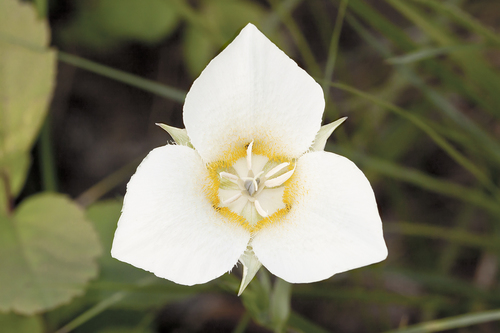
Montana, US
You might spot Baker's Mariposa Lily and Columbian Monkshood.
View guide →

Washington, US
You might spot Salal, Bog Labrador Tea, and Salmonberry.
View guide →

Colorado, US
You might spot Broad-Tailed Hummingbird.
View guide →
Take the discovery with you
Snap it with Snappit to identify it, learn what makes it special, and add the discovery to your collection.







.jpg&width=800)


_001.jpg&width=800)


