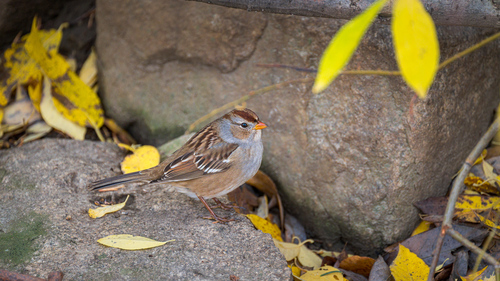
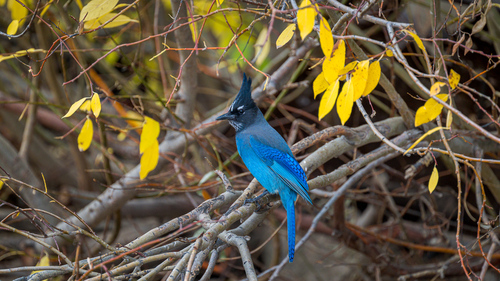
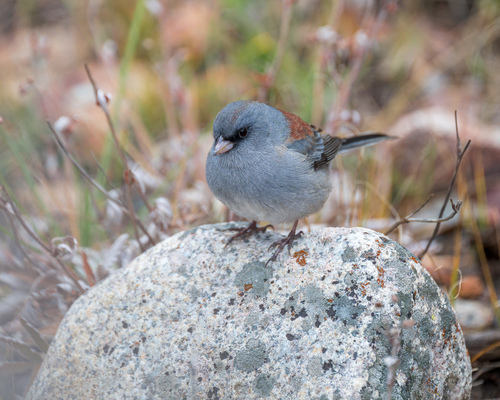
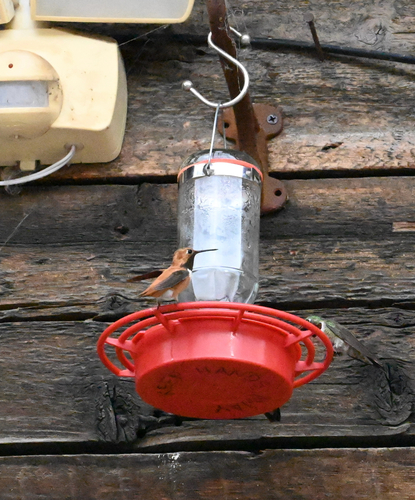
Dark Eyed Junco

St. Elmo, Colorado is a remarkably preserved ghost town offering a vivid glimpse into the Old West. Nestled at nearly 10,000 feet in the majestic Sawatch Range, this historic mining settlement stands as one of Colorado's best-preserved ghost towns, transporting visitors back to the late 19th century. Its authentic wooden buildings, surrounded by breathtaking mountain scenery, tell tales of a bygone era when gold and silver fueled dreams and shaped the rugged landscape.
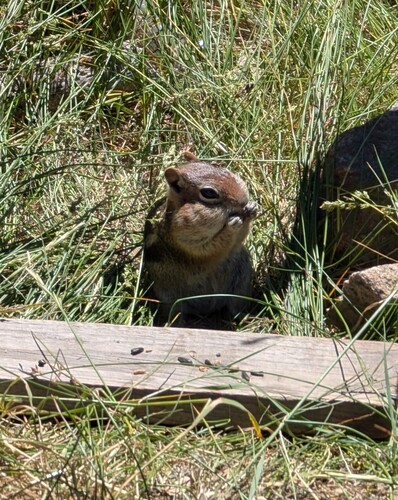
Wandering down St. Elmo's Main Street reveals a collection of original 1880s and 1890s structures, including the still-operating General Store, historic cabins, the schoolhouse, and the rebuilt Town Hall, which now serves as a local history museum. Beyond the fascinating architecture, visitors can delight in a unique interaction with the town's famously friendly chipmunks, often seen scampering about and even eating from visitors' hands. The surrounding Chalk Creek Canyon offers a stunning natural backdrop, perfect for photography and outdoor exploration.
A visit to St. Elmo is more than just a historical tour; it's an immersive experience, a living museum frozen in time, offering both educational insights and tranquil beauty. Whether you're captivated by the detailed craftsmanship of historic buildings, eager to spot local wildlife, or simply seeking a peaceful escape into Colorado's rich past, St. Elmo provides a memorable adventure away from modern-day bustle. The scenic drive through Chalk Creek Canyon leading to the town further enhances its allure. Be ready to snap and learn! Get the Snappit app to identify any nature species you find here.
St. Elmo's story began in 1880, initially platted as Forest City before being renamed St. Elmo due to a postal service conflict. The town quickly boomed with the discovery of gold and silver in the Chalk Creek Canyon, particularly driven by the highly successful Mary Murphy Mine, which extracted millions in gold and silver. At its peak in the 1890s, St. Elmo boasted a population of nearly 2,000 residents and a bustling community complete with a telegraph office, five hotels, saloons, and a schoolhouse. The arrival of the Denver, South Park & Pacific Railroad in 1881 further fueled its prosperity, connecting the remote mining town to the Alpine Tunnel and broader markets. However, as mining operations declined in the early 1920s and railroad service was discontinued in 1922/1926, the town's population dwindled. Despite its decline, St. Elmo earned its reputation as one of Colorado's best-preserved ghost towns largely due to the Stark family, who remained residents for decades, acquiring properties and dedicating themselves to its preservation. Today, Historic St. Elmo, Inc. continues these efforts, maintaining many of the original structures.
Walk along Main Street, taking in the preserved architecture and historical ambiance.
* Feed the chipmunks, a popular activity for all ages.
* Explore exhibitions and historical photographs inside the General Store and Town Hall museum.
* Drive or take an ATV/Jeep on nearby historic mining roads and trails, such as those leading to the Mary Murphy Mine ruins or Tincup Pass.
* Enjoy hiking in the surrounding Sawatch Range.
* Fish in Chalk Creek, with public access points available at Iron City Campground.
* Visit the old graveyard for a solemn reflection on the past.
Summer provides the best access and full operation of the General Store. Autumn brings vibrant fall colors, but be prepared for cooler temperatures. Winter can offer a serene, snow-covered landscape, but some roads or trails may be impassable for standard vehicles. Always check local road conditions before visiting, especially outside of peak summer.
St. Elmo is generally accessible by 2WD vehicle via County Road 162 from Nathrop. Parking is available upon entering town, allowing visitors to walk along Main Street. However, many of the surrounding off-road trails require 4x4 vehicles.
Step inside this functioning historical building for souvenirs, snacks, and a glimpse into the past.
Explore the exteriors and sometimes interiors of the Home Comfort Hotel, the Rebuilt Town Hall (housing a museum), the schoolhouse, and other original cabins and commercial buildings.
A unique and beloved highlight is feeding the wild, yet accustomed, chipmunks who readily approach visitors for seeds.
Each card links to a full Explore page with photos, traits, and fun facts.
Start with the big picture, then zoom in to explore individual wildlife observations around this place.
Bring seeds for chipmunks
This is a highlight for many visitors, especially families. The General Store often sells seeds, but bringing your own is a good idea.
Wear comfortable shoes
St. Elmo's charm lies in exploring its historic streets and buildings on foot.
Carry cash
While the General Store is seasonal, having cash is wise for small purchases or any donation tubes for town preservation.
Respect private property
Many buildings, though historic, are privately owned or managed, so observe "No Trespassing" signs.
Check road conditions
County Road 162 to St. Elmo is generally well-maintained, but can become rough, especially during wet weather or outside of summer. Some side trails require 4x4 vehicles.
Layer your clothing
Due to the high elevation (nearly 10,000 feet), temperatures can change rapidly, even in summer.
Oct 12, 2025
Photo attribution
(c) Shiva Shenoy, some rights reserved (CC BY)
License: CC BY 4.0 ↗
Image may be shown cropped inside the card frame.
Oct 12, 2025
Photo attribution
(c) Shiva Shenoy, some rights reserved (CC BY)
License: CC BY 4.0 ↗
Image may be shown cropped inside the card frame.
Oct 12, 2025
Photo attribution
(c) Shiva Shenoy, some rights reserved (CC BY)
License: CC BY 4.0 ↗
Image may be shown cropped inside the card frame.
Jul 17, 2025
Photo attribution
no rights reserved
License: CC0 1.0 ↗
Image may be shown cropped inside the card frame.
Jul 28, 2024
Photo attribution
(c) Zac Peterson, some rights reserved (CC BY)
License: CC BY 4.0 ↗
Image may be shown cropped inside the card frame.

Maryland, US
You might spot White-Tailed Deer and Eastern Gray Squirrel.
View guide →
.jpg)
District of Columbia, US
You might spot Eastern Gray Squirrel, Duck, and House Sparrow.
View guide →

Illinois, US
You might spot American Robin, Canada Goose, and House Sparrow.
View guide →

Virginia, US
You might spot Spotted Lanternfly and Northern Cardinal.
View guide →
Take the discovery with you
Identify the wildlife you spot, learn as you go, and keep a collection of the adventure.