





Orchard Oriole
Icterus spurius
The Orchard Oriole is a bright yellow bird with a black head and wings. They love to sing and can often be found in orchards and gardens, making them a cheerful sight in the trees.
Habitat: Orchards and gardens
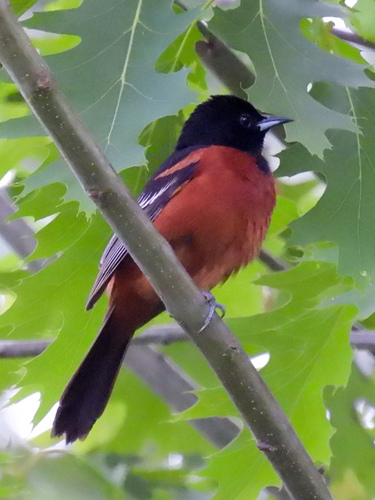
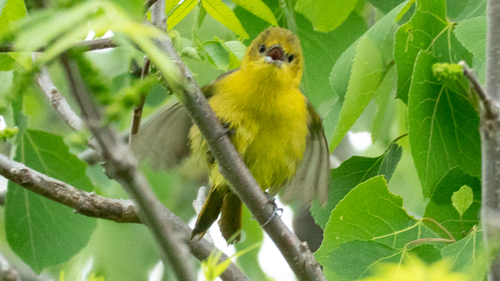
The Orchard Oriole has a sleek body with a pointed bill. Males are striking with rich chestnut underparts and a black head and back. Females are yellowish-olive with darker wings, offering good camouflage.
Category
BirdsRarity
Common
Danger
1/5 · Very low
Snaps
33
Baby orioles grow so fast, they leave the nest in only two weeks!
Imagine flying thousands of kilometers every year, just for winter!
Males have two different songs: one for mates, one for territory!
Sometimes, females weave spiderwebs into their nests to make them super strong!
Orchard Oriole can craft intricate, hanging cup-shaped nests because of its weaving skill, providing a safe home for chicks.
Orchard Oriole has a pointed bill that helps it drink nectar from flowers, giving it energy for singing and flying.
Orchard Oriole can snatch flying insects right out of the air because of its agile flight, keeping garden pests in check.
A fruit and insect lover, this bird enjoys a varied diet!
Age differences: Young are fed mostly protein (insects) for rapid growth.
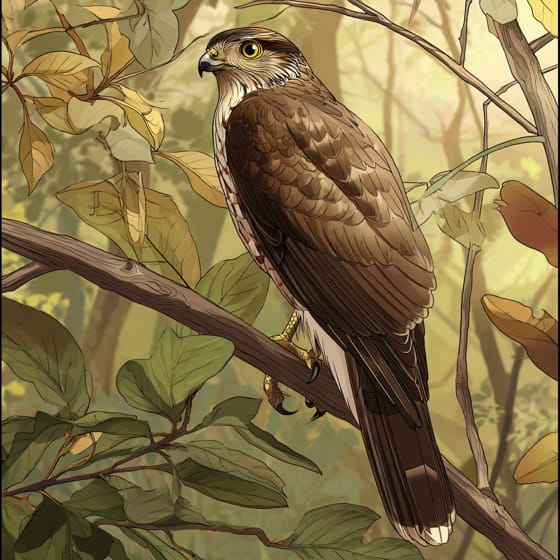
Accipiter cooperii
a common avian predator of songbirds.
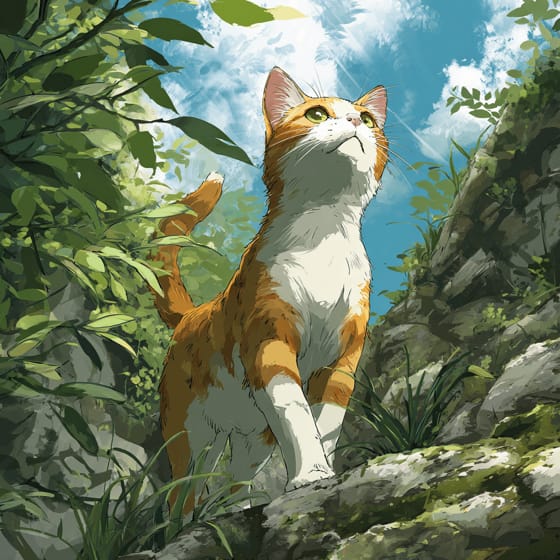
Felis catus
an introduced predator, especially in suburban areas.
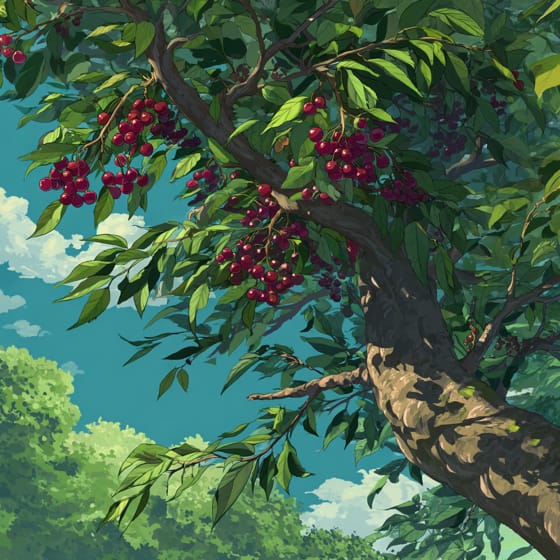
Prunus serotina
cherries are a favorite fruit, providing vital energy.
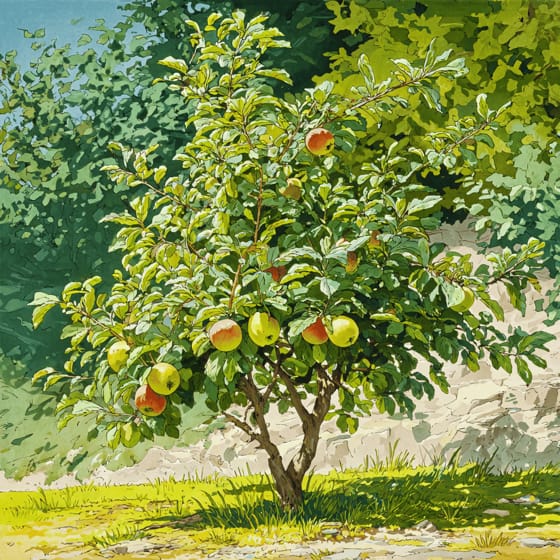
Malus domestica
nests are often woven into the branches of apple trees.
Malacosoma americanum
caterpillars are a vital protein source for adults and chicks.
Feathered describes animals, primarily birds, possessing a covering of feathers.
Social animals live in organized groups, cooperating for survival benefits such as foraging, defense, and raising offspring.
Singing animals produce complex vocalizations, often for purposes of attracting mates, defending territory, or communicating within their species.
Colorful describes organisms or objects displaying a wide range of bright and distinct colors.

This trait identifies organisms whose diet primarily consists of insects and other small invertebrates.

Diurnal animals are primarily active during daylight hours, typically resting or sleeping at night.

This habitat trait indicates species that can coexist with humans in urban and suburban environments, utilizing man-made structures and green spaces.
Danger
1/5 · Very low
Enjoy watching birds from a distance and don't try to touch them.
The easiest way to identify Orchard Oriole is to use the Snappit nature identifier app.
15-18 cm
25-30 cm
0.015-0.028 kg
4-7 years
60 km/h
A fruit and insect lover, this bird enjoys a varied diet!
Orchards and gardens
Zoom in to split clusters and explore where this object has been snapped.
Jun 2, 2026
Lyman School for BoysPhoto attribution
no rights reserved
License: CC0 1.0 ↗
Image may be shown cropped inside the card frame.
May 31, 2026
Cumberland Mills Historic DistrictPhoto attribution
no rights reserved
License: CC0 1.0 ↗
Image may be shown cropped inside the card frame.

Massachusetts, US
You might spot Eastern White Pine and Common Eastern Bumble Bee.
View guide →

New York, US
You might spot American Robin, Pond Slider, and Northern Cardinal.
View guide →

Indiana, US
You might spot Eastern Fox Squirrel, Duck, and Canada Goose.
View guide →

Ohio, US
You might spot Spotted Lanternfly and Eastern Fox Squirrel.
View guide →

Tennessee, US
You might spot American Robin, Northern Cardinal, and Eastern Chipmunk.
View guide →
Maryland, US
You might spot Duck, American Toad, and Eastern Bluebird.
View guide →
Take the discovery with you
Snap it with Snappit to identify it, learn what makes it special, and add the discovery to your collection.




.jpg&width=800)








