





Oregon Boxwood
Paxistima myrsinites
The Oregon Boxwood is a small, evergreen shrub that stays green all year round. It has shiny leaves and can grow in different shapes, making it a lovely addition to gardens.
Habitat: Forests
The Oregon Boxwood is an evergreen shrub with small, glossy, oval leaves that can turn reddish in winter. Its slender, often reddish stems create a dense, compact form. It produces tiny, inconspicuous greenish-red flowers.
Category
PlantsRarity
Common
Danger
1/5 · Very low
Snaps
5
Deer and elk often munch its evergreen leaves during snowy winters.
It can form dense, green carpets that prevent soil erosion!
Its tiny flowers look like mini green stars, easily missed!
Some call it "Mountain Lover" because it thrives high in rocky forests.
Oregon Boxwood has tough, evergreen leaves that photosynthesize all year, helping it thrive even in cold seasons.
Its small, leathery leaves help the Oregon Boxwood conserve water, allowing it to survive dry periods.
This plant can grow in dense forest understories, adapting to low light conditions where many others struggle.
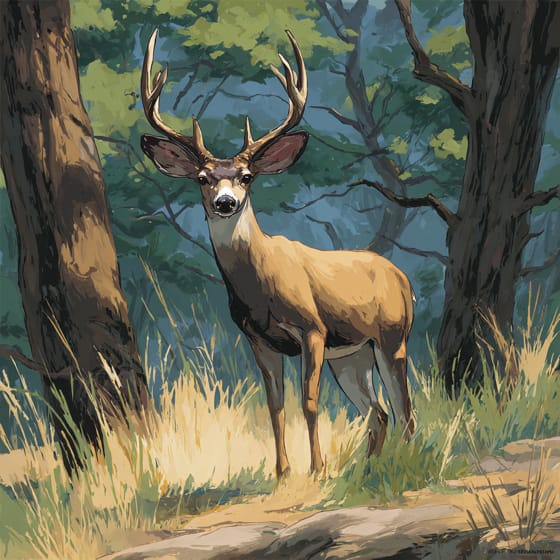
Odocoileus hemionus
Deer browse its evergreen leaves, especially in winter.
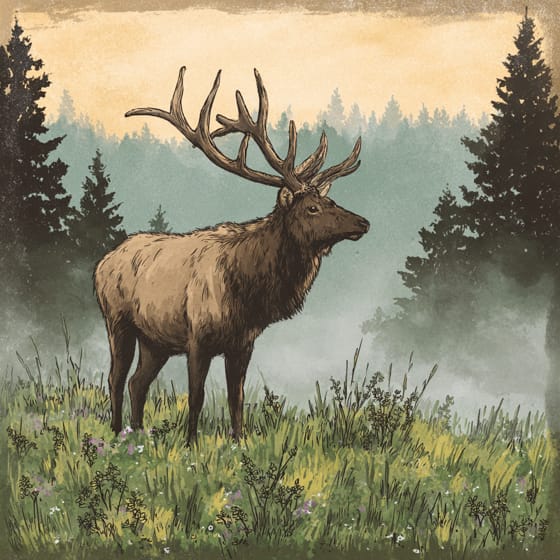
Cervus canadensis
Elk also rely on its foliage as a winter food source.
Ursus americanus
Black bears may nibble its small, inconspicuous fruits.
Bombus occidentalis
Bumblebees visit its small flowers to collect nectar and pollen.
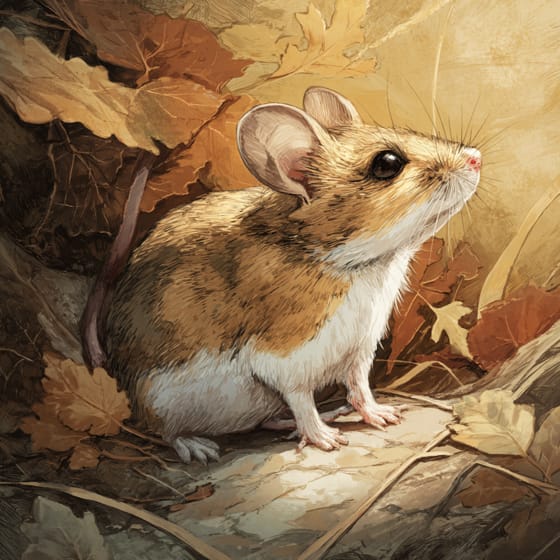
Peromyscus maniculatus
Small mammals find safe cover within its dense, spreading branches.
Ornamental plants are cultivated primarily for their aesthetic appeal, enhancing landscapes and gardens with their attractive foliage, flowers, or form.
Shade tolerant plants are adapted to grow and thrive in areas with low light levels, requiring less direct sunlight.
A shrub is a woody plant smaller than a tree, typically with multiple stems branching from or near the ground.
Evergreen plants retain their foliage throughout the year, never shedding all their leaves at once.

Drought-tolerant plants can survive and flourish in conditions with limited water availability.

Forest habitats are terrestrial environments dominated by dense tree cover, supporting a high diversity of plant and animal life.

This trait characterizes organisms with an exceptionally long lifespan compared to others of their kind.
No aliases listed yet.
Danger
1/5 · Very low
Always ask an adult before touching plants, as some can be prickly or cause allergies.
The easiest way to identify Oregon Boxwood is to use the Snappit nature identifier app.
30-150 cm
50-300 cm
0.2-0.5 cm
Late Spring to Early Summer
No
None
Perennial
Zoom in to split clusters and explore where this object has been snapped.

Arizona, US
You might spot Yarrow's Spiny Lizard and Mexican Jay.
View guide →
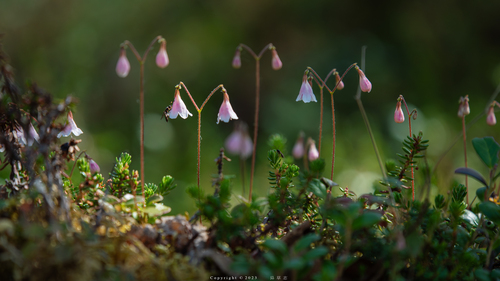
British Columbia, CA
You might spot Twinflower and Western Rattlesnake Plantain.
View guide →

New Mexico, US
You might spot Tree Cholla, Mule Deer, and Sacred Datura.
View guide →

Wyoming, US
You might spot Moose, Snowbrush Ceanothus, and Black Bear.
View guide →

Wyoming, US
You might spot Moose and Yellow-Bellied Marmot.
View guide →

Wyoming, US
You might spot Moose and Yellow-Bellied Marmot.
View guide →
Take the discovery with you
Snap it with Snappit to identify it, learn what makes it special, and add the discovery to your collection.








.jpg&width=800)



_001.jpg&width=800)

