





Oriental Beetle
Exomala orientalis
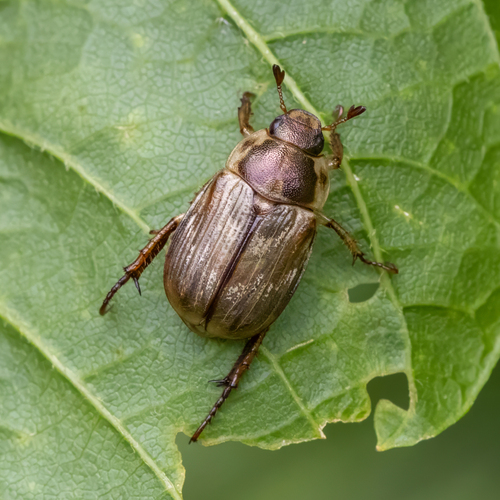
The Oriental Beetle is a small, shiny bug that loves to munch on plants. They have a unique dark color with light spots, making them easy to spot in gardens and parks!
Habitat: Urban areas
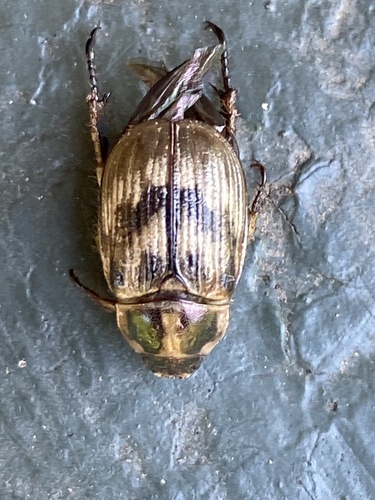
The Oriental Beetle has a shiny, oval body, typically light brown to straw-colored. Its head and thorax are often darker, ranging from black to dark brown, sometimes with subtle patterns. It lacks the metallic green head and coppery wing covers of the similar Japanese beetle.
Category
InsectsRarity
Common
Danger
1/5 · Very low
Snaps
35
Wow! Adult beetles are strongly attracted to bright lights on warm summer nights!
Wow! Their babies are C-shaped grubs that live munching on roots underground!
Wow! They belong to the huge scarab beetle family, known for shiny bodies!
Wow! They sometimes play dead by flipping onto their backs if they get scared!
Oriental Beetle can fly using its strong wings, which helps them find food and new places to live.
Oriental Beetle larvae can burrow into soil because of their strong mandibles, protecting them from danger.
Oriental Beetle has sensitive antennae that help them smell out plants and find mates in the dark.
These beetles munch on roots as grubs and feast on flowers and leaves as adults.
Age differences: Larvae (grubs) eat plant roots, while adults feed on flowers and foliage.

Poa pratensis
Grubs cause damage by feeding on its roots.
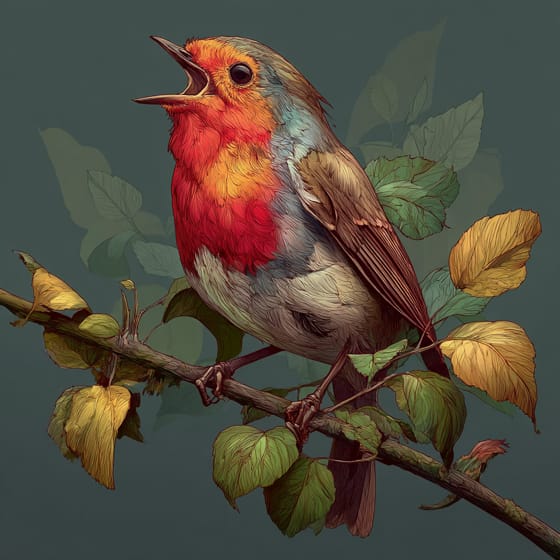
Turdus migratorius
Robins frequently dig up and eat beetle grubs.
Tiphia vernalis
Wasp larvae develop inside Oriental beetle grubs.
Marked with spots or patches of a different color.
Solitary animals live alone for most of their lives, only interacting with others for mating or parental care.
This trait characterizes organisms whose diet consists entirely or primarily of plant material.
Describes organisms that break down dead organic material, recycling nutrients back into the ecosystem.

This habitat trait indicates species that can coexist with humans in urban and suburban environments, utilizing man-made structures and green spaces.

Nocturnal animals are primarily active during the nighttime hours, typically resting or sleeping during the day.

Describes organisms that transfer pollen, enabling the fertilization and reproduction of plants.
No aliases listed yet.
Danger
1/5 · Very low
Be gentle and watch where you step; insects are small and can be easily hurt.
The easiest way to identify Oriental Beetle is to use the Snappit nature identifier app.
16-22 mm
8-11 mm
20-45 days
5-10 km/h
These beetles munch on roots as grubs and feast on flowers and leaves as adults.
Urban areas
Foraging
Zoom in to split clusters and explore where this object has been snapped.
Jun 20, 2026
Fairlie-PoplarPhoto attribution
(c) Dan Vickers, some rights reserved (CC BY)
License: CC BY 4.0 ↗
Image may be shown cropped inside the card frame.

South Carolina, US
You might spot Anole, Green Treefrog, and Eastern Gray Squirrel.
View guide →

Rhode Island, US
You might spot Spotted Lanternfly, Duck, and American Robin.
View guide →

Virginia, US
You might spot Pharaoh Cicada, Lesser Celandine, and Eastern Box Turtle.
View guide →

US
You might spot Wharf Louse, Osprey, and Ruddy Turnstone.
View guide →

New Jersey, US
You might spot White-Tailed Deer and Eastern Gray Squirrel.
View guide →

New York, US
You might spot Common Eastern Bumble Bee and American Robin.
View guide →
Take the discovery with you
Snap it with Snappit to identify it, learn what makes it special, and add the discovery to your collection.








.jpg&width=800)




