Giraffes
Dickerson Park Zoo offers an engaging journey into the animal kingdom.
Dickerson Park Zoo offers an engaging journey into the animal kingdom. This accredited zoological park in Springfield, Missouri, provides a unique opportunity to connect with over 500 animals representing more than 160 species from around the globe. Organized into geographically themed regions, the zoo encourages discovery and inspires conservation action, making it a vibrant destination for wildlife enthusiasts of all ages.
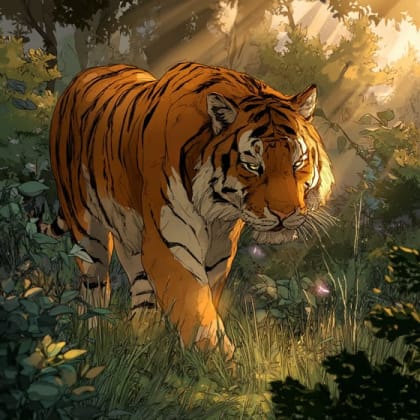
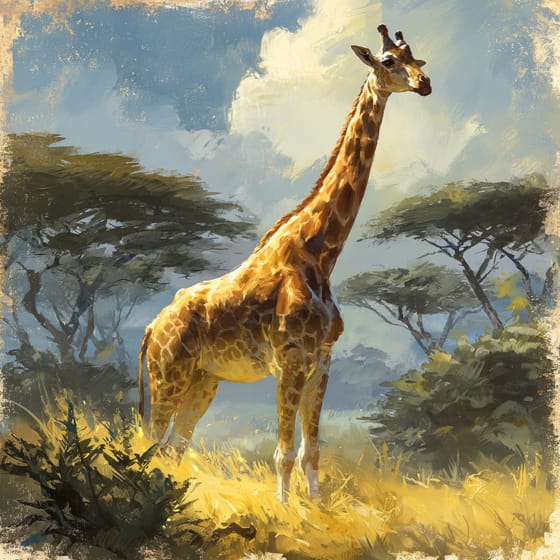
Visitors can explore diverse habitats, including "Tropical Asia" with its majestic elephants and Malayan tigers, "Africa" featuring powerful lions, cheetahs, and towering giraffes, and "South America" where maned wolves and colorful flamingos roam. The "Missouri Habitats" section showcases native wildlife like playful river otters, black bears, and mountain lions, while the Ambler Diversity of Life Building is home to a variety of reptiles and amphibians. Interactive experiences like the giraffe feeding deck and the Outback Corral petting zoo further enhance the connection between guests and animals.
More than just an animal exhibition, Dickerson Park Zoo is dedicated to conservation, education, and research, participating in Species Survival Plans for endangered animals like Asian elephants, maned wolves, and cheetahs. With paved trails winding through 1.2 miles of naturalistic exhibits, along with a playground, café, and seasonal train ride, the zoo provides a memorable experience that blends fun, learning, and a deep appreciation for wildlife conservation. Be ready to snap and learn! Get the Snappit app to identify any nature species you find here.
Dickerson Park Zoo's roots trace back to 1922 when it was established by the Springfield Park Board on land purchased from the estate of Jerome Dickerson, Sr.. In its early years, the zoo benefited from the Works Progress Administration (WPA) labor and funds during the 1930s, which helped develop its grounds. However, by 1975, the zoo had fallen into disrepair and faced potential closure. A pivotal moment came with the commitment from the City of Springfield and the formation of "Friends of the Zoo" (FOZ), a dedicated support group. This non-profit organization helped revitalize the zoo by building a membership base, launching educational programs, and securing donations for improvements. The adoption of a master plan in 1985 envisioned the zoo's current geographic themes, leading to its accreditation by the Association of Zoos and Aquariums (AZA) in 1986, a status it has maintained ever since.
Engage in interactive animal encounters, watch keeper talks (seasonal), stroll through geographically themed regions, enjoy a meal at the Bush Country Café, or shop for souvenirs at the Safari Trading Company Gift Shop. Don't miss the opportunity to see the variety of monkeys, including Red Ruffed Lemurs, Howler Monkeys, Spider Monkeys, Squirrel Monkeys, and Capuchin Monkeys.
Spring/Summer: Ideal for seeing most animals active, enjoying the splash pad, and experiencing keeper chats. The giraffe feeding deck and train operate during these seasons.
Fall: Cooler temperatures make for a pleasant walking experience.
Winter: Many animals, such as otters, tigers, lions, and zebras, are active and can be seen enjoying the cold weather or even snow. Some birds and primates may be off-exhibit, and the zoo may close if walkways are icy.
Dickerson Park Zoo is designed with accessibility in mind, featuring paved trails throughout its 1.2 to 1.5 miles of pathways, making it suitable for wheelchairs and strollers. Wheelchairs and electric convenience vehicles are available for rent. Service animals are welcome.
Get eye-to-eye with these magnificent creatures and offer them fresh lettuce (seasonal).
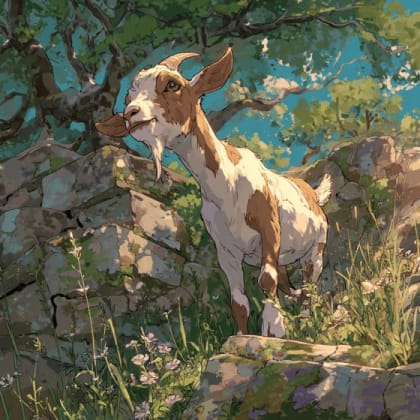
Interact with goats, donkeys, sheep, and other hoofstock, with opportunities to purchase feed.
A relaxing ride around the lake, especially popular with children (seasonal).
Explore a variety of reptiles and amphibians from around the world.
Each card links to a full Explore page with photos, traits, and fun facts.
Start with the big picture, then zoom in to explore individual wildlife observations around this place.
Wear comfortable shoes
** With 1.2 to 1.5 miles of paved trails, you'll be doing a fair amount of walking.
Plan your visit around animal feeding times or keeper talks: These can offer special insights and more active animal viewing opportunities.
Consider visiting during cooler months
Many animals, like tigers, lions, and otters, are often more active when temperatures are lower.
Bring water bottles
Stay hydrated, especially during warmer months. While outside drinks are generally restricted, water bottles are permitted.
Utilize the train and splash pad
The Titus Express Miniature Train can offer a relaxing break, and the Jumping Jewels splash pad is great for kids to cool off in summer.
Check the website for current hours and seasonal closures: Operating hours can change seasonally, and the zoo may close due to icy conditions or holidays.
May 24, 2026
Photo attribution
(c) Nathan Aaron, some rights reserved (CC BY)
License: CC BY 4.0 ↗
Image may be shown cropped inside the card frame.
May 14, 2026
Photo attribution
(c) Lucky Okpanachi Atabo, some rights reserved (CC BY)
License: CC BY 4.0 ↗
Image may be shown cropped inside the card frame.
May 14, 2026
Photo attribution
(c) Lucky Okpanachi Atabo, some rights reserved (CC BY)
License: CC BY 4.0 ↗
Image may be shown cropped inside the card frame.
Jun 6, 2026
Jun 5, 2026

Michigan, US
You might spot African Lion, Komodo Dragon, and Brown Bear.
View guide →
.jpg)
Municipal District of Cobh, IE
You might spot Ring-Tailed Lemur, Giraffes, and Cheetahs.
View guide →

Nouvelle-Aquitaine, FR
You might spot Greater Flamingo, Giraffes, and Red Panda.
View guide →

Texas, US
You might spot Giraffes, African Lion, and Eastern Black Rhinoceros.
View guide →
Take the discovery with you
Identify the wildlife you spot, learn as you go, and keep a collection of the adventure.