





Pacific Golden Plover
Pluvialis fulva
The Pacific Golden Plover is a beautiful bird with golden spots on its back. It loves to run along sandy beaches and can fly long distances to find food and warm places.
Habitat: Coastal areas
The Pacific Golden Plover has a distinctive upright stance and medium-sized body. In breeding season, it boasts a striking black belly and face, sharply contrasted by a white stripe and golden-spotted back. During winter, its plumage becomes a duller, mottled golden-brown overall.
Category
BirdsRarity
Common
Danger
1/5 · Very low
Snaps
4
Baby plovers leave the nest and find their own food just hours after hatching!
Pacific Golden Plovers drum their feet to trick worms into coming to the surface!
These amazing birds can fly from Alaska to Hawaii non-stop in just days!
They return to the exact same nesting and wintering spots every single year.
Pacific Golden Plover can fly non-stop for thousands of miles across oceans due to specialized endurance and efficient flight.
Pacific Golden Plover has cryptic plumage that helps it blend perfectly with rocky and grassy tundra environments.
Pacific Golden Plover can quickly spot and snatch small invertebrates from the ground because of its sharp eyesight.
These birds mostly eat tiny insects and other small creatures found in the soil and shallow water.
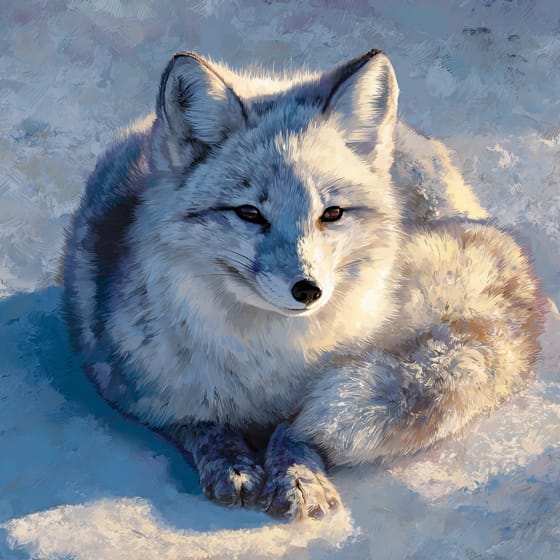
Vulpes lagopus
Preys on eggs and chicks.
Stercorarius parasiticus
Predator of plovers and their young.
Lumbricus terrestris
A primary food source.
Artemia salina
Consumes small crustaceans.
Feathered describes animals, primarily birds, possessing a covering of feathers.
Marked with spots or patches of a different color.
Aerial creatures spend a significant portion of their lives airborne, utilizing flight for various activities such as hunting, migration, or nesting.
This trait identifies organisms whose diet primarily consists of insects and other small invertebrates.

Coastal habitats are dynamic environments located along the interface between land and sea, influenced by tides, waves, and saltwater.

Diurnal animals are primarily active during daylight hours, typically resting or sleeping at night.

This trait identifies organisms that exhibit exceptional swiftness in movement for hunting, escape, or travel.

Migratory animals undertake seasonal movements from one region to another, typically in response to changes in climate or food availability.
No aliases listed yet.
Danger
1/5 · Very low
Always watch birds from a distance and don't try to catch them.
The easiest way to identify Pacific Golden Plover is to use the Snappit nature identifier app.
23-26 cm
46-53 cm
0.12-0.19 kg
10-15 years
80 km/h
These birds mostly eat tiny insects and other small creatures found in the soil and shallow water.
Coastal areas
Zoom in to split clusters and explore where this object has been snapped.

Hawaii, US
You might spot Brown Anole, Gold Dust Day Gecko, and Red-Crested Cardinal.
View guide →

Hawaii, US
You might spot Red-Crested Cardinal and Zebra Dove.
View guide →

Hawaii, US
You might spot Red-Crested Cardinal and Zebra Dove.
View guide →

Hawaii, US
You might spot Red-Crested Cardinal and Zebra Dove.
View guide →

Hawaii, US
You might spot Spotted Dove, Zebra Dove, and Java Sparrow.
View guide →
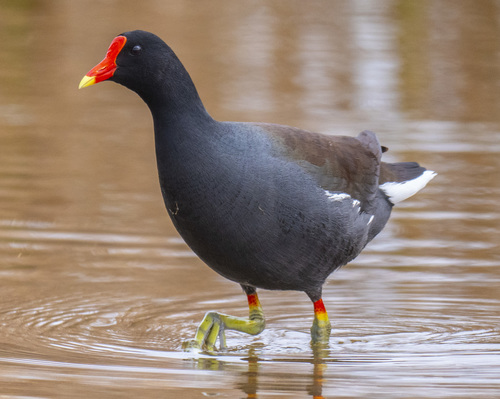
Hawaii, US
You might spot Common Gallinule and Red-Crested Cardinal.
View guide →
Take the discovery with you
Snap it with Snappit to identify it, learn what makes it special, and add the discovery to your collection.




.jpg&width=800)








