





Pacific White-sided Dolphin
Sagmatias obliquidens
The Pacific White-sided Dolphin is a playful and friendly marine mammal. They love to jump and spin in the water, making them fun to watch!
Habitat: Coastal areas
The Pacific White-sided Dolphin has a sleek, torpedo-shaped body with a dark grey or black back and a bright white belly. Its sides feature a distinctive light gray stripe that sweeps up towards its dorsal fin, making it easily identifiable.
Category
MammalsRarity
Common
Danger
1/5 · Very low
Snaps
1
Pacific White-sided Dolphins communicate using whistles, clicks, and even squeals!
Their unique body pattern acts like camouflage, breaking up their outline in the water!
These dolphins can dive over 300 feet deep to catch their favorite snacks!
They often 'porpoise,' leaping completely out of the water while swimming!
Pacific White-sided Dolphins have a powerful tail fluke that helps them swim incredibly fast and leap high out of the water.
Pacific White-sided Dolphins can surf ocean waves and bow-ride boats because of their agile bodies and playful nature.
Pacific White-sided Dolphins can hunt and communicate in huge groups because of their complex social behaviors and vocalizations.
These speedy dolphins love to feast on small fish, squid, and octopus found in the ocean.
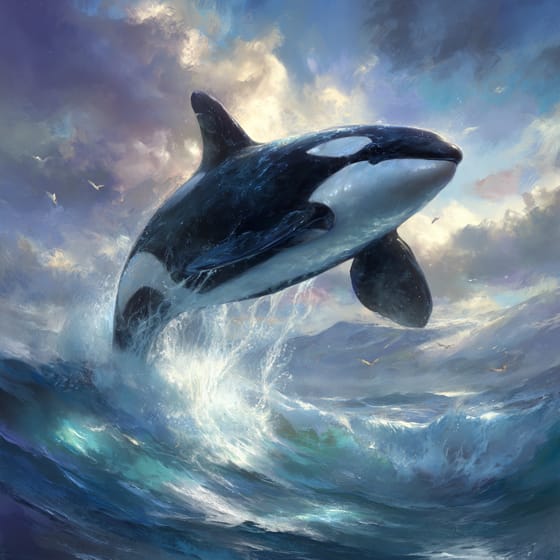
Orcinus orca
Sometimes preyed upon, especially juveniles.
Merluccius productus
One of their primary fish prey species.
Engraulis mordax
A favorite small schooling fish to catch.
Doryteuthis opalescens
Often hunts these squid during night dives.
Marked with spots or patches of a different color.
Social animals live in organized groups, cooperating for survival benefits such as foraging, defense, and raising offspring.
Colorful describes organisms or objects displaying a wide range of bright and distinct colors.
Echolocation is a biological sonar used by animals to navigate, hunt, and communicate by emitting sound waves and interpreting the echoes.

Coastal habitats are dynamic environments located along the interface between land and sea, influenced by tides, waves, and saltwater.

This trait identifies organisms whose diet consists entirely or primarily of animal tissue.

Describes a species whose presence and role have a disproportionately large effect on its environment.

This trait identifies organisms that exhibit exceptional swiftness in movement for hunting, escape, or travel.

Marine habitats encompass all saltwater environments of the Earth's oceans, supporting an immense diversity of aquatic life.

Migratory animals undertake seasonal movements from one region to another, typically in response to changes in climate or food availability.
No aliases listed yet.
Danger
1/5 · Very low
Always stay at a safe distance from dolphins when you see them in the wild.
The easiest way to identify Pacific White-sided Dolphin is to use the Snappit nature identifier app.
170-250 cm
80-200 kg
30-40 years
48 km/h
These speedy dolphins love to feast on small fish, squid, and octopus found in the ocean.
Coastal areas
Pursuit
Zoom in to split clusters and explore where this object has been snapped.

Illinois, US
You might spot Beluga Whale, Pacific White-Sided Dolphin, and Sea Otter.
View guide →
Illinois, US
You might spot Beluga Whale, Pacific White-Sided Dolphin, and Sea Otter.
View guide →

Washington, US
You might spot Mule Deer, Harlequin Duck, and Pacific Trillium.
View guide →
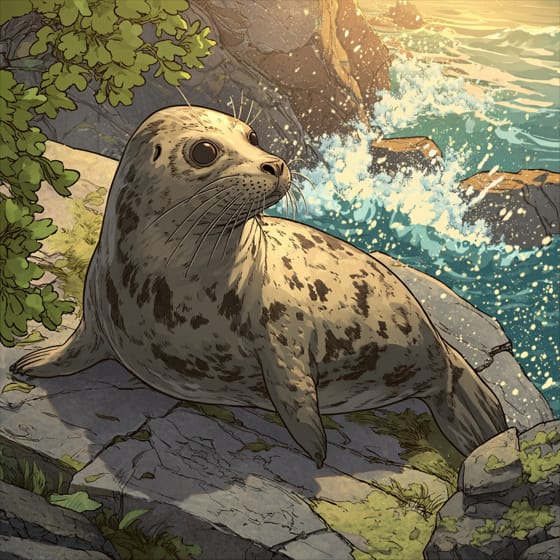
British Columbia, CA
You might spot Harbor Seal, Bald Eagle, and Osprey.
View guide →

Texas, US
You might spot Orca, Beluga Whale, and Bottlenose Dolphin.
View guide →

British Columbia, CA
You might spot Salal, Evergreen Huckleberry, and Douglas Fir.
View guide →
Take the discovery with you
Snap it with Snappit to identify it, learn what makes it special, and add the discovery to your collection.




.jpg&width=800)




.JPG&width=800)



.jpg&width=800)
