





painted leaf
Euphorbia cyathophora
The painted leaf is a colorful plant with bright red and green leaves. It loves to soak up the sun and can often be found in gardens and sunny spots.
Habitat: Urban areas
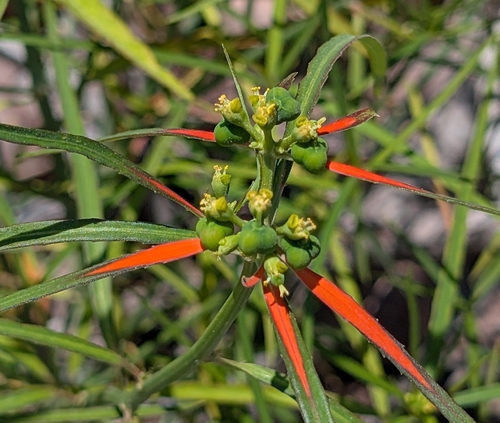
The painted leaf has vibrant green leaves, but its upper leaves, called bracts, turn striking shades of red, orange, or yellow near the inconspicuous true flowers. These colorful bracts are what give the plant its 'painted' appearance, making it visually distinct from other leafy green plants.
Category
PlantsRarity
Common
Danger
2/5 · Low
Snaps
3
It's closely related to the famous poinsettia, both having colorful bracts.
Its milky sap, though irritating, is chemically similar to rubber!
Some cultures traditionally use its distinctive sap for various purposes.
The plant's vibrant "flowers" are actually modified leaves, not true petals!
Painted leaf has bright bracts that look like flowers, attracting insects to pollinate its small, true blossoms.
Painted leaf produces a milky sap when broken, helping it defend against hungry animals.
Painted leaf produces many seeds that easily self-sow, helping it spread widely and quickly.
Apis mellifera
Collects nectar and pollen
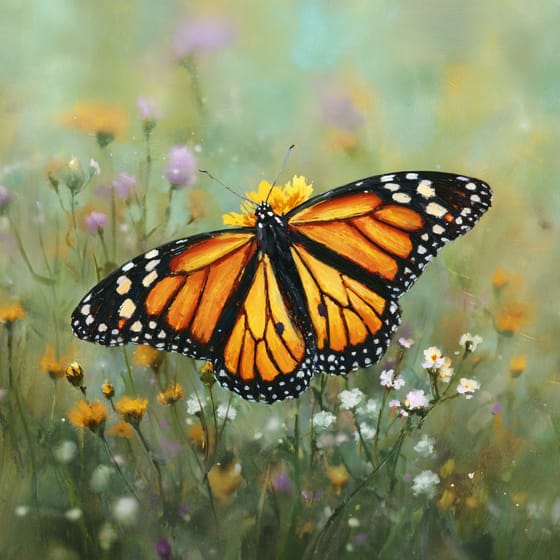
Danaus plexippus
Visits colorful bracts for nectar
Spodoptera exigua
Larvae may feed on leaves
Deciduous plants periodically shed all their leaves, typically during autumn or dry seasons.
Flowering plants are any plants that produce flowers as part of their reproductive cycle.
A shrub is a woody plant smaller than a tree, typically with multiple stems branching from or near the ground.
Drought-tolerant plants can survive and flourish in conditions with limited water availability.

Colorful describes organisms or objects displaying a wide range of bright and distinct colors.

Describes plants that are particularly attractive and beneficial to a wide range of pollinating organisms.

Rapid growing plants exhibit accelerated growth rates, quickly increasing in size and biomass within a short period.

This habitat trait indicates species that can coexist with humans in urban and suburban environments, utilizing man-made structures and green spaces.
No aliases listed yet.
Danger
2/5 · Low
Always wash your hands after touching plants, just to be safe!
The easiest way to identify painted leaf is to use the Snappit nature identifier app.
30-90 cm
20-50 cm
Late spring to fall
No
Mild
Annual
Insect
Zoom in to split clusters and explore where this object has been snapped.
Jun 7, 2026
Palma Sola Botanical ParkPhoto attribution
no rights reserved
License: CC0 1.0 ↗
Image may be shown cropped inside the card frame.

US
You might spot Double-Crested Cormorant, Sea Grape, and Great Blue Heron.
View guide →

Florida, US
You might spot Brown Anole, Osprey, and White Ibis.
View guide →
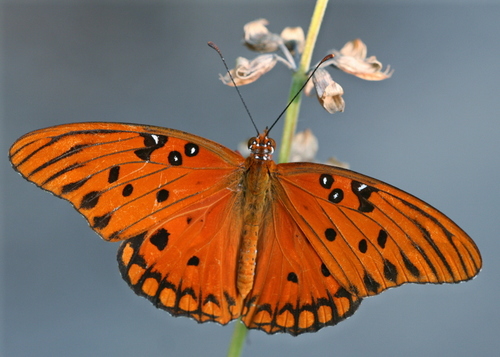
Texas, US
You might spot Gulf Fritillary, Lyreleaf Sage, and Western Ratsnake.
View guide →
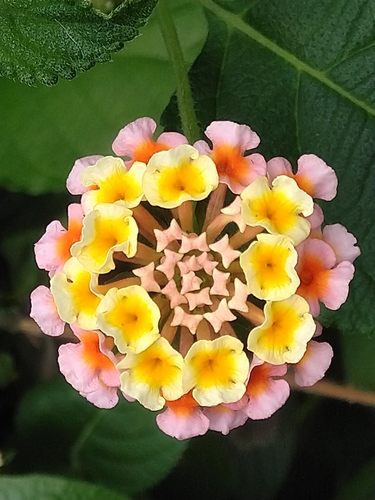
Florida, US
You might spot Lantanas, Water Pennyworts, and Common Purslane.
View guide →
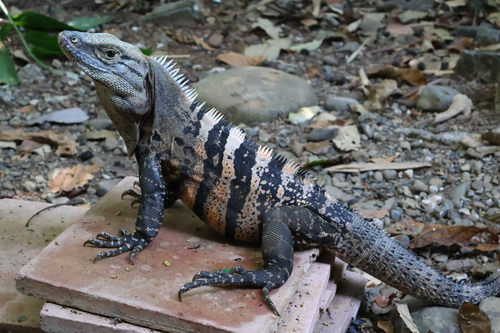
Florida, US
You might spot Black Spiny-Tailed Iguana, Brown Anole, and Sea Grape.
View guide →
Florida, US
You might spot Common Asparagus Fern, Great Egret, and Baldcypress.
View guide →
Take the discovery with you
Snap it with Snappit to identify it, learn what makes it special, and add the discovery to your collection.







.jpg&width=800)



_001.jpg&width=800)




