



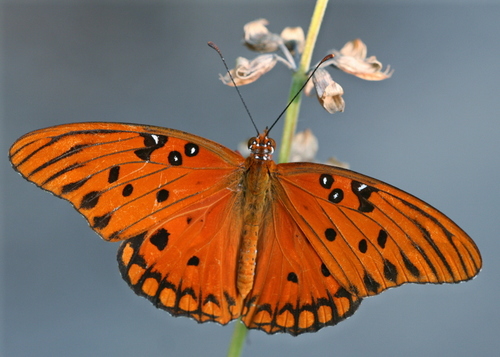
Gaillardia
The John Fairey Garden is a horticultural gem showcasing rare plants and unique design.
The John Fairey Garden is a horticultural gem showcasing rare plants and unique design. Located an hour northwest of Houston, this 39-acre botanical garden and arboretum is internationally acclaimed for its originality, diverse collections, and conservation efforts. It features over 3,000 plants, many rare and endangered, collected from Mexico, Asia, and the United States. The garden's artistic landscape design, characterized by an aesthetic use of pea gravel, steel hardscaping, and architectural elements like the distinctive Colonial Blue Wall, reflects the founder's vision as an artist and professor.
Visitors can explore extensive collections including over 60 species of oak, with many rare Mexican varieties. The garden is also home to significant collections of "woody lilies" such as agaves, yuccas, dasylirions, and nolinas, celebrated for their sculptural forms and drought tolerance. Highlights include unique species like *Agave ferdinandi-regis* and *Yucca rostrata*, as well as woodland gardens with camellias, azaleas, and magnolias, and a striking Circle of Giant Palms. Beyond plants, the garden features an international-caliber collection of Mexican folk art, complementing the sculptural quality of its plantings.
This extraordinary garden offers a serene and inspiring experience for plant enthusiasts and art lovers alike. It's a place for contemplation, appreciating the careful balance of nature and design, and discovering rare flora uniquely adapted to the Texas climate. The dynamic interplay of light and shadow throughout the day, a key aspect of Fairey's design, ensures a memorable visit where new details emerge with every turn, inviting deeper engagement with this living work of art. Unlock an interactive field guide for this spot: get the Snappit app to identify nature on the go.
The John Fairey Garden was established in 1971 by John Fairey, an architecture professor at Texas A&M University, who initially purchased seven acres near Hempstead. Originally known as Peckerwood Garden, the site reminded Fairey of "magical places" from his South Carolina youth, inspiring him to cultivate a unique horticultural vision. A transformative event occurred in 1983 when a tornado destroyed the property's mature tree canopy, leading Fairey to explore new planting directions and introduce drought-tolerant plants, particularly from Mexico and Asia. Fairey undertook over 100 plant expeditions to Mexico, often with botanist Carl Schoenfeld, to collect rare and endangered species suitable for the Texas climate. This extensive collection formed the core of the garden's unique botanical diversity. In 1998, with the assistance of the Garden Conservancy, the garden transitioned from a private endeavor to a public institution with the formation of the Peckerwood Garden Conservation Foundation. Following John Fairey's passing in 2020, the garden was renamed The John Fairey Garden in his honor, continuing his legacy of horticulture, art, and conservation.
Engage in a docent-guided tour to learn about the specific plant collections and the artistic design principles that shaped the garden. Take time to appreciate the unique blend of horticulture and art, including the Mexican folk art collection displayed in the gallery. Photography is highly encouraged.
The garden is closed from mid-June to September 1st. South Texas can be very warm for much of the year, and especially hot between June and September. Seasonal events include the "Budding Out Plant Sale" in spring and a "Trunk Show tree sale" in the autumn.
The John Fairey Garden is unfortunately not wheelchair accessible. Its paths contain numerous steps and roots, and the restrooms are not ADA compliant, making them unsuitable for walkers, wheelchairs, and strollers.
Don't miss the impressive collections of Mexican oaks, the sculptural agaves and yuccas, especially in the dry garden areas, and the vibrant ginger blooms (in season). The architectural elements like the Colonial Blue Wall and the Footbridge for John are also significant features.
Each card links to a full Explore page with photos, traits, and fun facts.
Start with the big picture, then zoom in to explore individual wildlife observations around this place.
Wear comfortable footwear
** The garden paths are natural and can be uneven with steps and roots, so sturdy, comfortable shoes are essential.
Prepare for the weather
South Texas can be very warm. Bring water, wear sunscreen, and a hat, especially during warmer months or if sensitive to sun exposure.
Arrive early for tours
For docent-guided tours, plan to arrive at least 10 minutes before the scheduled start time to allow for sign-in.
Photography is welcome
Capture the beauty of the garden! If sharing on social media, consider using the hashtag #jfgarden.
Respect the plants
While you can smell flowers and gently touch leaves or bark, please refrain from breaking leaves, snapping stems, or picking seeds to help preserve the collections.
Check the schedule in advance
Non-members require docent-led tours and cannot independently explore the garden, so confirm "Open Days" and tour availability before your visit.
May 21, 2026
May 21, 2026
May 15, 2026
May 15, 2026
May 13, 2026

Maryland, US
You might spot White-Tailed Deer and Eastern Gray Squirrel.
View guide →
.jpg)
District of Columbia, US
You might spot Eastern Gray Squirrel, Duck, and House Sparrow.
View guide →

Illinois, US
You might spot American Robin, Canada Goose, and House Sparrow.
View guide →

Virginia, US
You might spot Spotted Lanternfly and Northern Cardinal.
View guide →
Take the discovery with you
Identify the wildlife you spot, learn as you go, and keep a collection of the adventure.