





Panthera pardus orientalis
Panthera pardus orientalis
The Amur leopard is a beautiful big cat with a thick coat and stunning spots. It lives in the forests of the Russian Far East and is very good at climbing trees!
Habitat: Forests
The Panthera pardus orientalis has a thick, creamy-yellow coat adorned with widely spaced, dark rosettes, unique to each individual. Its long, dense fur is perfectly adapted for the harsh, snowy winters, appearing paler during colder months.
Category
MammalsRarity
Rare
Danger
5/5 · Extreme
Snaps
Be the first to snap!
Amur leopards are mostly solitary, meeting only to mate and raise cubs.
An Amur leopard can drag prey three times its own weight up into a tree!
Their rosette patterns are like fingerprints; no two leopards are exactly alike!
They communicate using growls, hisses, and even a unique raspy 'sawing' sound.
Panthera pardus orientalis has extra-long, thick fur that helps them stay warm even in freezing, snowy environments.
Panthera pardus orientalis can blend perfectly into its forest surroundings because of its spotted coat, making it nearly invisible.
Panthera pardus orientalis can reach speeds of 60 km/h, which helps them quickly catch agile prey like deer.
Panthera pardus orientalis can quickly climb trees, which helps them escape danger and stash their prey safely.
A meat-eater, hunting deer, wild boar, and other small mammals in its forest home.
Capreolus pygargus
a primary food source in its natural habitat.

Cervus nippon
provides essential nutrition for the leopard's survival.
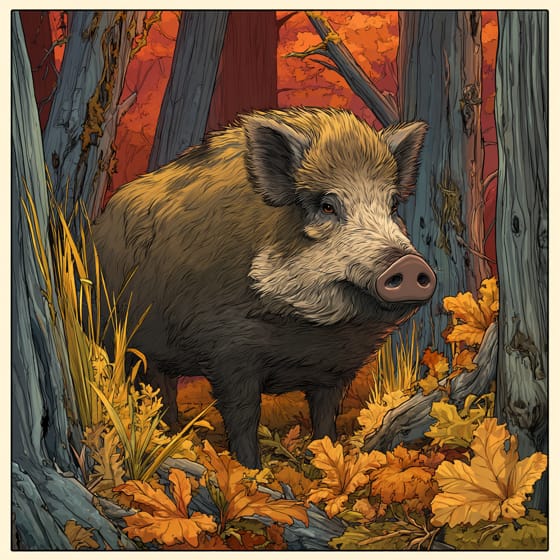
Sus scrofa
a significant prey animal, especially for larger leopards.
Furry describes animals possessing a dense covering of soft hair or fur.
Marked with spots or patches of a different color.
Solitary animals live alone for most of their lives, only interacting with others for mating or parental care.
Arboreal animals live primarily in trees, utilizing them for shelter, food, and protection from predators.

An ambush predator hunts by patiently waiting and concealing itself, then launching a sudden attack when unsuspecting prey comes within range.

Forest habitats are terrestrial environments dominated by dense tree cover, supporting a high diversity of plant and animal life.

This trait identifies organisms whose diet consists entirely or primarily of animal tissue.

Describes a species whose presence and role have a disproportionately large effect on its environment.

This trait identifies organisms that exhibit exceptional swiftness in movement for hunting, escape, or travel.

Endangered status indicates a species is at a very high risk of extinction in the wild in the near future.
Danger
5/5 · Extreme
Amur leopards are wild animals and should be admired from a safe distance.
The easiest way to identify Panthera pardus orientalis is to use the Snappit nature identifier app.
107-136 cm
25-48 kg
10-15 years
60 km/h
A meat-eater, hunting deer, wild boar, and other small mammals in its forest home.
Forests
Ambush
Zoom in to split clusters and explore where this object has been snapped.
Recent snaps will appear here as new observations are added.
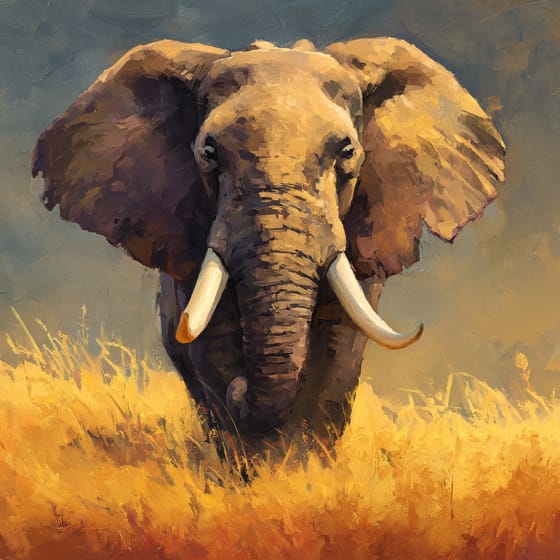
England, UK
You might spot African Elephant, Bornean Orangutan, and Tiger.
View guide →

Indiana, US
You might spot Panthera Pardus Orientalis and Reticulated Giraffe.
View guide →
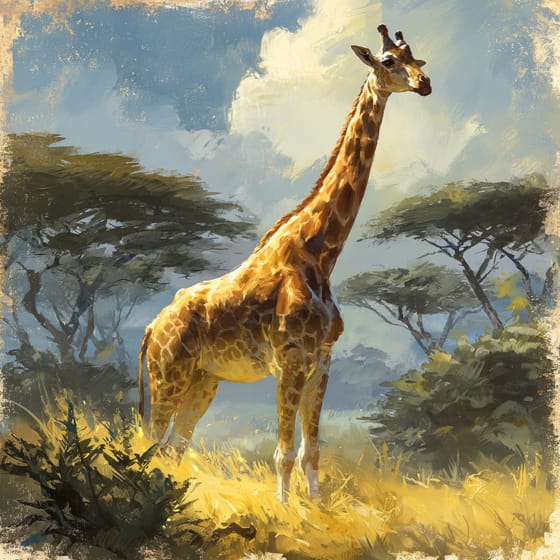
Indiana, US
You might spot Giraffes, African Lion, and Southern White Rhinoceros.
View guide →
Kansas, US
You might spot Panthera Pardus Orientalis, Snow Leopard, and African Lion.
View guide →
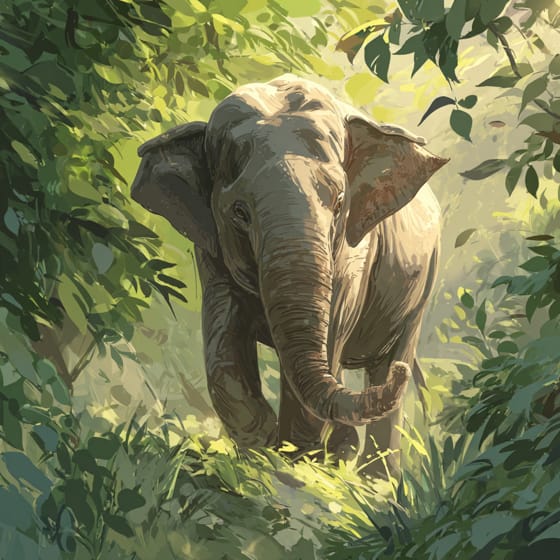
New York, US
You might spot Asian Elephant, Humboldt Penguin, and Tiger.
View guide →

California, US
You might spot Giant Panda, African Penguin, and Koala.
View guide →
Take the discovery with you
Snap it with Snappit to identify it, learn what makes it special, and add the discovery to your collection.




.jpg&width=800)



.JPG&width=800)



.jpg&width=800)
