





Philadelphia fleabane
Erigeron philadelphicus
Philadelphia fleabane is a cheerful little flower that blooms in spring and summer. It has white petals and a bright yellow center, making it look like a tiny sun in the garden!
Habitat: Urban areas
The Philadelphia fleabane has numerous small, daisy-like flowers with many fine white to pinkish-purple ray petals surrounding a yellow center. Its branched stems are often hairy, topped by these delicate blooms that create a soft, airy appearance.
Category
PlantsRarity
Common
Danger
1/5 · Very low
Snaps
38
Despite its name, fleabane does not repel fleas; that's just an old myth!
It belongs to the huge daisy family, Astereae, alongside sunflowers!
Its scientific name means 'early old man,' inspired by its fluffy, aged seeds.
Native Americans once used this plant for making traditional medicines.
Philadelphia fleabane can grow in many different soil types, allowing it to thrive in diverse environments.
Philadelphia fleabane produces many tiny seeds with fluffy parachutes, allowing them to float on the wind.
Apis mellifera
Gathers nectar and pollen
Bombus impatiens
Key pollinator in its range
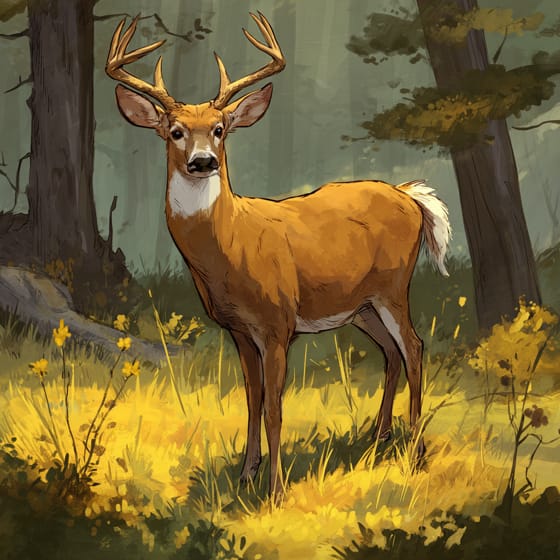
Odocoileus virginianus
Deer browse on its leaves and stems
.JPG&width=800)
Sylvilagus floridanus
Rabbits feed on young plants
Flowering plants are any plants that produce flowers as part of their reproductive cycle.
Spring blooming plants produce their flowers during the spring season, often signifying the end of winter and the start of new growth.
Summer blooming plants produce their flowers during the summer season, often providing vibrant color when many other plants have finished.
Fragrant flowers emit a pleasant aroma, often to attract pollinators or for defense.

Edible plants are those parts of a plant that are considered safe for human consumption.

Describes plants that are particularly attractive and beneficial to a wide range of pollinating organisms.

This habitat trait indicates species that can coexist with humans in urban and suburban environments, utilizing man-made structures and green spaces.
No aliases listed yet.
Danger
1/5 · Very low
It's safe to look at and smell flowers, but don't eat them unless an adult says it's okay!
The easiest way to identify Philadelphia fleabane is to use the Snappit nature identifier app.
30-90 cm
20-60 cm
1-2.5 cm
Late spring to late summer
Yes
None
Perennial
Zoom in to split clusters and explore where this object has been snapped.

Michigan, US
You might spot Monarch, Canada Goose, and Eastern Gray Squirrel.
View guide →

Michigan, US
You might spot Monarch, Canada Goose, and Eastern Gray Squirrel.
View guide →

Michigan, US
You might spot Monarch, Canada Goose, and Eastern Gray Squirrel.
View guide →

Michigan, US
You might spot Monarch, Canada Goose, and Eastern Gray Squirrel.
View guide →

Michigan, US
You might spot Monarch, Canada Goose, and Eastern Gray Squirrel.
View guide →
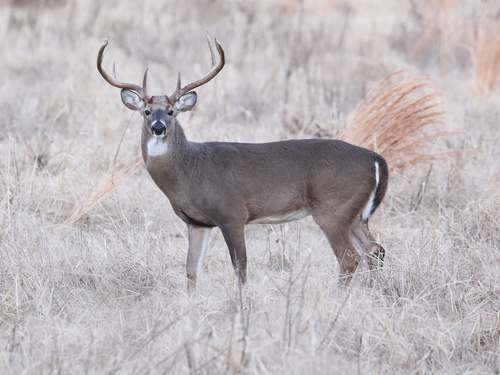
Pennsylvania, US
You might spot White-Tailed Deer, Eastern Skunk Cabbage, and Canada Goose.
View guide →
Take the discovery with you
Snap it with Snappit to identify it, learn what makes it special, and add the discovery to your collection.








.jpg&width=800)


_001.jpg&width=800)



