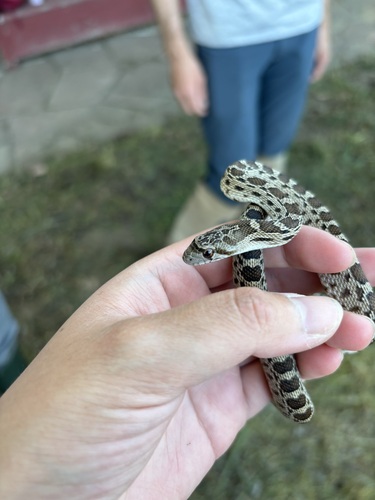
Pituophis catenifer annectens
Pituophis catenifer annectens
The Great Plains Gopher Snake is a long, slender snake that can be yellow or brown with dark spots. They are great at blending in with their surroundings and love to sunbathe on warm rocks.
Habitat: Grasslands
The Pituophis catenifer annectens is a large, slender snake with a base color ranging from cream to tan, heavily marked with distinct dark brown or black blotches down its back. These blotches often have lighter centers and are bordered by reddish-brown or orange coloration, especially on the sides.
Category
ReptilesRarity
Common
Danger
2/5 · Low
Snaps
25
It can flatten its head to look like a dangerous venomous snake.
They are amazing climbers, often found high up in shrubs and small trees!
This snake helps farmers by eating pesky gophers and rodents!
Watch out, it will vibrate its tail in dry leaves to sound like a rattle!
Pituophis catenifer annectens can powerfully constrict its prey because of its strong body muscles that help them squeeze animals.
Pituophis catenifer annectens can mimic a rattlesnake by hissing loudly and vibrating its tail because of this bluff that helps them scare away predators.
Pituophis catenifer annectens has a pointed snout that helps them dig into soft soil and gopher tunnels to hunt prey.
These carnivores eat rodents, birds, and sometimes eggs, helping to control pest populations!

Neotoma fuscipes
Major prey source in its habitat.
.jpg&width=800)
Microtus californicus
Common prey, especially in grassy areas.
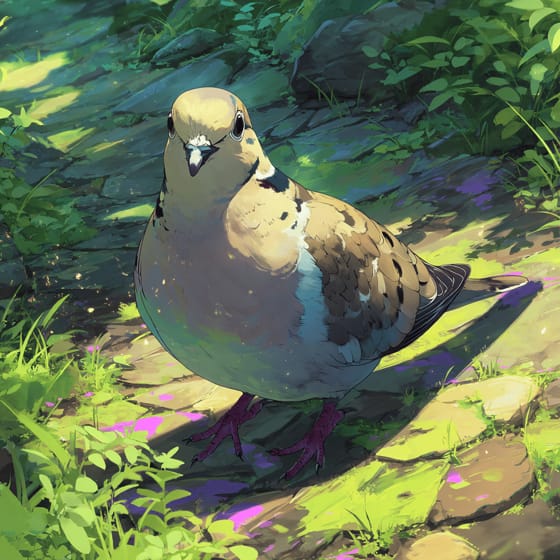
Zenaida macroura
Preys on adult birds and their eggs.
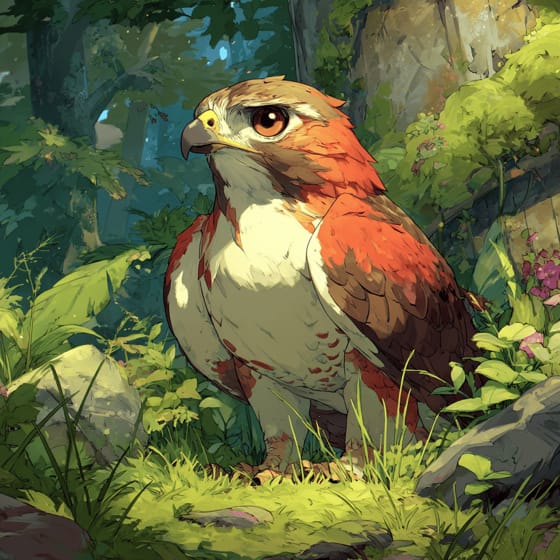
Buteo jamaicensis
A significant avian predator.

Canis latrans
Opportunistic predator of snakes.
Marked with spots or patches of a different color.
Solitary animals live alone for most of their lives, only interacting with others for mating or parental care.
Camouflaged describes organisms that possess coloring or patterns that allow them to blend into their environment.
Grassland habitats are terrestrial biomes dominated by grasses and herbaceous plants, supporting a variety of grazing animals.

An ambush predator hunts by patiently waiting and concealing itself, then launching a sudden attack when unsuspecting prey comes within range.

This trait identifies organisms whose diet consists entirely or primarily of animal tissue.

Diurnal animals are primarily active during daylight hours, typically resting or sleeping at night.
No aliases listed yet.
Danger
2/5 · Low
If you see a snake, it's best to keep a safe distance and watch it from afar.
The easiest way to identify Pituophis catenifer annectens is to use the Snappit nature identifier app.
90-180 cm
0.5-2.5 kg
10-15 years
8 km/h
These carnivores eat rodents, birds, and sometimes eggs, helping to control pest populations!
Grasslands
Ambush
Zoom in to split clusters and explore where this object has been snapped.
Mar 15, 2026
San Joaquin Experimental RangePhoto attribution
(c) Nina S. Zhao, some rights reserved (CC BY)
License: CC BY 4.0 ↗
Image may be shown cropped inside the card frame.
Jun 7, 2026

California, US
You might spot Western Fence Lizard and California Brittlebush.
View guide →

California, US
You might spot Warrior's Plume and Purple Owl's-Clover.
View guide →

California, US
You might spot White Globe Lily, Rose Campion, and Pipevine Swallowtail.
View guide →

Oregon, US
You might spot Oregon Oak, Pacific Poison Oak, and American Bullfrog.
View guide →

California, US
You might spot Western Fence Lizard, Duck, and Canada Goose.
View guide →

California, US
You might spot Gray Pine, Gambel Oak, and Caterpillar Scorpionweed.
View guide →
Take the discovery with you
Snap it with Snappit to identify it, learn what makes it special, and add the discovery to your collection.