





Polydamas Swallowtail
Battus polydamas
The Polydamas Swallowtail is a beautiful butterfly with striking black and yellow patterns. It flutters gracefully in gardens and forests, bringing joy to everyone who sees it.
Habitat: Forests
The Polydamas Swallowtail has deep black wings with no 'tails', a unique feature for a swallowtail. Each wing is edged with a bright, iridescent yellow-green band of spots that glow in the sunlight.
Category
InsectsRarity
Common
Danger
1/5 · Very low
Snaps
5
Its caterpillars are spiky and colorful, not shy about showing off!
The pupa, or chrysalis, looks like a dead leaf, a master of disguise!
They lay tiny, round, yellow eggs, often in neat clusters.
This butterfly helps flowers make seeds by carrying pollen.
Polydamas Swallowtail has bright warning colors that help them tell predators 'Don't eat me, I taste bad!'
Polydamas Swallowtail can store toxins from the plants they eat as caterpillars, making them poisonous to predators.
Polydamas Swallowtail can taste flowers and leaves with special sensors on their feet to find the perfect meal.
Caterpillars eat toxic leaves, while adult butterflies sip sweet flower nectar.
Age differences: Larvae eat the leaves of specific toxic plants, while adults drink nectar from various flowers.
Aristolochia elegans
Caterpillars exclusively eat the leaves of this plant.
.jpg&width=800)
Sitta carolinensis
Birds may try to eat the adult butterflies.
.jpg&width=800)
Lantana camara
Adults visit Lantana flowers, helping them reproduce.
Misumena vatia
Flower crab spiders ambush adult butterflies on flowers.
Marked with parallel bands or lines of color.
Colorful describes organisms or objects displaying a wide range of bright and distinct colors.
This trait characterizes organisms whose diet consists entirely or primarily of plant material.
Describes plants that are particularly attractive and beneficial to a wide range of pollinating organisms.

Forest habitats are terrestrial environments dominated by dense tree cover, supporting a high diversity of plant and animal life.

This trait characterizes organisms with an exceptionally long lifespan compared to others of their kind.

Diurnal animals are primarily active during daylight hours, typically resting or sleeping at night.

Describes organisms that transfer pollen, enabling the fertilization and reproduction of plants.
No aliases listed yet.
Danger
1/5 · Very low
Always watch butterflies from a distance and don't try to catch them.
The easiest way to identify Polydamas Swallowtail is to use the Snappit nature identifier app.
80-110 mm
30-40 mm
10-30 days
15 km/h
Caterpillars eat toxic leaves, while adult butterflies sip sweet flower nectar.
Forests
Foraging
Zoom in to split clusters and explore where this object has been snapped.

Florida, US
You might spot Crested Anole, Brown Anole, and Peters's Rock Agama.
View guide →

Florida, US
You might spot Brown Anole and Northern Curly-Tailed Lizard.
View guide →

US
You might spot Brown Anole, Peters's Rock Agama, and Red Mangrove.
View guide →
Florida, US
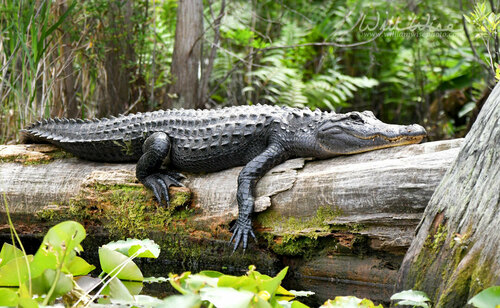
You might spot American Alligator, Common Gallinule, and Brown Anole.
View guide →

Florida, US
You might spot Crested Anole, Brown Anole, and Green Iguana.
View guide →

Florida, US
You might spot Crested Anole, Brown Anole, and Green Iguana.
View guide →
Take the discovery with you
Snap it with Snappit to identify it, learn what makes it special, and add the discovery to your collection.







.jpg&width=800)


