.jpg&width=800)





prairie alumroot
Heuchera richardsonii
Prairie alumroot is a lovely plant with pretty leaves and tiny flowers. It grows in sunny places and is great for attracting butterflies and bees!
Habitat: Grasslands
The prairie alumroot has a rosette of round, lobed leaves often mottled with purple, rising from the base. Delicate, greenish-cream to pinkish bell-shaped flowers bloom on tall, slender stalks. Its unique appearance makes it stand out against prairie grasses.
Category
PlantsRarity
Common
Danger
1/5 · Very low
Snaps
4
Even in winter, its green leaves can peek out from under the snow!
Its strong roots were used as traditional medicine to help heal cuts and scrapes!
Its tiny flowers attract hungry bees with sweet nectar, a tasty prairie treat!
The 'alum' in its name comes from how its roots make your mouth pucker, like a sour candy!
Prairie alumroot has long taproots that help it find deep water, surviving dry prairie summers and tough conditions.
Its roots contain special chemicals (tannins) that were traditionally used to stop bleeding and reduce swelling.
This plant's leaves can stay green all winter, helping it capture early spring sunlight before other plants grow.
Apis mellifera
Gathers nectar and pollen
Bombus impatiens
Visits flowers for nectar
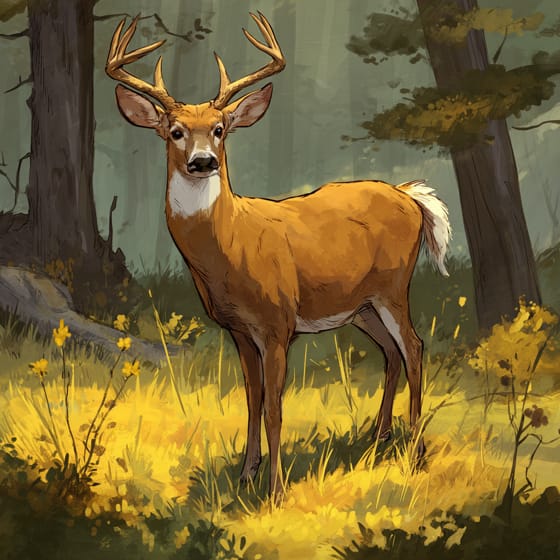
Odocoileus virginianus
Occasionally browse foliage
Deciduous plants periodically shed all their leaves, typically during autumn or dry seasons.
Flowering plants are any plants that produce flowers as part of their reproductive cycle.
Spring blooming plants produce their flowers during the spring season, often signifying the end of winter and the start of new growth.
Drought-tolerant plants can survive and flourish in conditions with limited water availability.

Colorful describes organisms or objects displaying a wide range of bright and distinct colors.

Grassland habitats are terrestrial biomes dominated by grasses and herbaceous plants, supporting a variety of grazing animals.

Describes plants that are particularly attractive and beneficial to a wide range of pollinating organisms.
No aliases listed yet.
Danger
1/5 · Very low
Always look but don't touch plants unless you know they're safe.
The easiest way to identify prairie alumroot is to use the Snappit nature identifier app.
30-60 cm
30-45 cm
0.3-0.6 cm
Late spring to early summer
Yes
None
Perennial
Zoom in to split clusters and explore where this object has been snapped.

Illinois, US
You might spot Viceroy, Common Wood-Nymph, and Acadian Hairstreak.
View guide →

Illinois, US
You might spot American Robin, Monarch, and Duck.
View guide →

South Dakota, US
You might spot Brittle Pricklypear and Eastern Redcedar.
View guide →

Minnesota, US
You might spot Hairy Puccoon, Lanceleaf Figwort, and Ohio Spiderwort.
View guide →
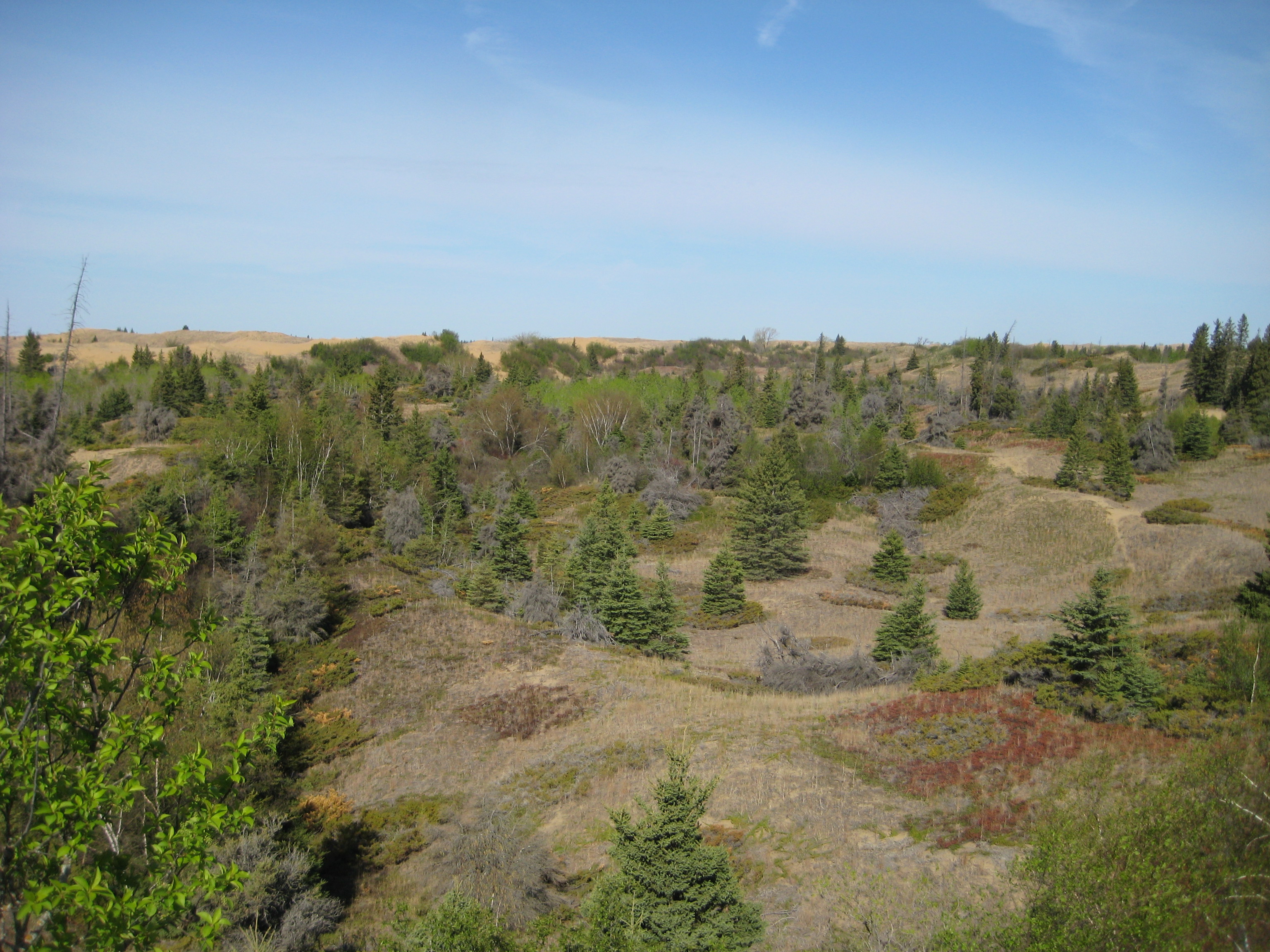
Manitoba, CA
You might spot Prairie Skink, Smooth Greensnake, and Admiral Butterfly.
View guide →
Take the discovery with you
Snap it with Snappit to identify it, learn what makes it special, and add the discovery to your collection.







.jpg&width=800)



_001.jpg&width=800)




