





Loggerhead Shrike
Lanius ludovicianus
The Loggerhead Shrike is a small bird with a big personality! It has a striking gray and white body and a black mask around its eyes. This bird is known for its unique hunting style, catching insects and small animals.
Habitat: Grasslands
The Loggerhead Shrike is a small, gray bird with a white belly and a distinctive black mask across its eyes. It has a relatively large head and a strong, hooked beak, making it look like a tiny raptor.
Category
BirdsRarity
Common
Danger
2/5 · Low
Snaps
7
Despite being songbirds, they hunt like small raptors, diving on unsuspecting prey.
Sometimes, they "fake out" prey by missing on purpose, only to catch them moments later!
They have a special "tooth" on their beak to help tear apart tough prey!
They use the sharp ends of barbed wire fences just like thorns to store food.
Loggerhead Shrikes can impale prey on thorns because of their strong, hooked beak that helps them store food for later.
Loggerhead Shrikes can imitate calls of other birds because of specialized vocal cords that help them trick and attract prey.
Loggerhead Shrikes have excellent eyesight that helps them spot tiny prey from high perches, like a tiny hawk.
They eat mostly insects, but also small animals impaled on thorns for later snacks!
Microtus pennsylvanicus
A common small mammal prey item
Schistocerca americana
A primary insect food source
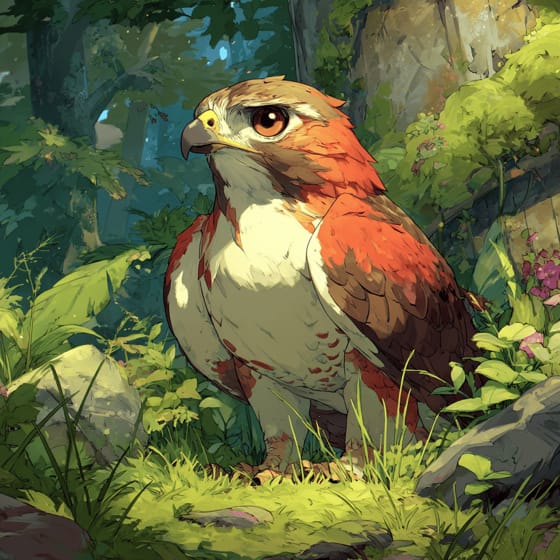
Buteo jamaicensis
A raptor that preys on adult shrikes

Prosopis glandulosa
Thorny bush used for nesting and food storage
Feathered describes animals, primarily birds, possessing a covering of feathers.
Solitary animals live alone for most of their lives, only interacting with others for mating or parental care.
Singing animals produce complex vocalizations, often for purposes of attracting mates, defending territory, or communicating within their species.
Grassland habitats are terrestrial biomes dominated by grasses and herbaceous plants, supporting a variety of grazing animals.

This trait identifies organisms whose diet primarily consists of insects and other small invertebrates.

An ambush predator hunts by patiently waiting and concealing itself, then launching a sudden attack when unsuspecting prey comes within range.

This trait identifies organisms whose diet consists entirely or primarily of animal tissue.

Diurnal animals are primarily active during daylight hours, typically resting or sleeping at night.

Describes a species whose presence and role have a disproportionately large effect on its environment.
Danger
2/5 · Low
Enjoy watching birds from a distance and never try to touch or catch them.
The easiest way to identify Loggerhead Shrike is to use the Snappit nature identifier app.
20-24 cm
30-33 cm
0.035-0.05 kg
2-5 years
45 km/h
They eat mostly insects, but also small animals impaled on thorns for later snacks!
Grasslands
Zoom in to split clusters and explore where this object has been snapped.

US
You might spot Pond Slider, Black-Bellied Whistling-Duck, and Brown Anole.
View guide →

Oregon, US
You might spot Belding's Ground Squirrel and Yellow-Headed Blackbird.
View guide →

California, US
You might spot Sand Blazingstar, Red Rock Tarplant, and Lacy Phacelia.
View guide →

Nebraska, US
You might spot Monarch, Black Swallowtail, and European Mantis.
View guide →

California, US
You might spot Creosote Bush, Brittlebush, and Beavertail Pricklypear.
View guide →

US
You might spot Mexican Palo Verde, Ocotillo, and Giant Reed.
View guide →
Take the discovery with you
Snap it with Snappit to identify it, learn what makes it special, and add the discovery to your collection.




.jpg&width=800)







