





Prairie Rose
rosa arkansana
The Prairie Rose is a beautiful flower that blooms in vibrant pink colors! Kids love to see how its petals open up in the sunlight and attract buzzing bees.
Habitat: Prairie fields and meadows across North America
The Prairie Rose has simple, five-petaled flowers, typically bright to pale pink, with a prominent yellow center. Its stems are often covered in sharp thorns, and it grows in a bushy form, creating a visually distinct pop of color in open landscapes.
Category
PlantsRarity
Common
Danger
0/5 · No known danger
Snaps
1
Bumblebees sometimes take naps right inside its cozy pink flowers!
Its fruit, called rose hips, are packed with more Vitamin C than oranges!
Some birds rely on its thorny branches for safe nesting spots!
This tough plant can regrow quickly even after prairie fires!
Prairie Rose has sharp thorns that help it defend against hungry animals trying to eat its leaves and stems.
Prairie Rose can grow deep roots that help it find water far underground, surviving dry prairie conditions.
Prairie Rose has bright pink petals and a sweet scent that help it attract busy bees and butterflies to pollinate its flowers.
Apis mellifera
Gathers nectar and pollen from its flowers.
Bombus impatiens
Visits flowers to collect nectar and pollen.
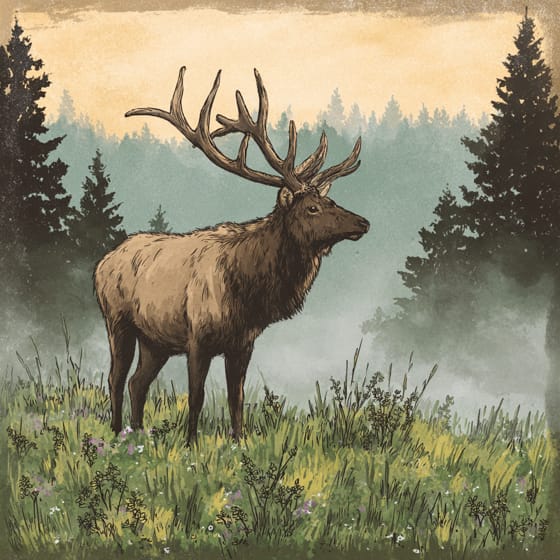
Cervus canadensis
Browses on the tender leaves and stems.
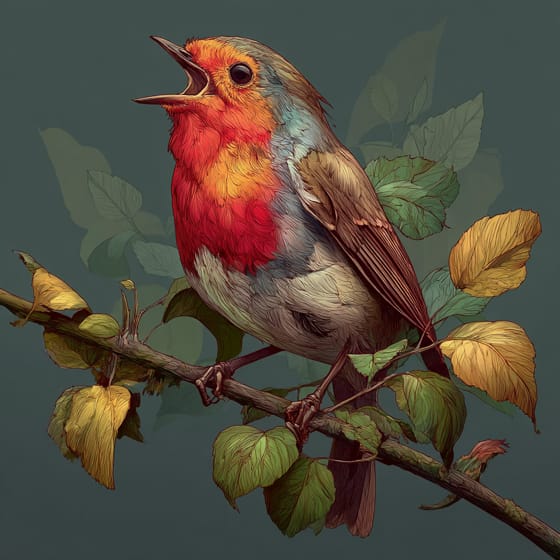
Turdus migratorius
Feeds on the vitamin-rich rose hips.
Solitary animals live alone for most of their lives, only interacting with others for mating or parental care.
Colorful describes organisms or objects displaying a wide range of bright and distinct colors.
Grassland habitats are terrestrial biomes dominated by grasses and herbaceous plants, supporting a variety of grazing animals.
Diurnal animals are primarily active during daylight hours, typically resting or sleeping at night.

Describes organisms that transfer pollen, enabling the fertilization and reproduction of plants.
Danger
0/5 · No known danger
No special safety notes yet.
The easiest way to identify Prairie Rose is to use the Snappit nature identifier app.
30-90 cm
30-60 cm
3-6 cm
Late spring to mid-summer
Yes
None
Perennial
Zoom in to split clusters and explore where this object has been snapped.

Wisconsin, US
You might spot Green Comet Milkweed, Wood Lily, and Flowering Spurge.
View guide →
South Dakota, US
You might spot Bighorn Sheep and Narrow-Leaved Purple Coneflower.
View guide →
Take the discovery with you
Snap it with Snappit to identify it, learn what makes it special, and add the discovery to your collection.









.jpg&width=800)



_001.jpg&width=800)




