Procambarus
procambarus
Procambarus, also known as crayfish, are fascinating little creatures that live in freshwater. They are great at hiding under rocks and plants, making them perfect for kids to spot during nature walks!
Habitat: Freshwater bodies like lakes, streams, and ponds.
The Procambarus has a hard, segmented exoskeleton that is usually reddish-brown, olive, or sometimes bluish. It possesses two large, prominent claws and multiple walking legs, resembling a miniature lobster. Its long, jointed tail aids in quick backward movements.
Category
InvertebrateRarity
Common
Danger
1/5 · Very low
Snaps
Be the first to snap!
Crayfish can taste things with tiny sensors found on their legs and antennae!
Crayfish often dig complex burrows that can be several feet deep to stay safe.
Some crayfish species are nocturnal, meaning they are most active searching for food at night.
They breathe using feathery gills, just like fish do, to get oxygen from the water!
Procambarus can regrow lost claws or legs because they have specialized cells that help rebuild body parts after injury.
Procambarus sheds its hard outer shell (exoskeleton) to grow bigger, leaving a soft new one underneath.
Procambarus can dig intricate tunnels in mud because their strong claws and legs are adapted for excavation.
Omnivorous scavengers, crayfish eat almost anything they find, from plants to small critters.
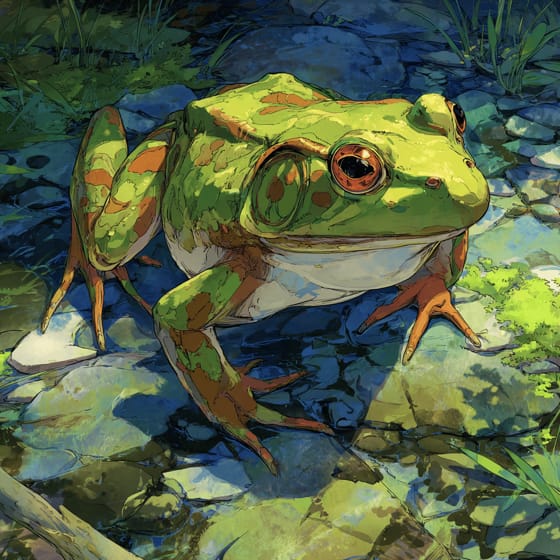
Rana catesbeiana
Bullfrogs often prey on crayfish in their habitat.
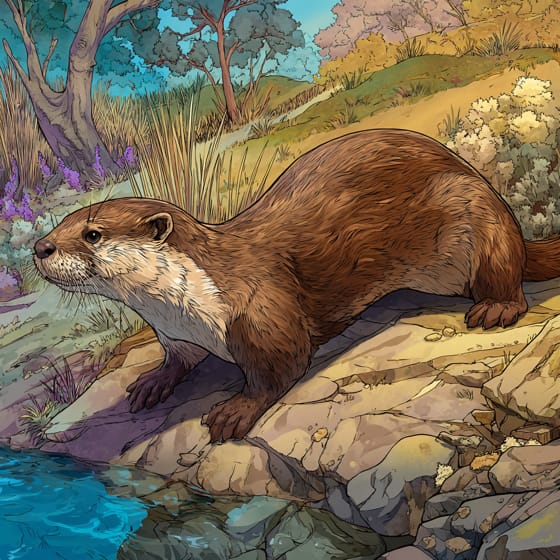
Lutra canadensis
River otters frequently hunt and consume crayfish.
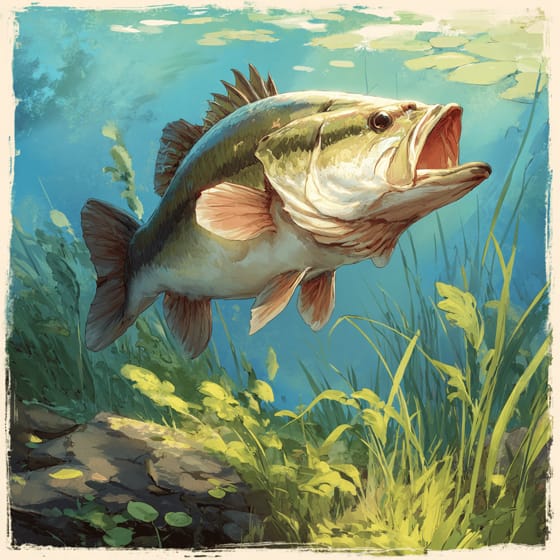
Micropterus salmoides
Largemouth bass frequently consume crayfish.
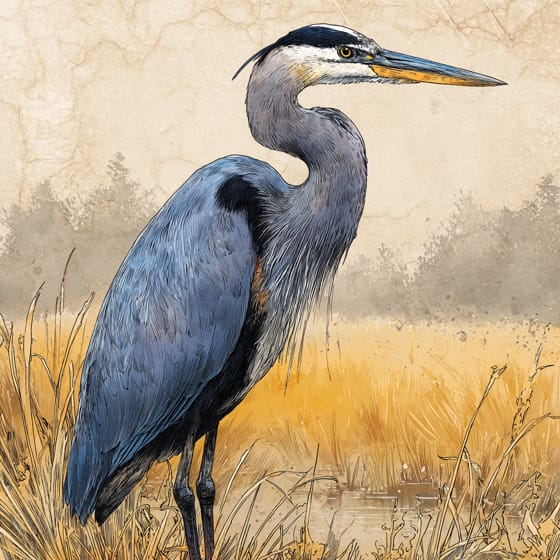
Ardea herodias
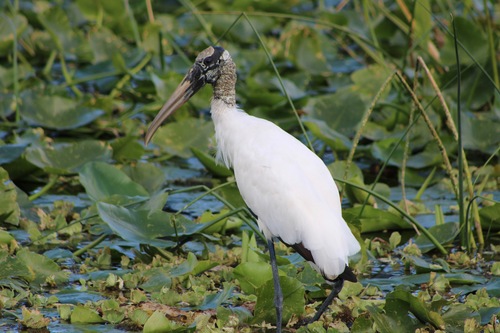
Great Blue Herons hunt crayfish in shallow waters.
Solitary animals live alone for most of their lives, only interacting with others for mating or parental care.
Colorful describes organisms or objects displaying a wide range of bright and distinct colors.
This trait identifies organisms whose diet consists entirely or primarily of animal tissue.
Freshwater habitats include non-saline aquatic environments such as rivers, lakes, ponds, and wetlands, vital for numerous species.

Aquatic habitats encompass environments where organisms live predominantly in water, including oceans, rivers, lakes, and wetlands.
Danger
1/5 · Very low
No special safety notes yet.
The easiest way to identify Procambarus is to use the Snappit nature identifier app.
5-15
10-100
1-5
Omnivorous scavengers, crayfish eat almost anything they find, from plants to small critters.
Freshwater bodies like lakes, streams, and ponds.
Foraging
Zoom in to split clusters and explore where this object has been snapped.
Recent snaps will appear here as new observations are added.
Take the discovery with you
Snap it with Snappit to identify it, learn what makes it special, and add the discovery to your collection.