


Purple-Stemmed Angelica
angelica atropurpurea
Purple-Stemmed Angelica (Angelica atropurpurea) is a magnificent, robust perennial or biennial wildflower native to the wetlands of eastern and central North America. Towering over surrounding vegetation, this impressive member of the parsley family is celebrated for its structural beauty and ecological importance. It serves as an essential nectar source for numerous native pollinators and holds a historic place in traditional herbal remedies. Known for its distinct, celery-like fragrance and striking dark-purple stalks, this plant flourishes in habitats where many others would drown, making it a true champion of wet woodlands and open fens. Its dramatic form, featuring giant, spherical flower heads, makes it a highly sought-after sight for plant enthusiasts and nature spotters alike.
Habitat: Found in wet meadows, fens, marshes, swamps, and along riverbanks with rich, saturated, organic soils.
This plant is easily identified by its extremely thick, smooth, completely hairless, hollow stems that range from deep purple to dark violet. It typically grows between 100 to 250 centimeters tall. The leaves are large, compound, and divided into numerous oval leaflets with finely toothed edges. The bases of the leaf stems clasp the main purple stem in a broad, inflated sheath. At the top of the stalks, it produces large, globe-shaped umbels measuring 10 to 20 centimeters across, packed with dozens of tiny, greenish-white to pale yellow flowers that bloom in early summer.
Category
PlantsRarity
Common
Danger
1/5 · Very low
Snaps
7
Native American tribes historically used the sweet, licorice-scented roots of this plant to make a therapeutic tea, and early colonists candied the young stalks as confections.
The genus name Angelica is derived from the Latin word for angel, referencing a legend that an angel revealed the plant's medicinal properties as a cure for the plague.
Unlike the highly toxic Water Hemlock which has spotted stems and air chambers inside, Purple-Stemmed Angelica has a solid stem at the nodes and is entirely smooth.
The thick, hollow stem provides structural strength to grow taller than competing vegetation while keeping the plant lightweight and flexible in wind.
Produces furanocoumarins and other essential oils in its tissues to defend against generalist insect herbivores and fungal pathogens.
Produces corky, winged seeds that float easily on water currents, facilitating upstream and downstream colonization along riverbanks and floodplains.
As a photosynthetic autotroph, it produces its own energy using sunlight, carbon dioxide, and water while absorbing key mineral nutrients from saturated marsh soils.
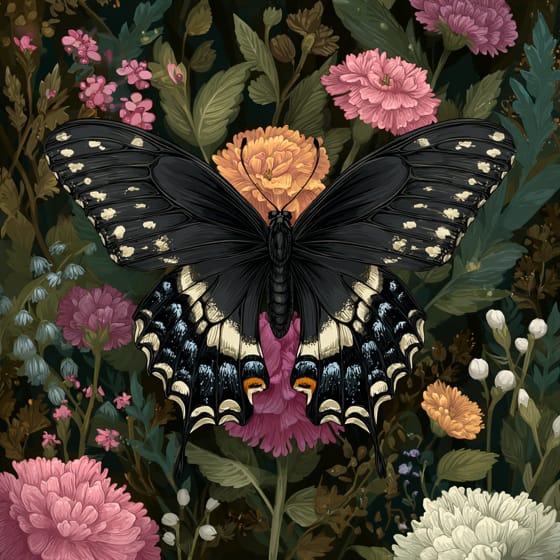
Papilio polyxenes
The caterpillar stage of this butterfly feeds on the leaves as an obligate host plant.
Apis mellifera
Bees visit the massive spherical umbels to gather nectar and pollen, aiding in pollination.
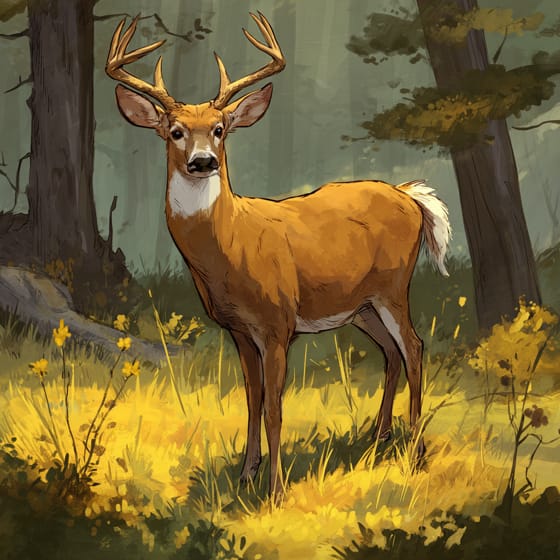
Odocoileus virginianus
Browses the tender young foliage of the plant in early spring before chemical defenses fully concentrate.
No trait badges are assigned for this object yet.
No aliases listed yet.
Collections for this object will appear here as more themes are added.
Danger
1/5 · Very low
No special safety notes yet.
The easiest way to identify Purple-Stemmed Angelica is to use the Snappit nature identifier app.
100-250 cm
2-5 years
As a photosynthetic autotroph, it produces its own energy using sunlight, carbon dioxide, and water while absorbing key mineral nutrients from saturated marsh soils.
Found in wet meadows, fens, marshes, swamps, and along riverbanks with rich, saturated, organic soils.
Photosynthesis
Zoom in to split clusters and explore where this object has been snapped.

Massachusetts, US
You might spot Maidenhair Spleenwort and Red Trillium.
View guide →

Wisconsin, US
You might spot Turkey, White-Tailed Deer, and Dame's Rocket.
View guide →

Massachusetts, US
You might spot Hemlock Woolly Adelgid, Eastern Newt, and Red Trillium.
View guide →

Pennsylvania, US
You might spot Solomon's Plume, Moonseed, and Virginia Waterleaf.
View guide →

Pennsylvania, US
You might spot Purple-Stemmed Angelica and Lesser Celandine.
View guide →

Wisconsin, US
You might spot Eastern Skunk Cabbage, Sharp-Lobed Hepatica, and Snakewort.
View guide →
Take the discovery with you
Snap it with Snappit to identify it, learn what makes it special, and add the discovery to your collection.











.jpg&width=800)



_001.jpg&width=800)




