.jpg&width=800)





Queen
Danaus gilippus
The Queen butterfly is a beautiful insect with orange and black wings. It loves to flutter around flowers and is often seen in gardens and parks.
Habitat: Urban areas
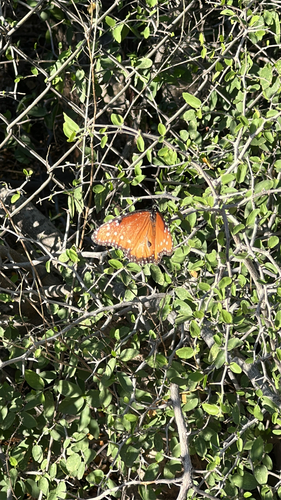
The Queen has rich reddish-brown wings with black veins and a distinctive border of black and white spots. Its body is dark with small white spots. Unlike similar species, its hindwings lack the bold black band with white spots found on Monarch butterflies.
Category
InsectsRarity
Common
Danger
1/5 · Very low
Snaps
43
A male Queen butterfly has special "hair pencils" to attract a mate.
Queen caterpillars munch on toxic milkweed, but it makes them poisonous!
They perform an amazing migration, traveling hundreds of miles!
They use their long proboscis like a straw to sip sweet nectar.
Queen can store toxins from milkweed plants because of its caterpillar diet, making them unappetizing to predators.
Queen males have special scent scales that release pheromones because it helps them attract females for mating.
Queen butterflies can look very similar to Monarchs because this helps confuse predators who avoid the toxic Monarch.
Adult Queens sip nectar from flowers, while caterpillars feast on milkweed leaves.
Age differences: Caterpillars eat milkweed leaves, while adult butterflies drink flower nectar.

Asclepias syriaca
Caterpillars exclusively feed on milkweed leaves for growth and defense.
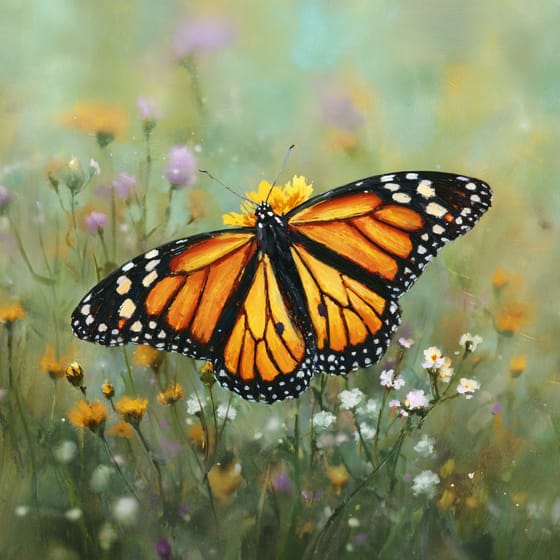
Danaus plexippus
Looks similar to the Monarch, benefiting from its toxicity to predators.
Apis mellifera
Shares nectar sources and contributes to general pollination efforts in habitats.
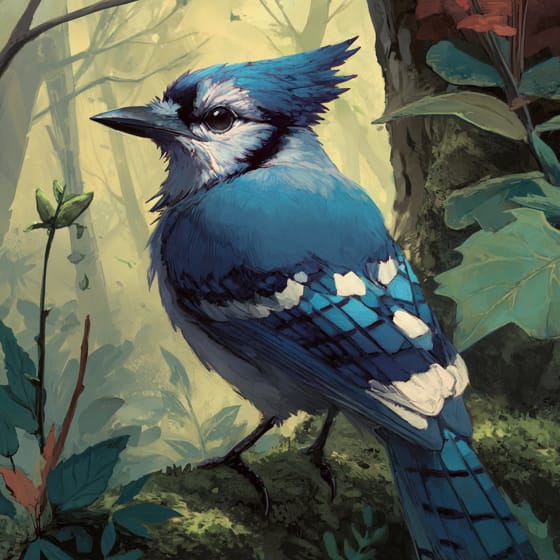
Cyanocitta cristata
Predators, though the butterfly's toxicity often deters them after a first taste.
Marked with parallel bands or lines of color.
Colorful describes organisms or objects displaying a wide range of bright and distinct colors.
This trait characterizes organisms whose diet consists entirely or primarily of plant material.
Describes plants that are particularly attractive and beneficial to a wide range of pollinating organisms.

Diurnal animals are primarily active during daylight hours, typically resting or sleeping at night.

Migratory animals undertake seasonal movements from one region to another, typically in response to changes in climate or food availability.

This habitat trait indicates species that can coexist with humans in urban and suburban environments, utilizing man-made structures and green spaces.

Describes organisms that transfer pollen, enabling the fertilization and reproduction of plants.
Danger
1/5 · Very low
Always watch butterflies from a distance and don't try to catch them.
The easiest way to identify Queen is to use the Snappit nature identifier app.
70-100 mm
20-35 mm
14-60 days
15 km/h
Adult Queens sip nectar from flowers, while caterpillars feast on milkweed leaves.
Urban areas
Foraging
Zoom in to split clusters and explore where this object has been snapped.
May 25, 2026
DeGrazia Gallery in the Sun Historic DistrictPhoto attribution
(c) luminous, some rights reserved (CC BY)
License: CC BY 4.0 ↗
Image may be shown cropped inside the card frame.

Texas, US
You might spot Anole, Monarch, and Pinkladies.
View guide →

Arizona, US
You might spot Northern Cardinal, Engelmann's Hedgehog Cactus, and Queen.
View guide →

Arizona, US
You might spot Great-Tailed Grackle, Stinknet, and Northern Mockingbird.
View guide →

New Mexico, US
You might spot White-Winged Dove and Silverleaf Nightshade.
View guide →

New Mexico, US
You might spot Duck, Greater Roadrunner, and American Robin.
View guide →

New Mexico, US
You might spot Vermilion Flycatcher, Turkey, and American Rubyspot.
View guide →
Take the discovery with you
Snap it with Snappit to identify it, learn what makes it special, and add the discovery to your collection.







.jpg&width=800)



