_(14592249977).jpg&width=800)





red bush monkeyflower
Diplacus puniceus
The red bush monkeyflower is a bright and cheerful flower that loves to grow in sunny places. Its vibrant red color attracts many curious insects and makes gardens look beautiful.
Habitat: Coastal areas
The red bush monkeyflower has brilliant, trumpet-shaped red flowers often blotched with orange, giving them a velvety look. Its sticky, oblong green leaves grow opposite each other on woody stems, standing out on dry hillsides.
Category
PlantsRarity
Common
Danger
1/5 · Very low
Snaps
1
Its 'monkeyface' flowers appear to grin, named for their fun, puckered shape!
Some monkeyflowers can change flower color depending on the specific minerals in the soil!
The sticky resin on its leaves helps protect it from hungry insects and water loss.
This tough plant can live for many years, even in harsh, rocky environments.
The red bush monkeyflower can survive very dry conditions, thanks to its deep root system that finds precious water underground.
This resilient plant can quickly resprout from its root crown after wildfires, helping nature recover faster.
Its bright red, tubular flowers are perfectly shaped to attract hummingbirds, which helps it spread its pollen.

Calypte anna
drinks nectar from its tubular flowers
.jpg&width=800)
Selasphorus sasin
sips nectar and carries its pollen
Bombus vosnesenskii
collects pollen from its bright blooms
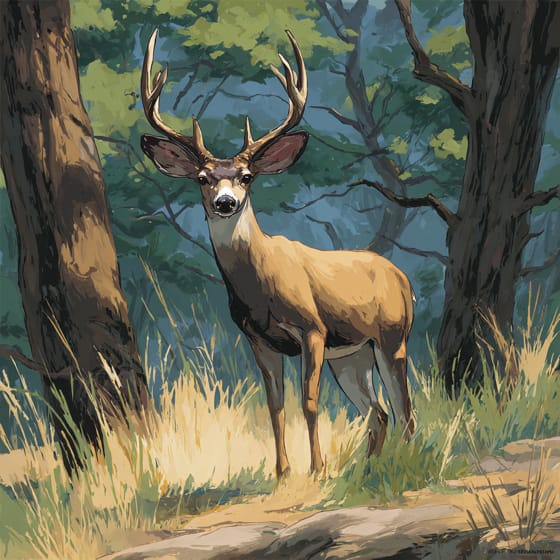
Odocoileus hemionus
browses on its leaves and shoots
Flowering plants are any plants that produce flowers as part of their reproductive cycle.
A shrub is a woody plant smaller than a tree, typically with multiple stems branching from or near the ground.
Summer blooming plants produce their flowers during the summer season, often providing vibrant color when many other plants have finished.
Fragrant flowers emit a pleasant aroma, often to attract pollinators or for defense.

Drought-tolerant plants can survive and flourish in conditions with limited water availability.

Colorful describes organisms or objects displaying a wide range of bright and distinct colors.

Describes plants that are particularly attractive and beneficial to a wide range of pollinating organisms.

Coastal habitats are dynamic environments located along the interface between land and sea, influenced by tides, waves, and saltwater.
No aliases listed yet.
Danger
1/5 · Very low
Always look but don't touch flowers without asking an adult first.
The easiest way to identify red bush monkeyflower is to use the Snappit nature identifier app.
30-120 cm
60-90 cm
2.5-5 cm
Spring, Summer
No
None
Perennial
Zoom in to split clusters and explore where this object has been snapped.
Take the discovery with you
Snap it with Snappit to identify it, learn what makes it special, and add the discovery to your collection.









.jpg&width=800)


_001.jpg&width=800)




