.jpg&width=800)





Reddish Ephestiodes Moth
Ephestiodes infimella
The Reddish Ephestiodes Moth is a small, colorful moth with reddish-brown wings. It flutters around at night, bringing a little magic to the dark with its beautiful patterns.
Habitat: Forests
The Reddish Ephestiodes Moth is a small moth characterized by its warm reddish-brown forewings, which may display faint darker bands or streaks. Its hindwings are notably paler, often a translucent greyish-white, creating a subtle contrast. This coloration helps it blend into natural bark or dry leaves.
Category
InsectsRarity
Common
Danger
1/5 · Very low
Snaps
Be the first to snap!
Adult moths might not even eat anything at all!
Its caterpillars spin silky webs as they munch on leaves!
Some scientists study this moth to understand insect diets better!
Wow, its wings can feel tiny vibrations in the air!
Reddish Ephestiodes Moth has forewings colored like bark or dried leaves that helps them hide from hungry predators during the day.
Reddish Ephestiodes Moth can fly mostly at night because their antennae are excellent at detecting scents in the dark.
Reddish Ephestiodes Moth larvae can feed on several different types of plants because this helps them find food in varied habitats.
Tiny caterpillars munch on leaves, while adult moths might sip nectar or not eat at all.
Age differences: Larvae eat plant leaves, but adult moths primarily focus on reproduction and may not feed at all.
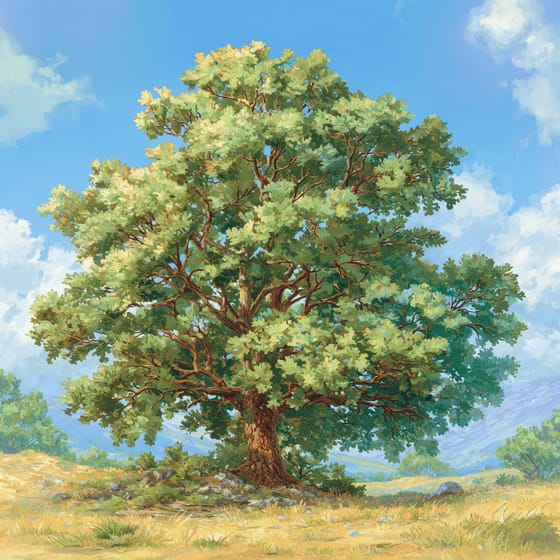
Quercus alba
Larvae munch on its leaves, providing a food source for growth.
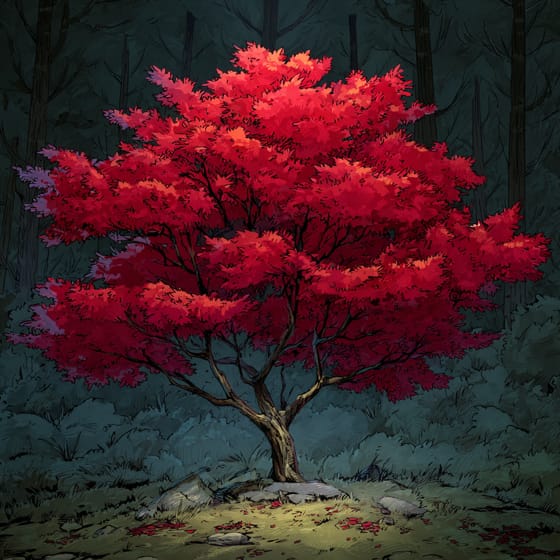
Acer rubrum
Its caterpillars also feed on the tender leaves of red maple.
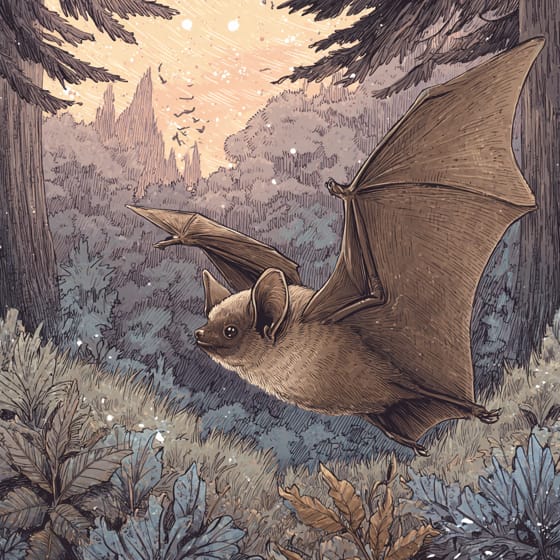
Myotis lucifugus
These bats hunt flying moths under the cover of darkness.
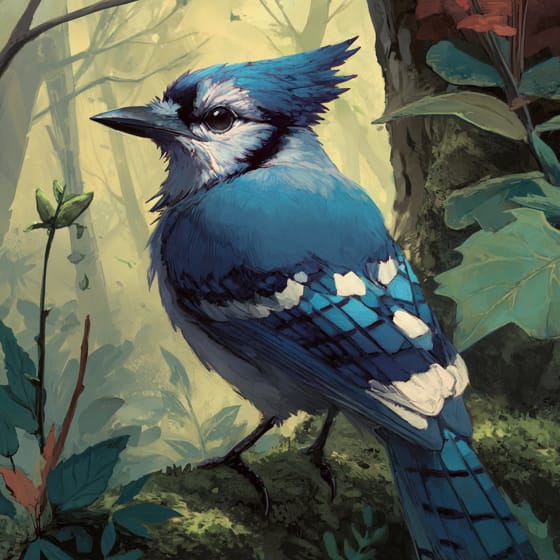
Cyanocitta cristata
Opportunistic birds like jays may spot and eat resting moths.
Solitary animals live alone for most of their lives, only interacting with others for mating or parental care.
Camouflaged describes organisms that possess coloring or patterns that allow them to blend into their environment.
Colorful describes organisms or objects displaying a wide range of bright and distinct colors.
This trait characterizes organisms whose diet consists entirely or primarily of plant material.

Describes plants that are particularly attractive and beneficial to a wide range of pollinating organisms.

Forest habitats are terrestrial environments dominated by dense tree cover, supporting a high diversity of plant and animal life.

Nocturnal animals are primarily active during the nighttime hours, typically resting or sleeping during the day.

Describes organisms that transfer pollen, enabling the fertilization and reproduction of plants.
No aliases listed yet.
Danger
1/5 · Very low
Moths are usually harmless, but it's best to watch them from a distance.
The easiest way to identify Reddish Ephestiodes Moth is to use the Snappit nature identifier app.
12-18 mm
7-10 mm
7-28 days
Tiny caterpillars munch on leaves, while adult moths might sip nectar or not eat at all.
Forests
Foraging
6
Zoom in to split clusters and explore where this object has been snapped.
Recent snaps will appear here as new observations are added.
Take the discovery with you
Snap it with Snappit to identify it, learn what makes it special, and add the discovery to your collection.








.jpg&width=800)


