





Redwood Violet
Viola sempervirens
The Redwood Violet is a beautiful flower that grows in shady places. Its lovely purple petals can brighten up the forest floor and attract butterflies and bees.
Habitat: Forests
The Redwood Violet has small, heart-shaped dark green leaves and delicate purple flowers with a contrasting white or yellow center. Its vibrant blossoms often appear in clumps, providing a splash of color against the dark forest floor.
Category
PlantsRarity
Common
Danger
1/5 · Very low
Snaps
1
Its edible leaves and flowers can be added to salads for a pop of color!
Sometimes, ants will collect and 'plant' the seeds in their underground nests!
This flower's scientific name 'sempervirens' means 'evergreen', just like redwood trees!
You can find these tiny purple gems growing only in ancient redwood forests!
Redwood Violet has tough, evergreen leaves that let it photosynthesize all year, even in the deep shade of giant redwoods.
Redwood Violet can launch its tiny seeds from exploding capsules, helping them spread far from the parent plant.
Redwood Violet has seeds with a tasty treat for ants, which then carry and disperse them to new spots.
Sequoia sempervirens
Provides the specific cool, shady habitat it needs.
Bombus melanopygus
Feeds on its nectar and helps move pollen.
_(6276931016).jpg&width=800)
Speyeria zerene
Its caterpillars feed on violet leaves.
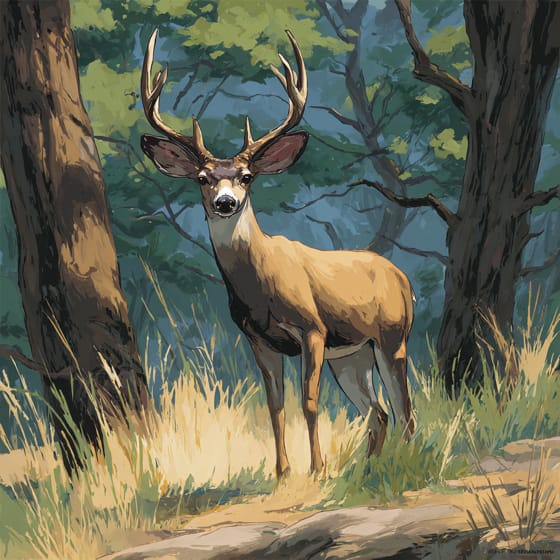
Odocoileus hemionus
Browses on its leaves and flowers.
Flowering plants are any plants that produce flowers as part of their reproductive cycle.
Shade tolerant plants are adapted to grow and thrive in areas with low light levels, requiring less direct sunlight.
Spring blooming plants produce their flowers during the spring season, often signifying the end of winter and the start of new growth.
Fragrant flowers emit a pleasant aroma, often to attract pollinators or for defense.

Medicinal plants possess chemical compounds that can be used for therapeutic purposes to treat illnesses or maintain health.

Colorful describes organisms or objects displaying a wide range of bright and distinct colors.

Describes plants that are particularly attractive and beneficial to a wide range of pollinating organisms.

Forest habitats are terrestrial environments dominated by dense tree cover, supporting a high diversity of plant and animal life.

Endangered status indicates a species is at a very high risk of extinction in the wild in the near future.
No aliases listed yet.
Danger
1/5 · Very low
Always look but don't pick flowers, so they can keep growing for everyone to enjoy.
The easiest way to identify Redwood Violet is to use the Snappit nature identifier app.
5-15 cm
10-20 cm
1-2 cm
Spring to early summer
Yes
None
Perennial
Zoom in to split clusters and explore where this object has been snapped.

Washington, US
You might spot Barrow's Goldeneye and Pacific Banana Slug.
View guide →

British Columbia, CA
You might spot Western Skunk Cabbage, Western Sword Fern, and Fly Agaric.
View guide →
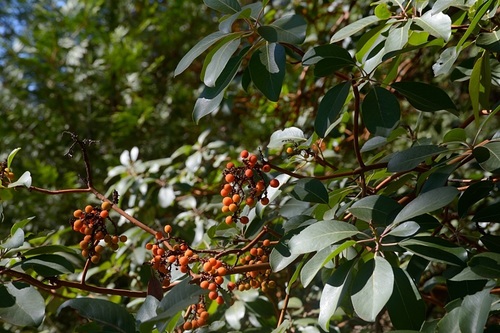
British Columbia, CA
You might spot Pacific Madrone and Western Rattlesnake Plantain.
View guide →
Take the discovery with you
Snap it with Snappit to identify it, learn what makes it special, and add the discovery to your collection.







.jpg&width=800)


_001.jpg&width=800)



