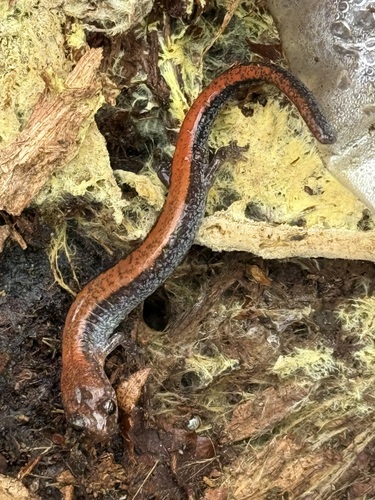

Eastern Newt

Step back in time at the South Windham Village Historic District, a beautifully preserved rural village in southern Windham, Vermont.
Step back in time at the South Windham Village Historic District, a beautifully preserved rural village in southern Windham, Vermont. This special place acts like a time capsule, showcasing what a small rural village looked like in the late 1800s, having been little altered since that era. Designated to the National Register of Historic Places in 1988, it offers visitors a rare opportunity to experience authentic New England history.
The district boasts eleven main structures, primarily residences, each telling a story of the past. Architectural enthusiasts will appreciate the Valley Bible Church, constructed in 1825, with its distinctive brick sides and Federal architecture. The Harrington-Brown House, built around 1860, stands out as the most stylish home, featuring elegant pedimented windows on its first floor and a decorative band beneath the roof. Visitors can also observe the former district schoolhouse, dating to around 1887, now a private residence, and numerous wood-frame houses exhibiting vernacular Greek Revival styles. The village also preserves mid-19th century barns and even old chicken coops, reflecting its agricultural heritage.
A visit to South Windham Village is a journey into a tranquil, bygone era. It's an ideal destination for those seeking a quiet escape, photography enthusiasts capturing rustic charm, or anyone interested in the architectural and social history of rural Vermont. The district's preserved character provides a unique and memorable experience, allowing you to imagine life in a 19th-century New England farming community. Take the ultimate field guide with you: use the Snappit app to identify birds, plants, and animals on your trip.
The South Windham Village Historic District grew in the early 1800s, primarily supported by an agricultural base. Over time, farming became more challenging, leading to a decline in new construction and thus inadvertently preserving the village's 19th-century appearance. The district was officially added to the National Register of Historic Places in 1988, recognizing its significance as a well-preserved example of a rural Vermont village. The settlement consists of eleven main structures and is located at the junction of Windham Hill and Chase Roads.
Enjoy a self-guided walking tour of the village, photograph the historic buildings and scenic rural setting, and imagine life in 19th-century Vermont.
Spring: Enjoy budding trees and fewer crowds.
Summer: Lush green landscapes, warm weather.
Fall: Spectacular fall foliage, a popular time for scenic drives in Vermont.
Winter: A serene, snow-covered landscape can be picturesque, but roads might be challenging, and it will be cold.
As a rural historic district, direct information on accessibility is not widely available. Visitors should expect mostly unpaved roads and roadside walking, which may present challenges for those with mobility issues. Specific buildings are private residences and not publicly accessible.
Observe its Federal architecture and distinctive brick construction.
Admire its stylish design, pedimented windows, and decorative roofline.
A testament to the village's past educational efforts, now a private residence.
Appreciate the simple, yet elegant, architectural details of the numerous historic homes.
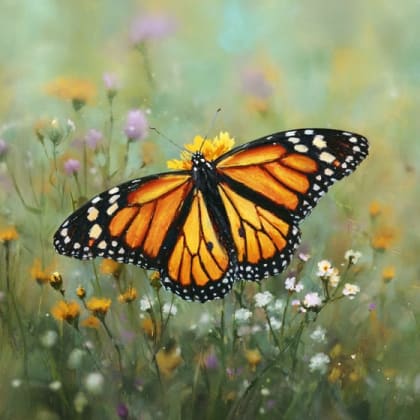
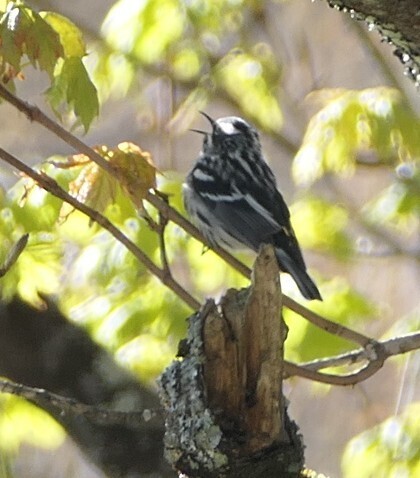
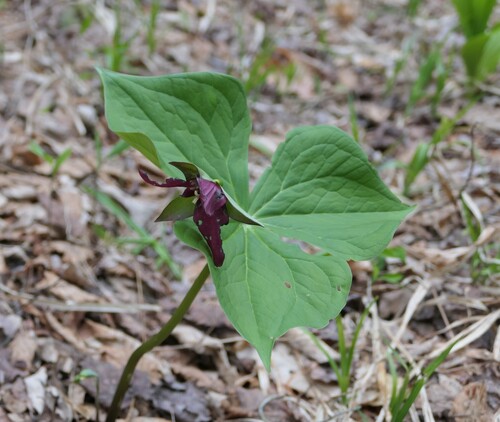
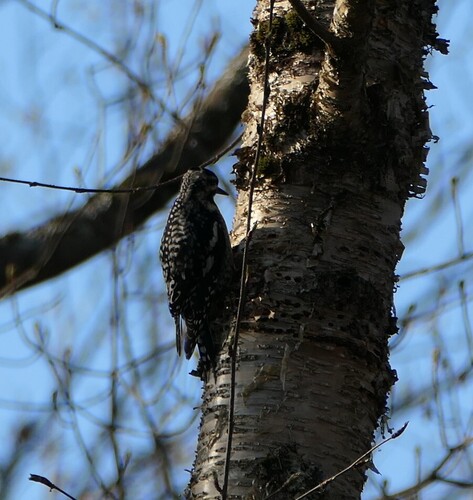
Each card links to a full Explore page with photos, traits, and fun facts.
Start with the big picture, then zoom in to explore individual wildlife observations around this place.
Wear comfortable shoes
The best way to explore the district is on foot.
Bring a camera
The historic buildings and rural setting offer excellent photographic opportunities.
Respect private property
Many of the historic structures are private homes; please observe them from public areas.
Visit during daylight hours
To best appreciate the architectural details and the scenic surroundings.
Plan for the weather
Dress in layers, especially during spring and fall, and be prepared for potential snow in winter.
Combine with other local attractions
Explore other scenic drives or small towns in the Windham County area.
May 12, 2026
Photo attribution
no rights reserved
License: CC0 1.0 ↗
Image may be shown cropped inside the card frame.
May 5, 2026
Photo attribution
no rights reserved
License: CC0 1.0 ↗
Image may be shown cropped inside the card frame.
May 4, 2026
Photo attribution
no rights reserved
License: CC0 1.0 ↗
Image may be shown cropped inside the card frame.
May 2, 2026
Photo attribution
no rights reserved
License: CC0 1.0 ↗
Image may be shown cropped inside the card frame.
Apr 18, 2026
Photo attribution
no rights reserved
License: CC0 1.0 ↗
Image may be shown cropped inside the card frame.

Maryland, US
You might spot White-Tailed Deer and Eastern Gray Squirrel.
View guide →
.jpg)
District of Columbia, US
You might spot Eastern Gray Squirrel, Duck, and House Sparrow.
View guide →

Illinois, US
You might spot American Robin, Canada Goose, and House Sparrow.
View guide →

Virginia, US
You might spot Spotted Lanternfly and Northern Cardinal.
View guide →
Take the discovery with you
Identify the wildlife you spot, learn as you go, and keep a collection of the adventure.