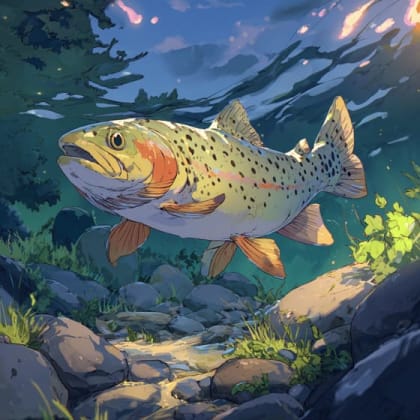
Sand Tiger Shark
carcharias taurus
The Sand Tiger Shark is a unique-looking fish known for its long, slender body and toothy grin! These sharks can be found swimming gracefully through the ocean, making them a fascinating sight for underwater explorers.
Habitat: Coastal waters of the ocean, often near coral reefs and sandy bottoms.
The Sand Tiger Shark has a bulky body and a pointed snout. It is brownish-grey with darker spots, a pale belly, and distinctive jagged teeth that protrude even when its mouth is closed, giving it a fierce look.
Category
FishRarity
Common
Danger
1/5 · Very low
Snaps
2
Even with their scary teeth, Sand Tiger Sharks are generally not dangerous to people.
These sharks are famous for eating their siblings inside their mom's womb!
They can gulp air like a balloon to float perfectly still without moving their fins.
They can replace hundreds of their sharp, needle-like teeth throughout their life!
Sand Tiger Sharks can gulp air into their stomachs that helps them hover perfectly still in the water, conserving energy.
Sand Tiger Sharks are skilled nocturnal predators that helps them surprise and catch unsuspecting prey at night.
Sand Tiger Sharks have rows of long, pointed, needle-like teeth that help them firmly grasp slippery fish prey.
These sharks are carnivores, primarily eating fish and other small ocean creatures they hunt!
Age differences: Young sharks eat smaller prey like crabs and shrimp, while adults hunt larger fish and squid.
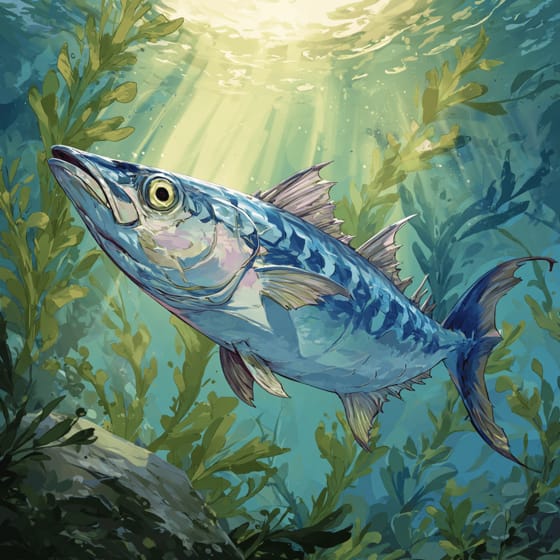
Scomber scombrus
for quick, nutritious meals.
Anguilla rostrata
in coastal seabed habitats.
Loligo pealeii
for a varied diet.
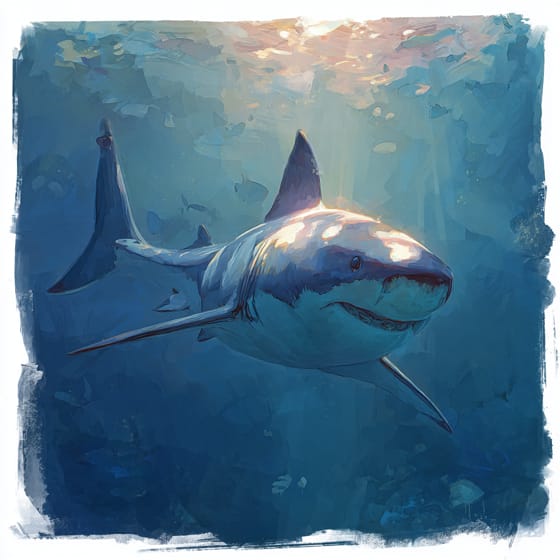
Carcharodon carcharias
when young and vulnerable.
Solitary animals live alone for most of their lives, only interacting with others for mating or parental care.
This trait identifies organisms whose diet consists entirely or primarily of animal tissue.
Aquatic habitats encompass environments where organisms live predominantly in water, including oceans, rivers, lakes, and wetlands.
Marine habitats encompass all saltwater environments of the Earth's oceans, supporting an immense diversity of aquatic life.
Danger
1/5 · Very low
Always observe marine life from a safe distance.
The easiest way to identify Sand Tiger Shark is to use the Snappit nature identifier app.
250-320 cm
95-160 kg
15-30 years
These sharks are carnivores, primarily eating fish and other small ocean creatures they hunt!
8 km/h
Coastal waters of the ocean, often near coral reefs and sandy bottoms.
Ambush
Zoom in to split clusters and explore where this object has been snapped.
Ohio, US
You might spot Sand Tiger Shark, Nurse Shark, and Cow.
View guide →

New Mexico, US
You might spot Sand Tiger Shark and Zebra Shark.
View guide →

Texas, US
You might spot White Tiger, Octopus, and Sand Tiger Shark.
View guide →
Florida, US
You might spot Sand Tiger Shark, Octopus, and North American River Otter.
View guide →

New York, US
You might spot Sand Tiger Shark, African Penguin, and Sea Lion.
View guide →

Connecticut, US
You might spot Beluga Whale, African Penguin, and Sea Lion.
View guide →
Take the discovery with you
Snap it with Snappit to identify it, learn what makes it special, and add the discovery to your collection.