





Satyr Comma
Polygonia satyrus
The Satyr Comma is a beautiful butterfly with orange and brown wings. It has a unique comma-shaped mark on its wings, which helps it blend in with the leaves when resting.
Habitat: Forests
The Satyr Comma has ragged, angular wings that give it a distinctive outline. Its uppersides are tawny orange with dark spots, while the undersides are mottled brown, expertly mimicking a dead leaf. A small, silvery-white 'comma' mark adorns each hindwing.
Category
InsectsRarity
Common
Danger
1/5 · Very low
Snaps
6
It often perches upside down, blending perfectly with bark or branches!
The 'comma' mark on its wing is actually silver, helping with camouflage!
Unlike many butterflies, adults love sipping tree sap and rotting fruit!
Wow, its ragged wing edges aren't damage, they're designed that way!
Satyr Comma has wings that perfectly mimic dead leaves, helping them hide from hungry birds and other predators.
Satyr Comma can hibernate as an adult butterfly through cold winters, emerging to lay eggs in spring.
Satyr Comma can fly with quick, darting movements that make it incredibly difficult for predators to catch.
Nectar, tree sap, and rotting fruit fuel this unique butterfly during its adult life.
Age differences: Larvae feed on the leaves of host plants, while adults consume sap, fruit, and occasional nectar.
Urtica dioica
Larvae eat its leaves for growth.

Populus tremuloides
Caterpillars feed on its leaves.
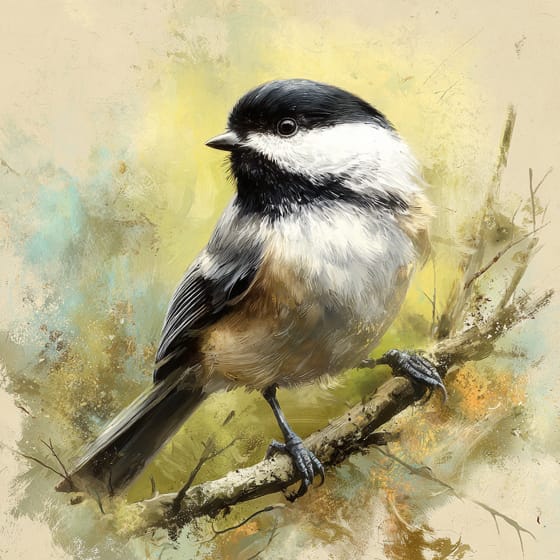
Poecile atricapillus
Eats adult butterflies and larvae.

Acer saccharum
Adults sip its fermenting sap.
Solitary animals live alone for most of their lives, only interacting with others for mating or parental care.
Camouflaged describes organisms that possess coloring or patterns that allow them to blend into their environment.
Colorful describes organisms or objects displaying a wide range of bright and distinct colors.
This trait characterizes organisms whose diet consists entirely or primarily of plant material.

Describes plants that are particularly attractive and beneficial to a wide range of pollinating organisms.

Forest habitats are terrestrial environments dominated by dense tree cover, supporting a high diversity of plant and animal life.

Diurnal animals are primarily active during daylight hours, typically resting or sleeping at night.

Describes organisms that transfer pollen, enabling the fertilization and reproduction of plants.
No aliases listed yet.
Danger
1/5 · Very low
Butterflies are gentle and safe to watch, but don't try to catch them.
The easiest way to identify Satyr Comma is to use the Snappit nature identifier app.
45-64 mm
20-30 mm
30-200 days
20 km/h
Nectar, tree sap, and rotting fruit fuel this unique butterfly during its adult life.
Forests
Foraging
Zoom in to split clusters and explore where this object has been snapped.

British Columbia, CA
You might spot Green Comma, Mourning Cloak, and Hoary Comma.
View guide →

Montana, US
You might spot Field Crescent, Thimbleberry, and Baker's Mariposa Lily.
View guide →

Washington, US
You might spot Wood Duck, Rough-Skinned Newt, and Pacific Trillium.
View guide →

Washington, US
You might spot Thimbleberry, Modesty, and Arctic Butterbur.
View guide →

Washington, US
You might spot Broad-Leaved Stonecrop and Western Sword Fern.
View guide →

Wisconsin, US
You might spot Western Bog Laurel and Purple Pitcher Plant.
View guide →
Take the discovery with you
Snap it with Snappit to identify it, learn what makes it special, and add the discovery to your collection.







.jpg&width=800)


