





Scarlet Calamint
Clinopodium coccineum
Scarlet Calamint is a bright red flower that loves to grow in sunny places. Its sweet smell attracts butterflies and bees, making it a happy spot in gardens!
Habitat: Grasslands
The Scarlet Calamint has striking, vibrant scarlet to reddish-orange tubular flowers, clustered along upright stems. Its small, dark green leaves are oval-shaped and emit a distinctive minty aroma when crushed. It stands out with its fiery blossoms against the green foliage.
Category
PlantsRarity
Common
Danger
1/5 · Very low
Snaps
Be the first to snap!
It can withstand very dry weather, staying strong when other plants wilt.
Its bright red flowers are a favorite snack stop for speedy hummingbirds!
Native Americans traditionally used its leaves to make soothing herbal teas.
This plant's leaves have a zesty, minty smell when you gently rub them.
Scarlet Calamint has bright red, tubular flowers that act like a beacon, perfectly attracting hummingbirds to pollinate them.
This plant's aromatic leaves release a minty smell, helping to repel some hungry animals from taking a bite.
Scarlet Calamint can grow in dry, sandy, and poor soils, which helps it survive where many other plants struggle.

Archilochus colubris
Main pollinator, feeding on nectar
Bombus impatiens
Visits flowers for nectar and pollen
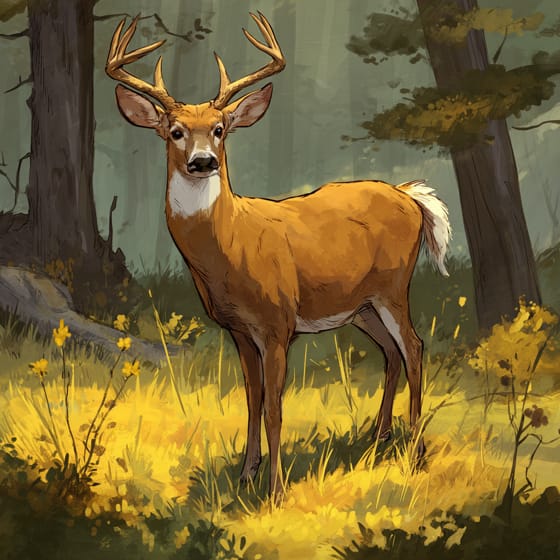
Odocoileus virginianus
May browse on foliage when food is scarce
Aromatic plants produce and emit fragrant volatile organic compounds, often for defense or to attract pollinators.
Flowering plants are any plants that produce flowers as part of their reproductive cycle.
Summer blooming plants produce their flowers during the summer season, often providing vibrant color when many other plants have finished.
Fragrant flowers emit a pleasant aroma, often to attract pollinators or for defense.

Colorful describes organisms or objects displaying a wide range of bright and distinct colors.

Edible plants are those parts of a plant that are considered safe for human consumption.

Grassland habitats are terrestrial biomes dominated by grasses and herbaceous plants, supporting a variety of grazing animals.

Describes plants that are particularly attractive and beneficial to a wide range of pollinating organisms.
No aliases listed yet.
Danger
1/5 · Very low
Always check with an adult before touching or smelling flowers.
The easiest way to identify Scarlet Calamint is to use the Snappit nature identifier app.
30-90 cm
30-60 cm
2.5-3.8 cm
Summer to fall
Yes
None
Perennial
Zoom in to split clusters and explore where this object has been snapped.
Recent snaps will appear here as new observations are added.
Take the discovery with you
Snap it with Snappit to identify it, learn what makes it special, and add the discovery to your collection.









.jpg&width=800)


_001.jpg&width=800)



