




screwbean
Strombocarpa pubescens
The screwbean is a special plant with curly, twisty seed pods that look like little spirals! It grows in warm places and is great for helping the soil stay healthy.
Habitat: Desert
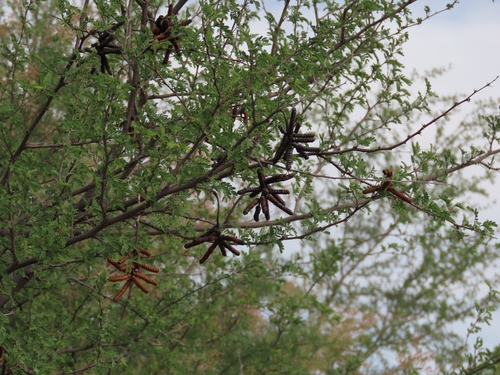
The screwbean is a thorny shrub or small tree with silvery-green leaves. It features distinctive, yellow-green flowers and uniquely twisted, corkscrew-shaped seed pods that ripen to beige. Its appearance helps it stand out in arid desert landscapes.
Category
PlantsRarity
Common
Danger
1/5 · Very low
Snaps
2
Even its tough wood was used to make tools and sturdy buildings!
Its sweet, twisty pods were a super important food for many desert people!
The plant’s name comes from its amazing, corkscrew-shaped seed pods!
This resilient desert dweller can survive for more than 100 years!
Screwbean can grow incredibly deep roots to find precious water in dry deserts, helping it survive long periods without rain.
Screwbean has special root nodules that add valuable nitrogen to the soil, making it richer for other plants.
Screwbean has uniquely twisted pods that break apart slowly, dropping seeds over time and allowing them to spread far.

Ovis canadensis
eats its leaves and pods
Apis mellifera
gathers nectar from its flowers
Rhizobium leguminosarum
fixes nitrogen in its roots
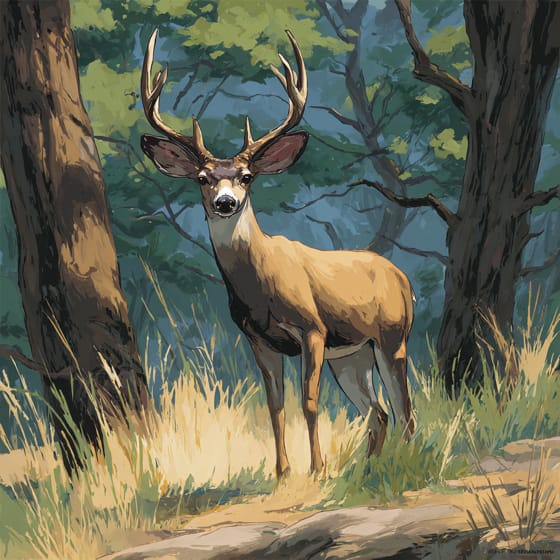
Odocoileus hemionus
browses its foliage and seed pods

Phainopepla nitens
nests within its thorny branches
Flowering plants are any plants that produce flowers as part of their reproductive cycle.
Describes organisms capable of converting atmospheric nitrogen into compounds usable by plants.
Drought-tolerant plants can survive and flourish in conditions with limited water availability.
Edible plants are those parts of a plant that are considered safe for human consumption.

Desert habitats are arid regions characterized by extremely low precipitation and often extreme temperatures, supporting specialized flora and fauna.

Describes a species whose presence and role have a disproportionately large effect on its environment.
No aliases listed yet.
Danger
1/5 · Very low
Always look but don't touch plants unless an adult says it's okay.
The easiest way to identify screwbean is to use the Snappit nature identifier app.
200-700 cm
150-600 cm
0.5-1 cm
Summer
Yes
None
Perennial
Zoom in to split clusters and explore where this object has been snapped.
Jun 12, 2026
Mesilla PlazaPhoto attribution
(c) Suanne Pyle, some rights reserved (CC BY)
License: CC BY 4.0 ↗
Image may be shown cropped inside the card frame.
Take the discovery with you
Snap it with Snappit to identify it, learn what makes it special, and add the discovery to your collection.









.jpg&width=800)



_001.jpg&width=800)



