





Scudder's Bush Katydids
Scudderia
Scudder's Bush Katydids are green insects that love to hide in bushes and grass. They make a special sound that helps them talk to each other, especially at night!
Habitat: Grasslands
The Scudder's Bush Katydids is a bright green insect with a slender, leaf-like body, perfectly camouflaged among foliage. It has very long, thin antennae, often much longer than its body, and large, clear wings that typically extend past its abdomen, distinguishing it from other bush katydids.
Category
InsectsRarity
Common
Danger
1/5 · Very low
Snaps
Be the first to snap!
A male katydid's song is a buzzing serenade to attract a female.
Katydids' tiny ears are located on their front legs, not on their head!
Their antennae can be twice as long as their whole body!
They lay their eggs in neat rows on plant stems or leaves.
Scudder's Bush Katydids can disappear among leaves because its body is perfectly shaped and colored like a leaf, helping it hide from predators.
Scudder's Bush Katydids can 'sing' to attract mates by rubbing its wings together, producing a distinctive buzzing or ticking sound.
Scudder's Bush Katydids has ears on its front legs that help it detect other katydids' calls and avoid danger.
Scudder's Bush Katydids can leap far distances using its strong hind legs to escape quickly from danger.
Mostly eats various plant leaves and flowers, rarely munching on small insects.
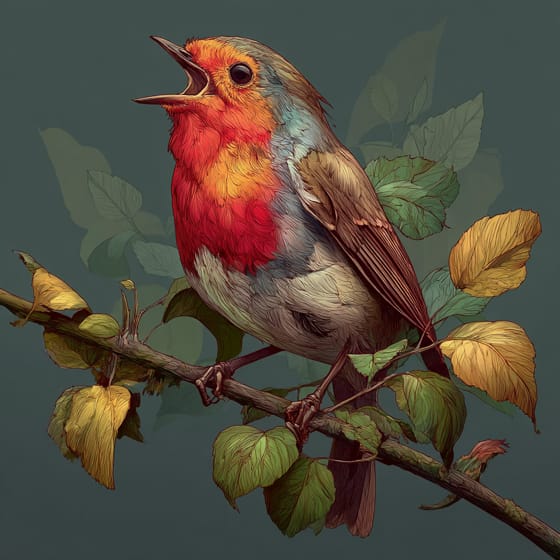
Turdus migratorius
A common bird that preys on insects in trees and shrubs.

Argiope aurantia
Captures katydids in its intricate, visible web.
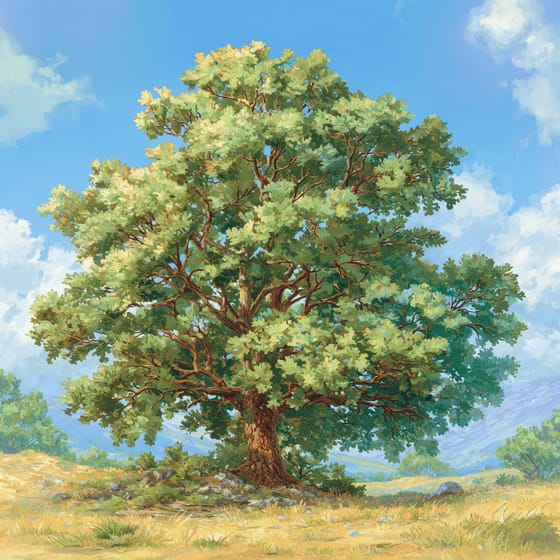
Quercus alba
Feeds on the leaves of this abundant North American tree.

Acer rubrum
Consumes the foliage of young maple trees.
Social animals live in organized groups, cooperating for survival benefits such as foraging, defense, and raising offspring.
Singing animals produce complex vocalizations, often for purposes of attracting mates, defending territory, or communicating within their species.
Camouflaged describes organisms that possess coloring or patterns that allow them to blend into their environment.
Colorful describes organisms or objects displaying a wide range of bright and distinct colors.

Grassland habitats are terrestrial biomes dominated by grasses and herbaceous plants, supporting a variety of grazing animals.

This trait characterizes organisms whose diet consists entirely or primarily of plant material.

Nocturnal animals are primarily active during the nighttime hours, typically resting or sleeping during the day.

Describes organisms that transfer pollen, enabling the fertilization and reproduction of plants.
No aliases listed yet.
Danger
1/5 · Very low
Katydids are harmless, but it's best to watch them from a distance.
The easiest way to identify Scudder's Bush Katydids is to use the Snappit nature identifier app.
70-100 mm
40-55 mm
60-120 days
8 km/h
Mostly eats various plant leaves and flowers, rarely munching on small insects.
Grasslands
Foraging
Zoom in to split clusters and explore where this object has been snapped.
Recent snaps will appear here as new observations are added.
Take the discovery with you
Snap it with Snappit to identify it, learn what makes it special, and add the discovery to your collection.







.jpg&width=800)



