





sea grape
Coccoloba uvifera
Sea grapes are fun plants that grow near the beach! They have big, round leaves and produce small, grape-like fruits that are loved by birds and other animals.
Habitat: Coastal areas
The sea grape has large, round, leathery leaves that start reddish, turn green, and then often blush red or orange before falling. Its small, greenish-white flowers grow in spikes, leading to clusters of purple, grape-like fruits.
Category
PlantsRarity
Common
Danger
1/5 · Very low
Snaps
24
Each sea grape leaf can grow as big as a dinner plate!
Indigenous people used sea grape leaves to make healing teas and dye clothes!
Jelly made from sea grape fruits tastes like a sweet, wild berry!
The wood of a sea grape is so hard, it used to be called "ironwood"!
Sea grape can tolerate salty ocean spray and sandy soil, helping it thrive where most other plants struggle to grow.
It has deep, strong roots that help stabilize sandy coastlines, protecting them from erosion by wind and waves.
Its broad leaves change from green to vibrant red, orange, or yellow before falling, a beautiful seasonal display.
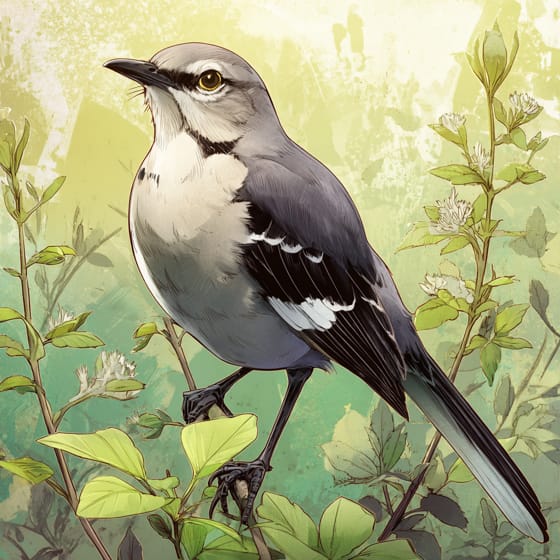
Mimus polyglottos
Eats the sweet, ripe sea grape fruits.
Apis mellifera
Visits small flowers to collect nectar.
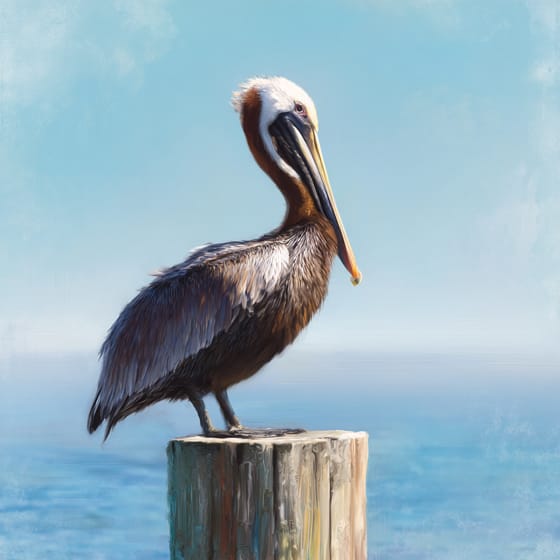
Pelecanus occidentalis
Coastal trees provide resting and nesting spots.
A shrub is a woody plant smaller than a tree, typically with multiple stems branching from or near the ground.
Broadleaf trees are angiosperms characterized by flat, wide leaves that are typically shed annually in temperate climates.
Evergreen plants retain their foliage throughout the year, never shedding all their leaves at once.
Fruit-bearing plants produce fruits, which are the mature ovaries of flowering plants containing seeds.
Salt tolerant plants can withstand and grow in conditions with elevated salinity levels in the soil or water.

Drought-tolerant plants can survive and flourish in conditions with limited water availability.
A fruit tree is a perennial tree that produces fruit, which is edible to humans or animals.

Edible plants are those parts of a plant that are considered safe for human consumption.

Coastal habitats are dynamic environments located along the interface between land and sea, influenced by tides, waves, and saltwater.
No aliases listed yet.
Danger
1/5 · Very low
Don't eat the fruits without asking an adult first, as not all fruits are safe.
The easiest way to identify sea grape is to use the Snappit nature identifier app.
200-1000 cm
200-800 cm
0.2-0.5 cm
Spring to summer
Yes
None
Perennial
Zoom in to split clusters and explore where this object has been snapped.

Hawaii, US
You might spot Brown Anole, Gold Dust Day Gecko, and Red-Crested Cardinal.
View guide →

Florida, US
You might spot Crested Anole, Brown Anole, and Peters's Rock Agama.
View guide →

Florida, US
You might spot Brown Pelican, Black Spiny-Tailed Iguana, and Sea Grape.
View guide →

Hawaii, US
You might spot Gold Dust Day Gecko, Brown Anole, and White-Rumped Shama.
View guide →

US
You might spot Double-Crested Cormorant, Sea Grape, and Great Blue Heron.
View guide →

Florida, US
You might spot Brown Anole, Laughing Gull, and Green Iguana.
View guide →
Take the discovery with you
Snap it with Snappit to identify it, learn what makes it special, and add the discovery to your collection.









.jpg&width=800)


_001.jpg&width=800)


