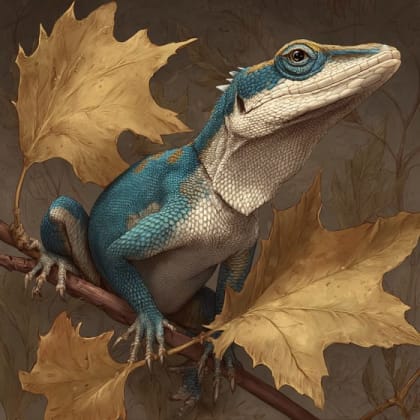
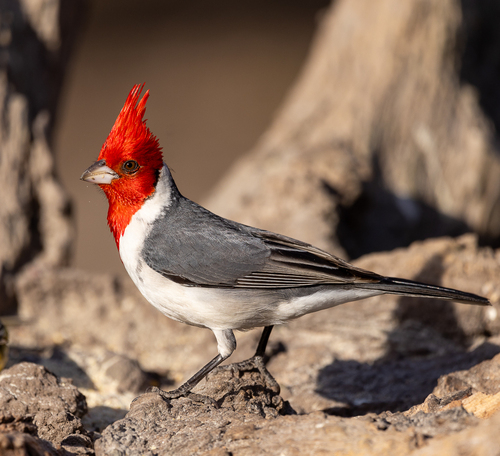
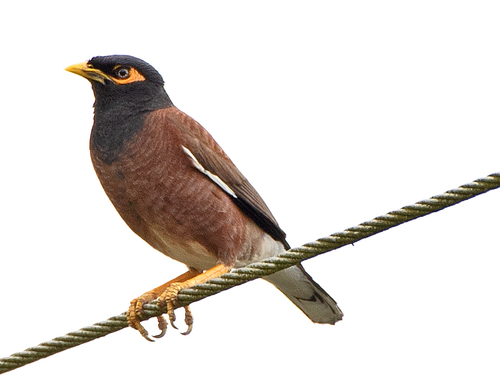
Brown Anole

Waimea Valley is a Hawaiian treasure offering lush botanical gardens, rich cultural experiences, and a refreshing waterfall.
Waimea Valley is a Hawaiian treasure offering lush botanical gardens, rich cultural experiences, and a refreshing waterfall. This iconic North Shore destination seamlessly blends natural beauty with deep historical significance, inviting visitors to step into a living legacy. It's a breathtaking wahi pana, a storied and sacred place rooted in Native Hawaiian history and living tradition. Spanning 1,875 acres, the valley is a vibrant sanctuary showcasing over 3,000 species of tropical plants across 60 beautifully curated themed gardens.
As you explore the paved ¾-mile trail, you'll encounter a diverse array of botanical collections, including an extensive Hawaiian hibiscus garden, a significant collection of kalo (taro) varieties, and the stately loulu palms, native to Hawaiʻi. The gardens also feature flora from around the world, such as the Ogasawara Islands, Fiji, and Central and South America, many of which are rare and endangered. Along the path, visitors discover ancient cultural sites like Hale o Lono and Kauhale Kahiko, offering insights into traditional Hawaiian life and spiritual practices. The journey culminates at the majestic 45-foot Waimea Falls, where, conditions permitting, you can enjoy a safe and invigorating swim under the watchful eye of lifeguards.
Waimea Valley provides a unique and memorable experience for all ages, combining education, conservation, and adventure. Beyond the botanical wonders and the swimmable falls, guests can immerse themselves in Hawaiian culture through various demonstrations, including hula, lei making, and ukulele playing, or even attend a traditional Toa Luau. It’s a place where you can connect with nature, appreciate the island's heritage, and create lasting memories in a truly sacred landscape. Be ready to snap and learn! Get the Snappit app to identify any nature species you find here.
& Culture Seekers:** Offers a deep dive into Native Hawaiian history, sacred sites, traditional living complexes, and cultural performances. * **Photography:** The lush landscapes, vibrant flora, and the picturesque waterfall provide abundant opportunities for stunning photos. * **Seniors & Visitors with Mobility Needs:** The accessible paved pathways, shuttle service, and rest areas make it comfortable for a wide range of visitors.
Hike the paved trail to Waimea Falls and take a refreshing swim.
* Join a guided botanical tour (daily at 12:30 PM) to learn about the plant collections.
* Immerse yourself in Hawaiian history at the cultural sites.
* Enjoy cultural performances and educational activities.
* Experience the Toa Luau for an evening of Polynesian culture and food (requires separate booking).
The valley is open daily from 9 AM to 5 PM (September to May) and 9 AM to 5:30 PM (summer), closing only on Thanksgiving and Christmas Day.
Waterfall swimming is weather-dependent; it's advisable to call (808) 638-7766 on the day of your visit for the latest status.
Winter (November to March) is the wetter season, while summer (April to October) is generally drier, though rain can occur year-round.
The main trail to Waimea Falls is fully paved and wheelchair-accessible, featuring gentle slopes. Accessible restrooms are available, and benches and shaded rest areas are located along the trails. Shuttle transportation to the waterfall is available for a fee, and mobility scooters can be rented. Service animals are welcome.
A stunning 45-foot waterfall at the end of the main trail, where swimming is often permitted with lifeguards on duty.
Explore over 60 themed gardens showcasing diverse plant collections from Hawaiʻi and around the world, including rare and endangered species.
Discover ancient Hawaiian heiau (temples) like Hale o Lono, traditional living sites (Kauhale Kahiko), and agricultural terraces (Loʻi).
Witness traditional hula performances, lei making, and other Hawaiian cultural practices by resident artisans.
Each card links to a full Explore page with photos, traits, and fun facts.
Start with the big picture, then zoom in to explore individual wildlife observations around this place.
Wear appropriate footwear
** Opt for comfortable walking shoes for the paved ¾-mile trail. If you plan to swim, bring water shoes to navigate slippery rocks near the waterfall.
Pack for swimming
Don't forget your swimsuit and a towel if you intend to take a dip in Waimea Falls. Life jackets are provided free of charge at the falls.
Stay hydrated and protected
Bring a refillable water bottle, and apply reef-safe sunscreen. A hat and sunglasses are also recommended, along with a light rain jacket, as weather can change quickly on Oahu.
Arrive early
Visiting closer to opening time can help you avoid larger crowds, especially at the waterfall, and secure parking more easily.
Consider the shuttle
If you have limited mobility or prefer to conserve energy, a shuttle service is available for a fee to transport visitors to and from Waimea Falls.
Respect the culture
Be mindful and respectful of all cultural sites and practices within the valley. Stay on marked paths to help preserve the natural and historical integrity of the area.
Jun 17, 2026
Jun 17, 2026
Jun 17, 2026
Jun 17, 2026
Jun 17, 2026

Maryland, US
You might spot White-Tailed Deer and Eastern Gray Squirrel.
View guide →
.jpg)
District of Columbia, US
You might spot Eastern Gray Squirrel, Duck, and House Sparrow.
View guide →

Illinois, US
You might spot American Robin, Canada Goose, and House Sparrow.
View guide →

Virginia, US
You might spot Spotted Lanternfly and Northern Cardinal.
View guide →
Take the discovery with you
Identify the wildlife you spot, learn as you go, and keep a collection of the adventure.