





Prickly Wild Rose
Rosa acicularis
The Prickly Wild Rose is a beautiful shrub with lovely pink flowers. It has sharp thorns that help protect it from animals. This plant is often found in nature and is loved by many butterflies and bees!
Habitat: Grasslands
The Prickly Wild Rose has vibrant pink to rose-purple, sometimes white, five-petaled flowers that contrast beautifully with its densely prickly stems. Its dark green, compound leaves later give way to bright red, fleshy rose hips in autumn, making it distinct.
Category
PlantsRarity
Common
Danger
2/5 · Low
Snaps
8
Indigenous peoples historically used its hips to make tasty teas and nutritious jellies.
Its hips contain more Vitamin C than an orange, supercharging winter snacks!
The name 'acicularis' means 'needle-like,' a perfect fit for its super sharp prickles!
This tough rose is the official floral emblem of Alberta, Canada, thriving in cold lands!
The Prickly Wild Rose has sharp, needle-like prickles that help it defend against hungry herbivores, keeping its tender leaves safe.
Prickly Wild Rose grows bright red hips packed with Vitamin C, providing vital winter food for animals and aiding seed dispersal.
This rose can thrive in very cold climates, using its hardy root system to survive harsh winters.
Apis mellifera
Visits flowers to collect nectar and pollen.
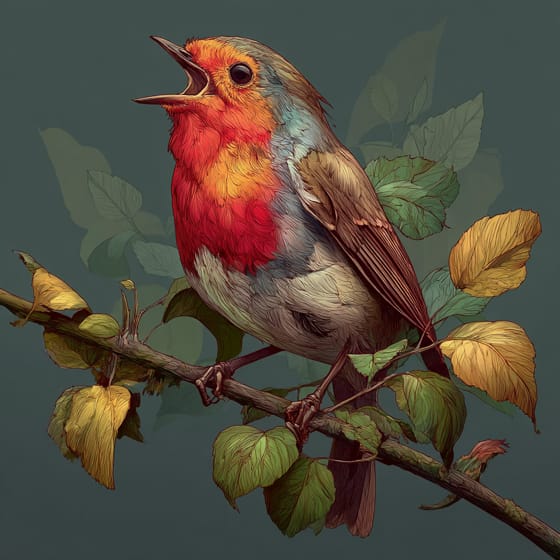
Turdus migratorius
Feeds on the nutritious rose hips, helping to spread seeds.

Odocoileus virginianus
Browses on its leaves and young stems, despite the thorns.
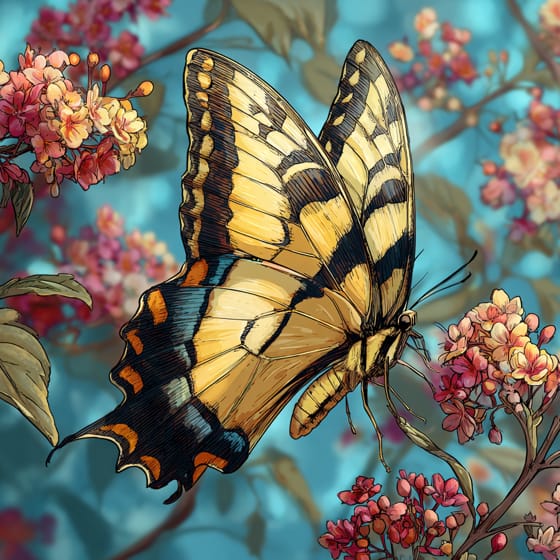
Papilio glaucus
Sips nectar from its vibrant pink flowers.
Deciduous plants periodically shed all their leaves, typically during autumn or dry seasons.
Flowering plants are any plants that produce flowers as part of their reproductive cycle.
A shrub is a woody plant smaller than a tree, typically with multiple stems branching from or near the ground.
Summer blooming plants produce their flowers during the summer season, often providing vibrant color when many other plants have finished.

Fragrant flowers emit a pleasant aroma, often to attract pollinators or for defense.

Pertaining to plants that have stems covered with sharp, pointed projections for defense.

Grassland habitats are terrestrial biomes dominated by grasses and herbaceous plants, supporting a variety of grazing animals.

Describes plants that are particularly attractive and beneficial to a wide range of pollinating organisms.
No aliases listed yet.
Danger
2/5 · Low
Be careful of the thorns when you get close to this plant!
The easiest way to identify Prickly Wild Rose is to use the Snappit nature identifier app.
100-300 cm
100-200 cm
3-5 cm
Late spring to early summer
Yes
None
Perennial
Zoom in to split clusters and explore where this object has been snapped.

Alaska, US
You might spot Sandhill Crane, Fireweed, and Prickly Wild Rose.
View guide →

Alaska, US
You might spot Canadian Bunchberry, Saskatoon, and Canadian Buffalo-Berry.
View guide →

Alaska, US
You might spot Brown Bear, American Beaver, and Arctic Raspberry.
View guide →
Alaska, US
You might spot Brown Bear, American Beaver, and Arctic Raspberry.
View guide →

Alaska, US
You might spot Moose, American Red Squirrel, and Lingonberry.
View guide →
.jpg)
Manitoba, CA
You might spot Canadian Bunchberry, Jack Pine, and Paper Birch.
View guide →
Take the discovery with you
Snap it with Snappit to identify it, learn what makes it special, and add the discovery to your collection.







.jpg&width=800)


_001.jpg&width=800)




