





Seaside Dragonlet
Erythrodiplax berenice
The Seaside Dragonlet is a small dragonfly that loves to flutter near water. With its bright colors and tiny size, it is a fun little creature to spot at the beach or by ponds.
Habitat: Coastal areas
The Seaside Dragonlet has a robust body, often dark brown or black, with mature males developing a blue-grey powdery coating called pruinescence. Females are typically yellowish-brown. Its wide-set, dark eyes help it spot prey in its unique coastal habitats.
Category
InsectsRarity
Common
Danger
1/5 · Very low
Snaps
4
A Dragonlet's eyes have thousands of tiny lenses, giving them a super wide view!
Dragonflies can fly forwards, backwards, and even hover perfectly still!
Their underwater nymphs breathe through gills and are fierce tiny hunters!
They are some of the fastest flying insects, zooming past like a tiny jet!
Seaside Dragonlet can thrive in salty coastal wetlands because its larvae uniquely tolerate brackish water.
Seaside Dragonlet has incredible flight agility that helps them catch flying insects mid-air with ease.
Seaside Dragonlet has massive compound eyes that help it see predators and prey in almost all directions.
These aerial hunters feast on smaller insects, which they snatch from the air with expert skill.
Age differences: As nymphs, they eat aquatic invertebrates; as adults, they catch flying insects.
Aedes aegypti
Adult dragonlets prey on adult mosquitoes, helping control their populations.
.jpg&width=800)
Tyrannus tyrannus
Birds like kingbirds snatch adult dragonflies from the air.
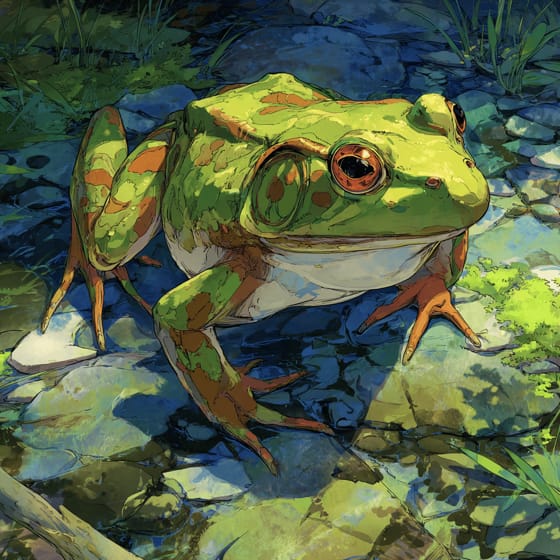
Lithobates catesbeianus
Bullfrogs will eat adult dragonlets that come near the water's edge.
Gambusia affinis
These fish consume dragonlet nymphs and other aquatic insect larvae.
Colorful describes organisms or objects displaying a wide range of bright and distinct colors.
This trait identifies organisms whose diet primarily consists of insects and other small invertebrates.
Coastal habitats are dynamic environments located along the interface between land and sea, influenced by tides, waves, and saltwater.
Diurnal animals are primarily active during daylight hours, typically resting or sleeping at night.

Pertaining to species that are significantly smaller than typical or average for their kind.

This trait identifies organisms that exhibit exceptional swiftness in movement for hunting, escape, or travel.

Describes organisms that transfer pollen, enabling the fertilization and reproduction of plants.
No aliases listed yet.
Danger
1/5 · Very low
Always watch where you step near water to keep both you and the dragonflies safe.
The easiest way to identify Seaside Dragonlet is to use the Snappit nature identifier app.
60-80 mm
30-40 mm
60-365 days
40 km/h
These aerial hunters feast on smaller insects, which they snatch from the air with expert skill.
Coastal areas
Pursuit
Zoom in to split clusters and explore where this object has been snapped.

Maryland, US
You might spot Great Blue Heron, Bald Eagle, and Eastern Box Turtle.
View guide →
North Carolina, US
You might spot Sanderling, Laughing Gull, and Brown Pelican.
View guide →
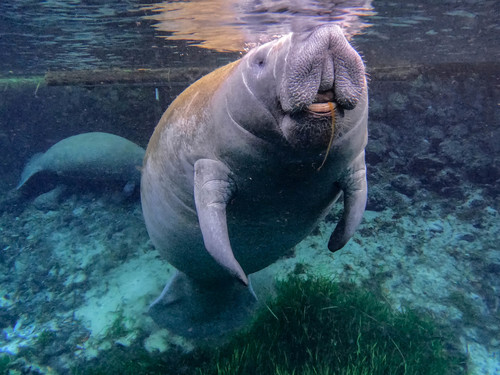
US
You might spot West Indian Manatee, Scarlet Skimmer, and Queen.
View guide →

Delaware, US
You might spot Atlantic Horseshoe Crab and Atlantic Ghost Crab.
View guide →

Virginia, US
You might spot Squareback Marsh Crab and American Trumpet Vine.
View guide →

Maine, US
You might spot Black-Shouldered Drone Fly and Dimorphic Sickleleg.
View guide →
Take the discovery with you
Snap it with Snappit to identify it, learn what makes it special, and add the discovery to your collection.








.jpg&width=800)



