




Seaside Juniper
Juniperus maritima
The Seaside Juniper is a small, bushy plant that grows near the ocean. It has lovely green needles and produces tiny blue berries that birds love to eat!
Habitat: Coastal areas
The Seaside Juniper has a low, sprawling form with stiff, scale-like leaves that are often a vibrant blue-green or gray-green. Its bark is reddish-brown and peels in strips, and it produces small, round, waxy blue-black 'berries' that are actually modified cones.
Category
PlantsRarity
Common
Danger
1/5 · Very low
Snaps
Be the first to snap!
Birds love its cones, helping to spread new juniper seeds far and wide!
Gin gets its unique, zesty flavor from these tiny juniper cones!
Its 'berries' are actually tiny, fleshy cones, not true fruits at all!
Some juniper trees can live for over 2,000 years, like ancient sentinels!
Seaside Juniper has specialized leaves that can tolerate salty sea spray, helping it survive harsh coastal environments.
Seaside Juniper's flexible branches and low-growing habit help it withstand strong coastal winds without breaking.
Seaside Juniper can grow extensive root systems that help stabilize shifting sand dunes, preventing erosion.

Turdus migratorius
Feeds on its nutrient-rich 'berries'.

Sialia mexicana
Enjoys the fleshy cones as a food source.
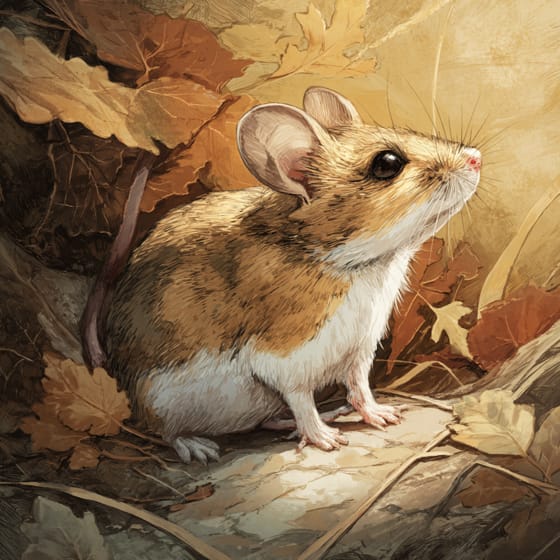
Peromyscus maniculatus
Finds safe cover within its dense branches.
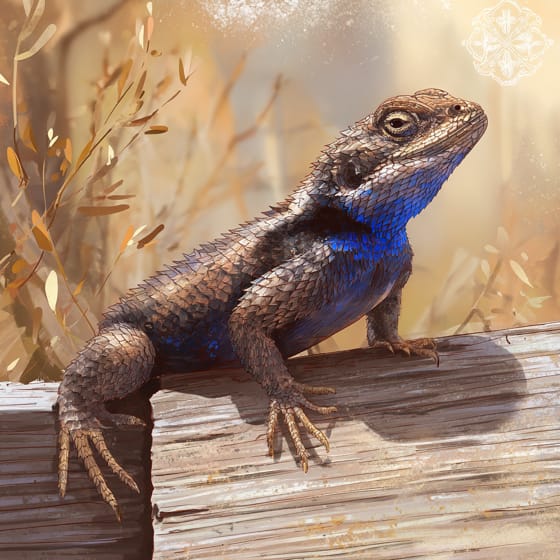
Sceloporus occidentalis
Hides from predators among its needles.
A shrub is a woody plant smaller than a tree, typically with multiple stems branching from or near the ground.
Coniferous plants are typically evergreen, bearing needles or scales and reproductive cones.
Evergreen plants retain their foliage throughout the year, never shedding all their leaves at once.
Fruit-bearing plants produce fruits, which are the mature ovaries of flowering plants containing seeds.
Salt tolerant plants can withstand and grow in conditions with elevated salinity levels in the soil or water.

Edible plants are those parts of a plant that are considered safe for human consumption.

Describes plants that are particularly attractive and beneficial to a wide range of pollinating organisms.

This trait characterizes organisms with an exceptionally long lifespan compared to others of their kind.

Coastal habitats are dynamic environments located along the interface between land and sea, influenced by tides, waves, and saltwater.

Describes a species whose presence and role have a disproportionately large effect on its environment.
No aliases listed yet.
Danger
1/5 · Very low
Always look but don't touch the berries, as they might not be safe to eat.
The easiest way to identify Seaside Juniper is to use the Snappit nature identifier app.
100-400 cm
150-600 cm
Spring
No
Mild
Perennial
Wind
Zoom in to split clusters and explore where this object has been snapped.
Recent snaps will appear here as new observations are added.
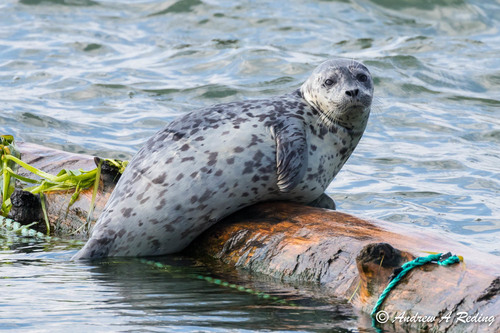
British Columbia, CA
You might spot Harbor Seal, Evergreen Huckleberry, and Alumroots.
View guide →

British Columbia, CA
You might spot Broad-Leaved Stonecrop, Harbor Seal, and Ochre Sea Star.
View guide →

Washington, US
You might spot Oregon Oak, Pacific Madrone, and Fairy-Slipper.
View guide →
Take the discovery with you
Snap it with Snappit to identify it, learn what makes it special, and add the discovery to your collection.









.jpg&width=800)



_001.jpg&width=800)

