.jpg&width=800)





Seedbox
ludwigia alternifolia
The Seedbox is a fun and colorful plant that grows in water! It has beautiful yellow flowers that attract all kinds of friendly insects.
Habitat: Wetlands, shallow waters, and marshy areas.
The Seedbox is easily recognized by its distinctive square stems and small, four-petaled yellow flowers. Its most unique feature is the hard, box-shaped fruit, which turns dark brown and often persists on the plant after drying.
Category
PlantsRarity
Common
Danger
0/5 · No known danger
Snaps
5
Even after the plant dries up, its cool seedboxes stay on the stems for months.
Its fruit is shaped exactly like a tiny, four-sided wooden box!
The Seedbox plant can sometimes grow roots right from its stems, not just from the base!
You can often hear its dried seeds rattle inside their boxes like tiny maracas!
Seedbox has lightweight seeds that can float on water to travel far and find new places to grow, aiding dispersal.
Seedbox can grow happily in very wet swamps, ditches, or even drier soils, adapting to different water levels.
Seedbox has a tough, woody, four-sided seed capsule that protects its precious seeds inside from harm.
Apis mellifera
collects nectar and pollen from its flowers
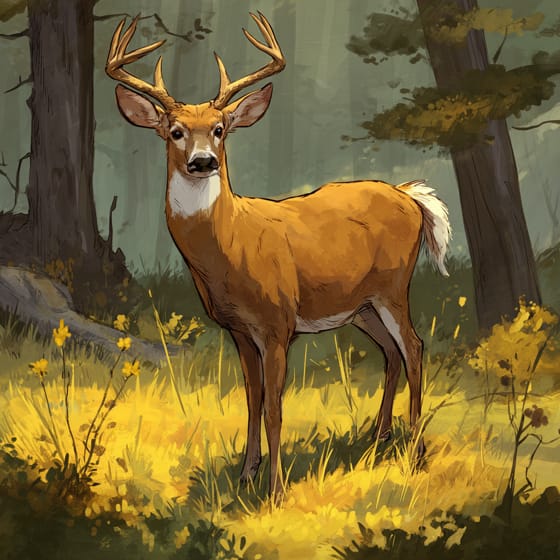
Odocoileus virginianus
browses its leaves and young stems
Anas platyrhynchos
forages on its floating seeds in wetlands
Bombus impatiens
visits its yellow flowers for nectar
Colorful describes organisms or objects displaying a wide range of bright and distinct colors.
Diurnal animals are primarily active during daylight hours, typically resting or sleeping at night.
Aquatic habitats encompass environments where organisms live predominantly in water, including oceans, rivers, lakes, and wetlands.
Describes organisms that transfer pollen, enabling the fertilization and reproduction of plants.

Endangered status indicates a species is at a very high risk of extinction in the wild in the near future.
Danger
0/5 · No known danger
No special safety notes yet.
The easiest way to identify Seedbox is to use the Snappit nature identifier app.
30-100 cm
20-60 cm
1-2 cm
Summer-fall
No
None
Perennial
Zoom in to split clusters and explore where this object has been snapped.

Georgia, US
You might spot Baldcypress, Anole, and American Alligator.
View guide →

Virginia, US
You might spot Canada Goose, Duck, and Great Blue Heron.
View guide →

Virginia, US
You might spot Duck, Canada Goose, and Red Deadnettle.
View guide →

Missouri, US
You might spot Blackjack Oak, Bird's Foot Violet, and Starry Campion.
View guide →
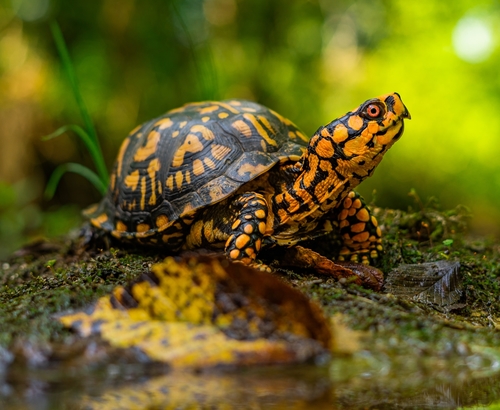
Indiana, US
You might spot Eastern Box Turtle, American Beech, and Common Coral Slime.
View guide →
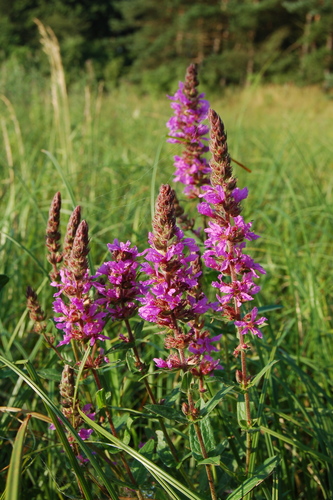
Virginia, US
You might spot Purple Loosestrife, Haircap Mosses, and Magnolias.
View guide →
Take the discovery with you
Snap it with Snappit to identify it, learn what makes it special, and add the discovery to your collection.









.jpg&width=800)



_001.jpg&width=800)




