.jpg&width=800)





Semipalmated Sandpiper
Calidris pusilla
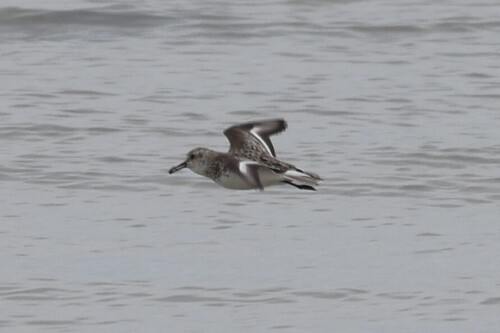
The Semipalmated Sandpiper is a small, quick bird that loves to run along the shore. It has tiny webbed feet that help it wade through water and find tasty bugs to eat.
Habitat: Coastal areas
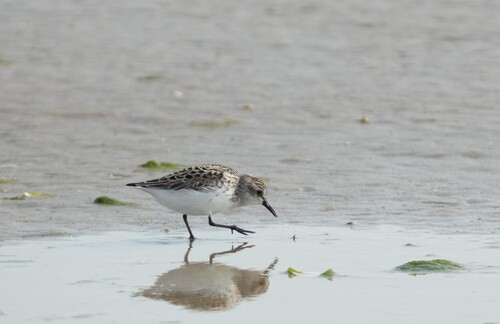
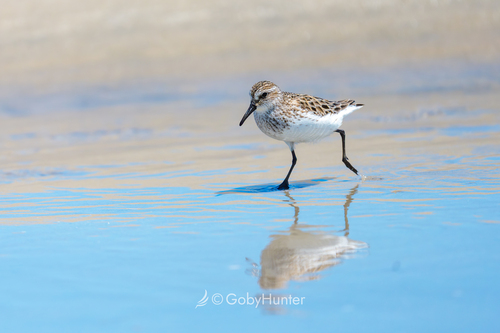
The Semipalmated Sandpiper is a small shorebird with short, dark legs and a relatively straight, dark bill. Its upperparts are brownish-grey, and its underparts are white. It's distinguished by its partially webbed toes and quick, scurrying movements.
Category
BirdsRarity
Common
Danger
1/5 · Very low
Snaps
18
Parents leave their chicks after hatching, letting them grow up fast!
Their "semi-palmated" name means they have small webs on their toes!
These tiny birds eat so fast, they can snatch over 30 snacks a minute!
They breed in the Arctic tundra, where summer days are super long!
Semipalmated Sandpiper has partially webbed feet that help them walk on soft mud without sinking.
Semipalmated Sandpiper can find tiny prey by probing mud, sensing vibrations with its bill.
Semipalmated Sandpiper can fly thousands of kilometers between continents without stopping.
These tiny birds gobble up small insects and worms found in mud and sand!
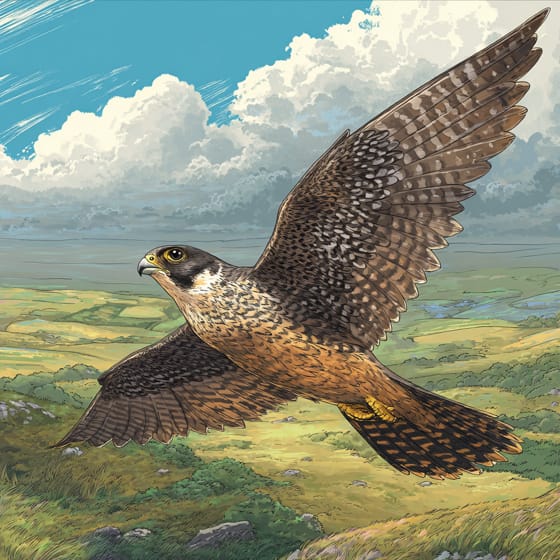
Falco columbarius
Migrating falcons actively hunt these shorebirds.
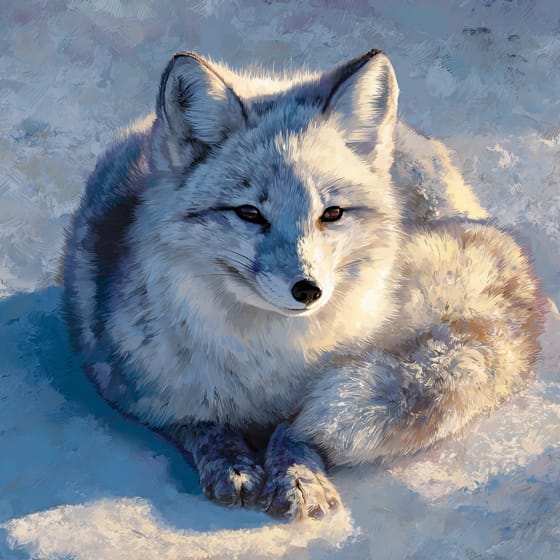
Vulpes lagopus
Preys on nests, eggs, and chicks in tundra.
Nereis virens
A major food source in coastal mudflats.
Corophium volutator
Tiny crustaceans are critical prey.
Feathered describes animals, primarily birds, possessing a covering of feathers.
Characterized by having toes connected by a membrane, typically aiding in swimming.
Social animals live in organized groups, cooperating for survival benefits such as foraging, defense, and raising offspring.
This trait identifies organisms whose diet primarily consists of insects and other small invertebrates.

Coastal habitats are dynamic environments located along the interface between land and sea, influenced by tides, waves, and saltwater.

This trait identifies organisms that exhibit exceptional swiftness in movement for hunting, escape, or travel.

Migratory animals undertake seasonal movements from one region to another, typically in response to changes in climate or food availability.
No aliases listed yet.
Danger
1/5 · Very low
Always watch birds from a distance and don't try to catch them.
The easiest way to identify Semipalmated Sandpiper is to use the Snappit nature identifier app.
13-15 cm
28-31 cm
0.02-0.036 kg
3-8 years
70 km/h
These tiny birds gobble up small insects and worms found in mud and sand!
Coastal areas
Zoom in to split clusters and explore where this object has been snapped.
Jun 4, 2026
Bellport Village Historic DistrictPhoto attribution
no rights reserved
License: CC0 1.0 ↗
Image may be shown cropped inside the card frame.
Jun 2, 2026
Stone Harbor Bird SanctuaryPhoto attribution
(c) GobyHunter, some rights reserved (CC BY)
License: CC BY 4.0 ↗
Image may be shown cropped inside the card frame.
May 25, 2026
Cape Charles Historic DistrictPhoto attribution
(c) Kathy Richardson, some rights reserved (CC BY)
License: CC BY 4.0 ↗
Image may be shown cropped inside the card frame.

US
You might spot Wharf Louse, Osprey, and Ruddy Turnstone.
View guide →

Illinois, US
You might spot Common Milkweed and Common Eastern Bumble Bee.
View guide →

New York, US
You might spot Pitch Pine, Great Egret, and Monarch.
View guide →

Nebraska, US
You might spot Purple Martin, Prairie Rattlesnake, and Lesser Scaup.
View guide →

US
You might spot Osprey, Laughing Gull, and Willet.
View guide →

Connecticut, US
You might spot Common Mugwort and Eastern Gray Squirrel.
View guide →
Take the discovery with you
Snap it with Snappit to identify it, learn what makes it special, and add the discovery to your collection.




.jpg&width=800)









