





Diamondback Terrapin

Explore Ocean City's historic heart, a captivating collection of late 19th and early 20th-century architecture.
Explore Ocean City's historic heart, a captivating collection of late 19th and early 20th-century architecture. This charming district, listed on the National Register of Historic Places, offers a unique glimpse into the resort town's origins as a Methodist-founded Christian seaside community. Comprising 169 properties, many dating back to the 1880s, it stands as a testament to Ocean City's enduring heritage and architectural evolution.
Stroll through tree-lined streets to discover a rich tapestry of architectural styles, including elegant Queen Anne and Folk Victorian homes, imposing Second Empire Mansard designs, and classic American Foursquare and Colonial Revival structures. Notable landmarks within the district include the historic site of the Ocean City Tabernacle, a central gathering place since the town's inception, and the magnificent St. Peter's United Methodist Church, a stunning example of Gothic Revival architecture with its intricate details and stained-glass windows. These well-preserved buildings, like the Simon Lake House, offer a visual journey through the resort's early development.
Visiting the Ocean City Residential Historic District is an immersive experience, allowing you to connect with the past and appreciate the meticulous preservation efforts that maintain its character. It’s a wonderful opportunity for a leisurely walk, offering countless photographic moments of beautiful homes and historical landmarks. The district provides a serene escape from the bustling boardwalk, inviting contemplation of the community's unique foundation and development. Don't forget to bring the Snappit nature identification app along to scan local species.
The Ocean City Residential Historic District owes its existence to a group of eight Methodist ministers who, in 1879, founded the Ocean City Association with the vision of creating a religious seaside resort on what was then known as Peck's Beach. Rapid development followed, with over 35 houses built in the first year alone, adhering to a strict moral code for property owners. By the 1920s, the northern portion of Ocean City was largely built out, showcasing a range of Victorian and early 20th-century architectural styles. Following a period in the 1980s where older structures faced demolition for new developments, Ocean City implemented a Historic Preservation Plan Element in 1988. This initiative led to the official designation of the Ocean City Residential Historic District in 1991, encompassing the area roughly bounded by 3rd and 8th Streets and Central and Ocean Avenues. The district was subsequently added to the National Register of Historic Places on March 20, 2003, acknowledging its significant role in American history and architecture.
Take a leisurely self-guided walking tour, photograph the diverse architectural styles, read any historical plaques on homes, and soak in the tranquil, historic ambiance.
Summer offers a vibrant backdrop with the nearby boardwalk activities, but can be very crowded. Off-season provides a quieter, more reflective experience. Annual historic home tours may be offered, particularly around the holidays, providing unique interior access to some properties.
As a residential district, sidewalks are generally available. Visitors should expect typical urban pedestrian access. Ocean City as a whole strives for accessibility, with accessible restrooms and beach-accessible wheelchairs available in other parts of the town.
Admire its distinctive Gothic Revival architecture, stained-glass windows, and towering spire.
While the current building dates to 1955, it stands on the site of the original 1881 auditorium and remains a spiritual and community center.
Look for exquisite examples of Queen Anne, Folk Victorian, and Second Empire Mansard styles, particularly in the 300 block of Central Avenue and "Doctors Row" on the 800 block of Wesley Avenue.
One of the oldest surviving homes, dating back to 1880, built by one of Ocean City's founders.
Each card links to a full Explore page with photos, traits, and fun facts.
Start with the big picture, then zoom in to explore individual wildlife observations around this place.
Wear comfortable shoes
The best way to explore the district is on foot, so comfortable footwear is essential.
Bring a camera
The diverse and well-preserved architecture offers fantastic photographic opportunities.
Be respectful of residents
Remember this is a residential neighborhood; maintain quiet, avoid private property, and be mindful of people's homes.
Look for historical markers
Many significant homes and sites may have plaques or markers providing additional historical context.
Consider combining your visit
The district is close to Ocean City's famous boardwalk and beach, making it easy to enjoy both historical sightseeing and seaside attractions.
Download a walking tour map
Check the Ocean City Historic Preservation Commission website or local visitor centers for self-guided tour maps to enhance your experience.
Jun 7, 2026
Photo attribution
(c) GobyHunter, some rights reserved (CC BY)
License: CC BY 4.0 ↗
Image may be shown cropped inside the card frame.
Jun 6, 2026
Photo attribution
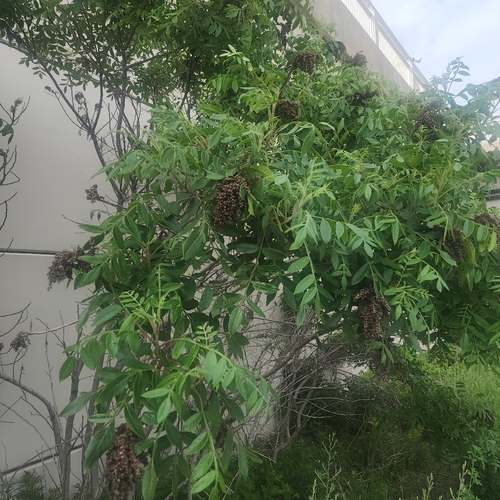
(c) Peter A. Greenberg, some rights reserved (CC BY)
License: CC BY 4.0 ↗
Image may be shown cropped inside the card frame.
Jun 6, 2026
Photo attribution
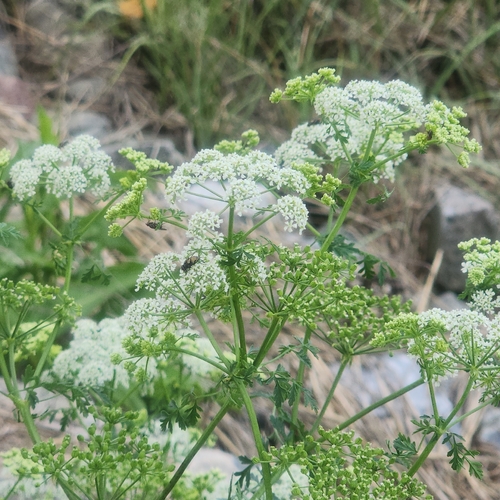
(c) Peter A. Greenberg, some rights reserved (CC BY)
License: CC BY 4.0 ↗
Image may be shown cropped inside the card frame.
Jun 6, 2026
Photo attribution
(c) Peter A. Greenberg, some rights reserved (CC BY)
License: CC BY 4.0 ↗
Image may be shown cropped inside the card frame.
Jun 7, 2026

Maryland, US
You might spot White-Tailed Deer and Eastern Gray Squirrel.
View guide →
.jpg)
District of Columbia, US
You might spot Eastern Gray Squirrel, Duck, and House Sparrow.
View guide →

Illinois, US
You might spot American Robin, Canada Goose, and House Sparrow.
View guide →

Virginia, US
You might spot Spotted Lanternfly and Northern Cardinal.
View guide →
Take the discovery with you
Identify the wildlife you spot, learn as you go, and keep a collection of the adventure.






















.jpeg&width=800)
