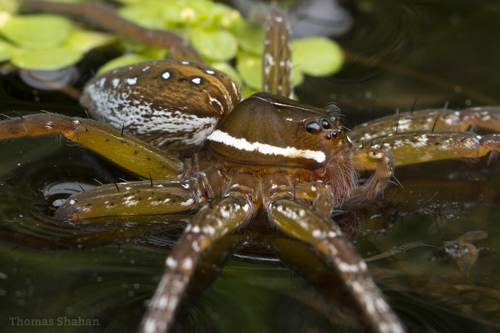


Six-Spotted Fishing Spider
dolomedes triton
The Six-Spotted Fishing Spider (Dolomedes triton) is a remarkable semi-aquatic arachnid found near calm bodies of water across North America. Often seen resting on lily pads or floating vegetation, this agile predator does not spin webs to catch its prey. Instead, it relies on its excellent vision and specialized sensory hairs to detect vibrations in the water surface. Famously capable of walking on water, it can dive beneath the surface to escape predators or chase down aquatic prey, including small fish and tadpoles. It is a fascinating example of adaptation, showcasing how land-dwelling arachnids can dominate aquatic edge habitats.
Habitat: Found near the margins of slow-moving or still freshwater habitats, such as ponds, lakes, marshes, and swamps, where floating vegetation is abundant.
This large spider is easily identified by its dark greenish-brown to grey body, adorned with a striking pale white or cream stripe running along each side of its cephalothorax and abdomen. On its underside, it features six distinct dark spots, which give the species its common name. The abdomen also boasts several pairs of small white spots. Females are significantly larger than males, with a body length reaching up to 2.6 centimeters, and long, robust legs that can extend the total span to over 6 centimeters.
Category
InvertebrateRarity
Common
Danger
1/5 · Very low
Snaps
5
Despite their large size and aquatic hunting habits, these spiders are harmless to humans and will typically dive or swim away when approached.
Female fishing spiders are devoted mothers, carrying their large, silken egg sac in their jaws until the eggs are ready to hatch, then building a protective nursery web for the spiderlings.
They can remain submerged underwater for over half an hour, utilizing an air bubble trapped on their abdomen like a tiny scuba tank.
Uses hydrophobic hairs on its tarsi to distribute weight, allowing it to skate rapidly across the water's surface without sinking.
Can submerge underwater for up to 30 minutes by trapping a silvery bubble of air around its body using specialized water-repellent hairs.
Employs sensitive leg hairs called trichobothria to detect ripples made by struggling insects or tiny fish on the water's surface from several inches away.
An opportunistic ambush predator that feeds on terrestrial insects that fall into the water, as well as small aquatic organisms.
Age differences: Juveniles feed mostly on small aquatic and terrestrial insects, while mature adults are large enough to capture small vertebrates like fish and tadpoles.
Culex pipiens
The spider actively hunts and consumes mosquito larvae on the water surface.
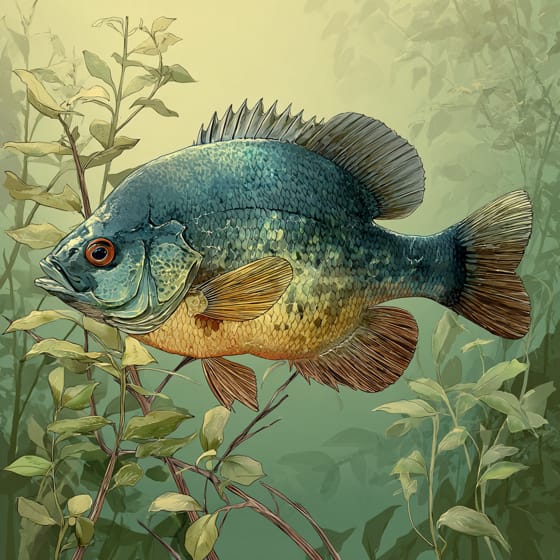
Lepomis macrochirus
This spider is frequently preyed upon by predatory fish sharing its aquatic habitat.
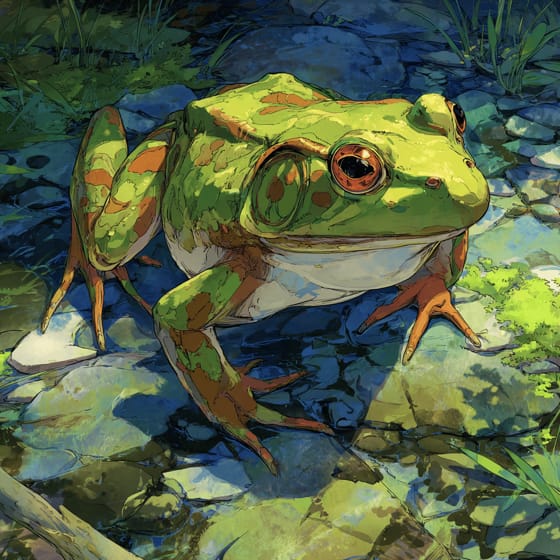
Lithobates catesbeianus
Large frogs readily capture and eat these spiders when they skate too close to the shoreline.
No trait badges are assigned for this object yet.
No aliases listed yet.
Collections for this object will appear here as more themes are added.
Danger
1/5 · Very low
No special safety notes yet.
The easiest way to identify Six-Spotted Fishing Spider is to use the Snappit nature identifier app.
1+ cm
0.001+ kg
1+ years
3 km/h
An opportunistic ambush predator that feeds on terrestrial insects that fall into the water, as well as small aquatic organisms.
Found near the margins of slow-moving or still freshwater habitats, such as ponds, lakes, marshes, and swamps, where floating vegetation is abundant.
Ambush
Zoom in to split clusters and explore where this object has been snapped.

Ohio, US
You might spot Blue-Fronted Dancer, American Rubyspot, and Fowler's Toad.
View guide →

New York, US
You might spot Garter Snake, Painted Turtle, and Monarch.
View guide →

District of Columbia, US
You might spot Blue Dasher, Fragile Forktail, and Slaty Skimmer.
View guide →

Massachusetts, US
You might spot Painted Turtle and Eastern White Pine.
View guide →

Florida, US
You might spot Anhinga, American Alligator, and Wood Duck.
View guide →
Take the discovery with you
Snap it with Snappit to identify it, learn what makes it special, and add the discovery to your collection.