





Sonoran Desert Toad
Incilius alvarius
The Sonoran Desert Toad is a big, friendly toad that lives in the warm Sonoran Desert. It has a bumpy, greenish-brown skin that helps it blend in with its sandy home.
Habitat: Desert
The Sonoran Desert Toad is a large, stout amphibian with smooth, olive-green or brownish skin, often sporting prominent parotoid glands behind its eyes. Its relatively smooth texture and impressive size distinguish it from many other desert toads.
Category
AmphibiansRarity
Common
Danger
2/5 · Low
Snaps
3
Tadpoles of this toad can speed up their growth if their pond starts to dry out, a super survival trick!
Their eyes glow gold or green in the dark when light shines on them, perfect for spotting prey at night!
They make a unique low-pitched 'whooo' sound during mating season, heard only at night!
This toad is one of the biggest native toads in North America, growing longer than your hand!
Sonoran Desert Toad has powerful glands that produce a potent toxin, which helps them defend against most predators.
Sonoran Desert Toad can absorb water directly through a special patch of skin on its belly, keeping them hydrated in dry deserts.
Sonoran Desert Toad can use its strong legs to quickly burrow into the sand, helping them escape heat and hide from predators.
This hungry toad munches on creepy crawlies, small rodents, and even other amphibians to stay full!
Age differences: Tadpoles graze on algae; adult toads are strict carnivores.

Procyon lotor
Raccoons sometimes brave the toad's toxins for a meal.
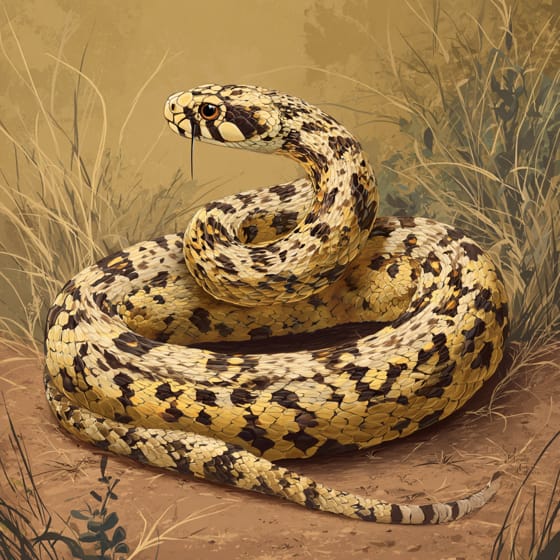
Pituophis catenifer
Some snakes are resistant to the toad's defensive toxins.

Orthoporus ornatus
Adult toads frequently feast on these slow-moving desert invertebrates.
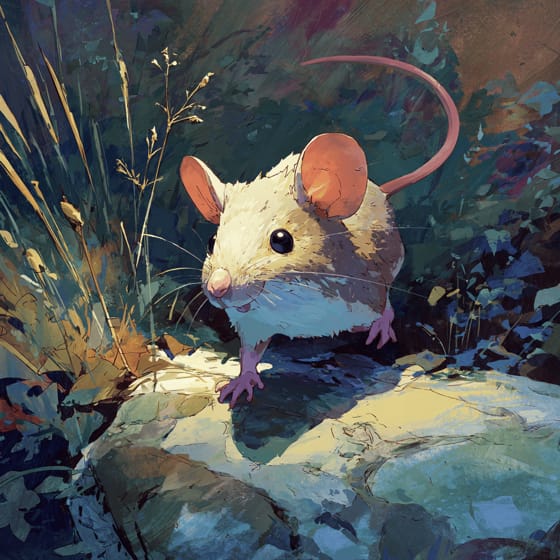
Mus musculus
Larger toads are known to ambush and eat small desert rodents.
Solitary animals live alone for most of their lives, only interacting with others for mating or parental care.
Camouflaged describes organisms that possess coloring or patterns that allow them to blend into their environment.
This trait identifies organisms whose diet primarily consists of insects and other small invertebrates.
Desert habitats are arid regions characterized by extremely low precipitation and often extreme temperatures, supporting specialized flora and fauna.

This trait identifies organisms whose diet consists entirely or primarily of animal tissue.

Giant describes organisms or objects of significantly larger size than average for their species or type.

Poisonous organisms produce toxins that can cause harm when ingested, inhaled, or absorbed through contact.

Nocturnal animals are primarily active during the nighttime hours, typically resting or sleeping during the day.
Danger
2/5 · Low
Don't touch toads unless you have an adult with you, as some can be slippery and might not like to be held.
The easiest way to identify Sonoran Desert Toad is to use the Snappit nature identifier app.
10-19 cm
0.15-0.9 kg
5-15 years
2 km/h
This hungry toad munches on creepy crawlies, small rodents, and even other amphibians to stay full!
Desert
Ambush
Zoom in to split clusters and explore where this object has been snapped.
Take the discovery with you
Snap it with Snappit to identify it, learn what makes it special, and add the discovery to your collection.









.JPG&width=800)



.jpg&width=800)

