





South American Sea Lion
Otaria flavescens
South American sea lions are playful and social animals that love to swim and bask in the sun. They can be found lounging on rocks or beaches, making them a fun sight to see!
Habitat: Coastal areas
The South American Sea Lion has a robust body, typically reddish-brown or yellowish-brown, with adult males sporting a darker, shaggy mane around their neck. Their large head, often with a flattened snout, and powerful front flippers help them stand out from smaller seal species.
Category
MammalsRarity
Common
Danger
2/5 · Low
Snaps
Be the first to snap!
Baby sea lions have fluffy, dark fur when born, which changes color as they grow!
Male sea lions grow a thick, shaggy mane, which is why they're called 'sea lions'!
Their long, stiff whiskers are super sensitive, helping them find prey in murky waters!
They can balance on their large flippers and walk on land, unlike many true seals!
South American Sea Lion can dive over 300 feet deep to hunt prey because of their efficient oxygen use.
They have powerful front flippers that help them glide swiftly through the water, chasing agile fish.
A thick layer of blubber helps them stay warm in the chilly ocean waters they call home.
These sea lions are expert hunters, mostly eating seafood like fish, squid, and octopus!
Age differences: null
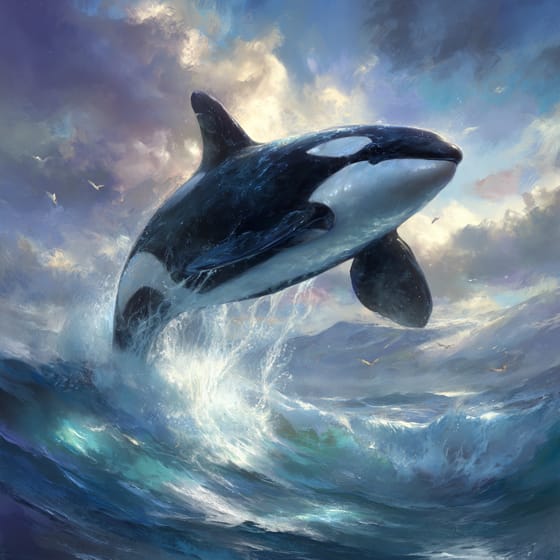
Orcinus orca
Orcas are powerful predators that hunt sea lions.
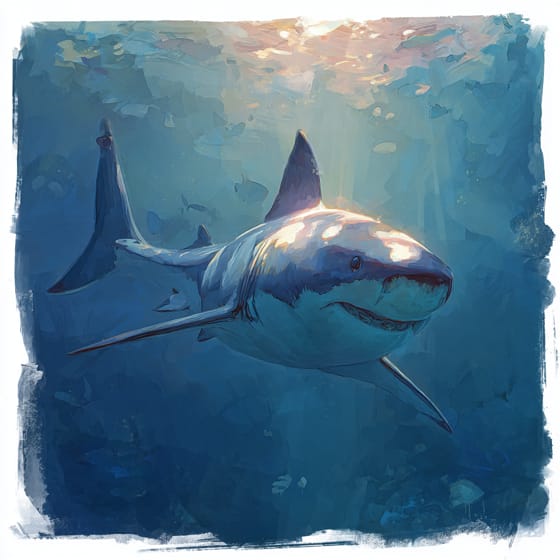
Carcharodon carcharias
Young and adult sea lions can be prey for large sharks.
Engraulis ringens
A key part of their diet, providing essential nutrients.
Loligo gahi
Sea lions actively hunt these agile cephalopods.
Furry describes animals possessing a dense covering of soft hair or fur.
Social animals live in organized groups, cooperating for survival benefits such as foraging, defense, and raising offspring.
Piscivorous organisms are animals that primarily subsist on a diet of fish.
Coastal habitats are dynamic environments located along the interface between land and sea, influenced by tides, waves, and saltwater.

This trait identifies organisms whose diet consists entirely or primarily of animal tissue.

Diurnal animals are primarily active during daylight hours, typically resting or sleeping at night.

Describes a species whose presence and role have a disproportionately large effect on its environment.

Marine habitats encompass all saltwater environments of the Earth's oceans, supporting an immense diversity of aquatic life.
Danger
2/5 · Low
Always watch sea lions from a safe distance and never try to touch them.
The easiest way to identify South American Sea Lion is to use the Snappit nature identifier app.
180-280 cm
140-350 kg
15-20 years
25 km/h
These sea lions are expert hunters, mostly eating seafood like fish, squid, and octopus!
Coastal areas
Pursuit
Zoom in to split clusters and explore where this object has been snapped.
Recent snaps will appear here as new observations are added.
England, UK
You might spot African Elephant, Bornean Orangutan, and Tiger.
View guide →

Bavaria, DE
You might spot Polar Bear, Giraffes, and Asian Elephant.
View guide →

Vienna, AT
You might spot Giant Panda, Polar Bear, and African Elephant.
View guide →
Take the discovery with you
Snap it with Snappit to identify it, learn what makes it special, and add the discovery to your collection.




.jpg&width=800)


.JPG&width=800)



.jpg&width=800)
