





southern sugar maple
Acer floridanum
The southern sugar maple is a beautiful tree with lovely leaves that turn bright colors in the fall. It can grow tall and provides shade for people and animals alike.
Habitat: Forests
The southern sugar maple is a medium-sized deciduous tree with distinctively five-lobed leaves that are smooth and bright green above, often fuzzy underneath. Its bark is typically grayish-brown, becoming furrowed and somewhat flaky with age, making it visually appealing year-round.
Category
PlantsRarity
Common
Danger
1/5 · Very low
Snaps
1
Early settlers learned to tap its sap for a sweet, natural sugar source long before stores existed!
Its hard, dense wood is perfect for making fine furniture, flooring, and even musical instruments!
This tree is a master of survival, thriving in diverse soils from wet riverbanks to dry uplands.
Unlike northern maples, this southern cousin often keeps its vibrant green leaves longer into autumn.
Southern sugar maple can produce sweet sap that helps it store energy for new growth after the winter months.
Southern sugar maple has deep roots and relatively thick leaves that help it survive dry spells in warmer climates.
Southern sugar maple has unique seeds with 'wings' (samaras) that help them spin and glide far from the parent tree.

Odocoileus virginianus
Browses on young leaves and twigs.
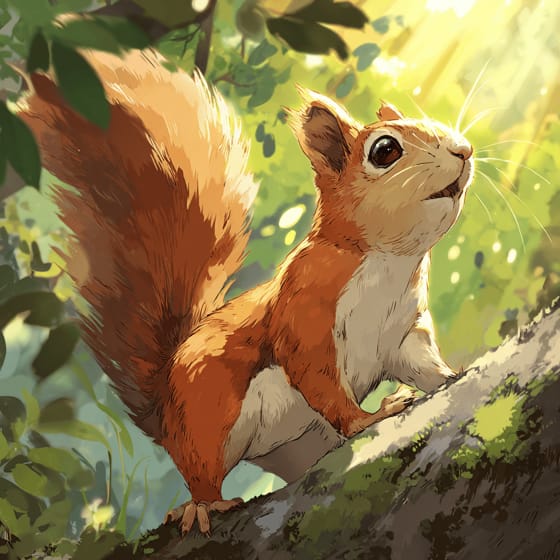
Sciurus carolinensis
Feeds on the tree's winged seeds.
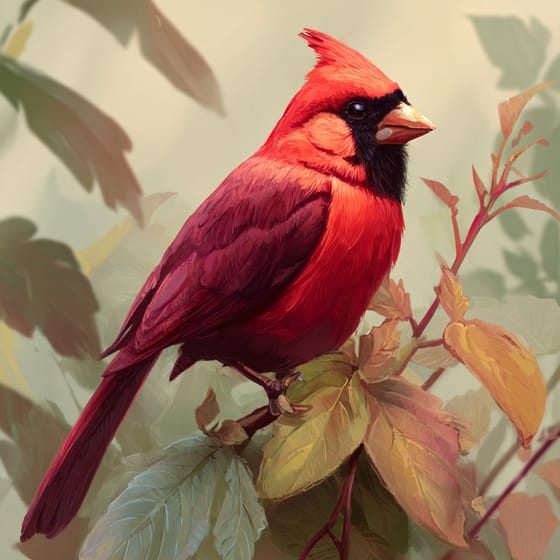
Cardinalis cardinalis
Builds nests and finds refuge in its branches.
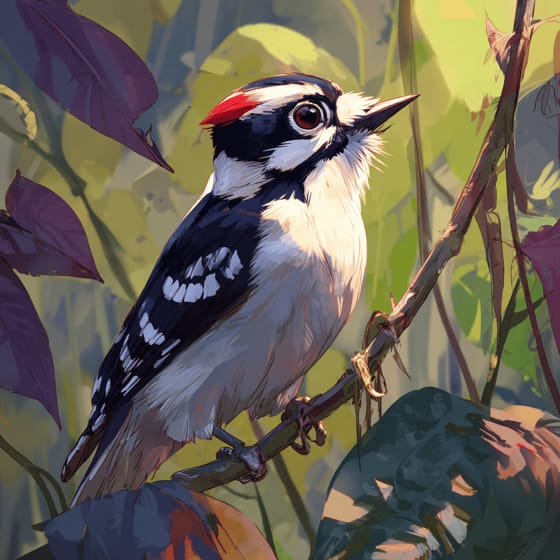
Dryobates pubescens
Uses dead wood for nesting cavities.
Deciduous plants periodically shed all their leaves, typically during autumn or dry seasons.
Shade tolerant plants are adapted to grow and thrive in areas with low light levels, requiring less direct sunlight.
Broadleaf trees are angiosperms characterized by flat, wide leaves that are typically shed annually in temperate climates.
Edible plants are those parts of a plant that are considered safe for human consumption.

Fall color refers to the seasonal change in foliage pigmentation, primarily in deciduous plants, displaying vibrant hues.

Describes plants that are particularly attractive and beneficial to a wide range of pollinating organisms.

Timber refers to wood that has been prepared for use in building and carpentry.

Forest habitats are terrestrial environments dominated by dense tree cover, supporting a high diversity of plant and animal life.

This trait characterizes organisms with an exceptionally long lifespan compared to others of their kind.
No aliases listed yet.
Danger
1/5 · Very low
Always stay on paths when exploring near trees, and don't climb without an adult's help.
The easiest way to identify southern sugar maple is to use the Snappit nature identifier app.
1500-3000 cm
900-1500 cm
0.2-0.5 cm
Early spring
Yes
None
Perennial
Zoom in to split clusters and explore where this object has been snapped.
Take the discovery with you
Snap it with Snappit to identify it, learn what makes it special, and add the discovery to your collection.








.jpg&width=800)


_001.jpg&width=800)

