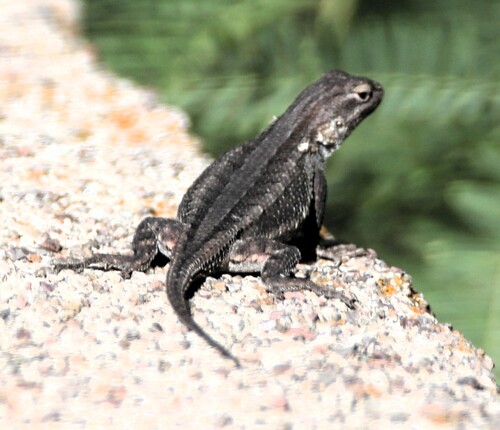
Southwestern Fence Lizard
Sceloporus cowlesi
The Southwestern Fence Lizard is a small, spiky lizard that loves to bask in the sun. With its bright colors and fast movements, it can be a fun friend to spot in the wild!
Habitat: Desert
The Southwestern Fence Lizard is typically gray to brownish, often marked with darker spots or wavy crossbands. It has distinctly keeled, spiny scales giving it a rough texture. Males display bright blue patches on their throat and belly, especially during breeding season.
Category
ReptilesRarity
Common
Danger
1/5 · Very low
Snaps
2
If a predator grabs its tail, this lizard can simply snap it off!
Males do speedy push-ups to impress females and warn other lizards!
These lizards love sunbathing to get energy for their daily adventures!
They are like tiny pest control experts, eating many garden insects!
Southwestern Fence Lizard can drop its tail if caught, because it helps them escape from predators.
Southwestern Fence Lizard can subtly change its skin color, because it helps them blend in with their surroundings.
Southwestern Fence Lizard has strong claws and feet that helps them climb vertical surfaces with ease.
Southwestern Fence Lizard can find sunny spots to warm its body, because it helps them stay active and hunt.
These lizards are tiny hunters, munching on small bugs and spiders that cross their path.
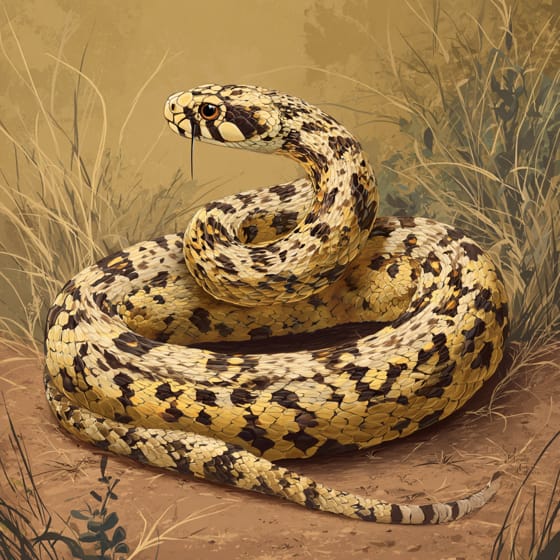
Pituophis catenifer
A common snake predator in their habitat.
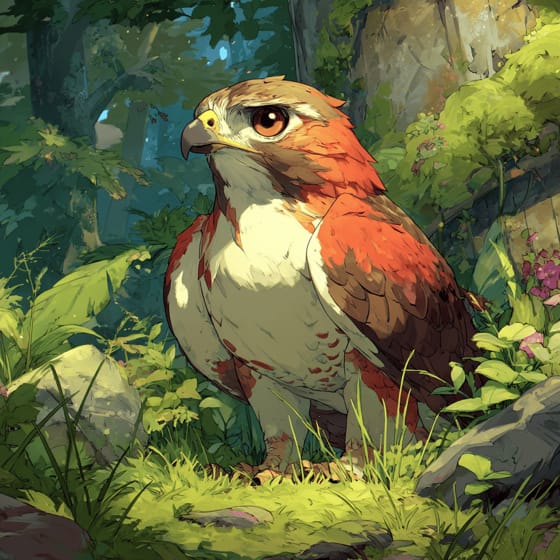
Buteo jamaicensis
These birds of prey hunt lizards from above.
Formica fusca
A common insect prey species for the lizard.
Camouflaged describes organisms that possess coloring or patterns that allow them to blend into their environment.
Colorful describes organisms or objects displaying a wide range of bright and distinct colors.
This trait identifies organisms whose diet primarily consists of insects and other small invertebrates.
Desert habitats are arid regions characterized by extremely low precipitation and often extreme temperatures, supporting specialized flora and fauna.

Possessing sharp, pointed projections or spines on the body or surface.

Diurnal animals are primarily active during daylight hours, typically resting or sleeping at night.

This trait identifies organisms that exhibit exceptional swiftness in movement for hunting, escape, or travel.
No aliases listed yet.
Danger
1/5 · Very low
If you see a lizard, watch it from a distance and don't try to catch it.
The easiest way to identify Southwestern Fence Lizard is to use the Snappit nature identifier app.
10-18 cm
0.005-0.015 kg
2-5 years
10 km/h
These lizards are tiny hunters, munching on small bugs and spiders that cross their path.
Desert
Ambush
Zoom in to split clusters and explore where this object has been snapped.
May 24, 2026
Chihuahuan Desert Nature Center and Botanical GardensPhoto attribution
no rights reserved
License: CC0 1.0 ↗
Image may be shown cropped inside the card frame.

Texas, US
You might spot Texas Hedgehog Cactus, Ornate Tree Lizard, and Cactus Wren.
View guide →

New Mexico, US
You might spot Sand Tiger Shark and Zebra Shark.
View guide →
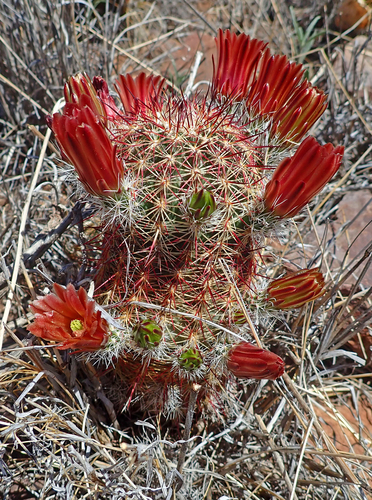
Texas, US
You might spot Texas Hedgehog Cactus, Cactus Wren, and Ornate Tree Lizard.
View guide →

New Mexico, US
You might spot Texas Rainbow Cactus, Giant Desert Centipede, and Ocotillo.
View guide →

New Mexico, US
You might spot Olive Tree, Saguaro Cactus, and Sheep.
View guide →
Take the discovery with you
Snap it with Snappit to identify it, learn what makes it special, and add the discovery to your collection.