





spectacled bear
Tremarctos ornatus
The spectacled bear is the only bear found in South America. They have unique markings around their eyes that look like glasses, which is why they are called 'spectacled' bears!
Habitat: Mountain regions
The spectacled bear has shaggy, dark brown to black fur. It is easily recognized by unique creamy-white or yellowish markings around its eyes, resembling spectacles, which can sometimes extend down its chest.
Category
MammalsRarity
Common
Danger
3/5 · Moderate
Snaps
Be the first to snap!
Every spectacled bear has a unique pattern of facial markings, just like human fingerprints!
Spectacled bears often build platforms high in trees where they rest and eat their meals in peace!
They are often called 'Andean bears' because they live exclusively in the Andes mountains.
They are the ONLY bear species found in South America, making them truly special!
The spectacled bear can climb trees easily because of its strong claws and agile body, helping them reach food and safety.
The spectacled bear has powerful jaws and large molars that help them crush tough plants like bromeliads and palm nuts.
The spectacled bear can find hidden food like fruits and insects because of its excellent sense of smell.
The spectacled bear has a unique ability called delayed implantation, which helps time cub births for when food is plentiful.
These bears mostly munch on plants and fruits, but they'll snack on insects and small creatures too!
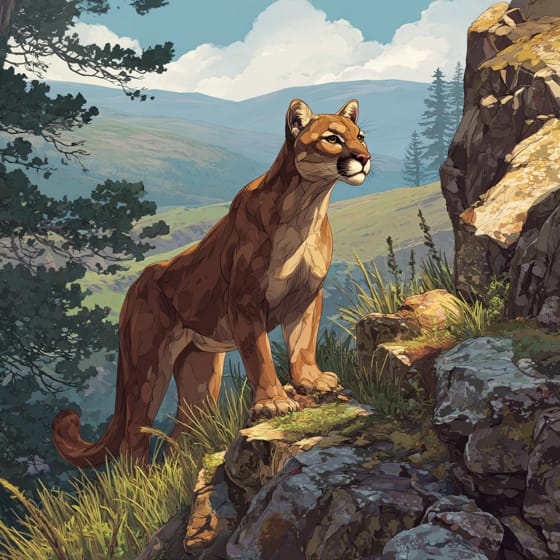
Puma concolor
Cubs may be preyed upon by pumas.
Ficus insipida
Eats the fruits of fig trees.
Atta cephalotes
Feeds on leafcutter ants.
Bactris gasipaes
Consumes the nutritious fruit and nuts of peach palms.
Furry describes animals possessing a dense covering of soft hair or fur.
Solitary animals live alone for most of their lives, only interacting with others for mating or parental care.
Arboreal animals live primarily in trees, utilizing them for shelter, food, and protection from predators.
This trait characterizes organisms whose diet consists entirely or primarily of plant material.

This habitat trait identifies species found in mountainous regions, characterized by high elevation, steep slopes, and varying climate zones.
This habitat trait refers to species found in tropical rainforests, characterized by high annual rainfall, high biodiversity, and dense tree cover.

Describes a species whose presence and role have a disproportionately large effect on its environment.

Endangered status indicates a species is at a very high risk of extinction in the wild in the near future.
Danger
3/5 · Moderate
If you see a bear in the wild, stay calm and quietly walk away. Never approach them.
The easiest way to identify spectacled bear is to use the Snappit nature identifier app.
120-200 cm
60-170 kg
20-30 years
50 km/h
These bears mostly munch on plants and fruits, but they'll snack on insects and small creatures too!
Mountain regions
Foraging
Zoom in to split clusters and explore where this object has been snapped.
Recent snaps will appear here as new observations are added.
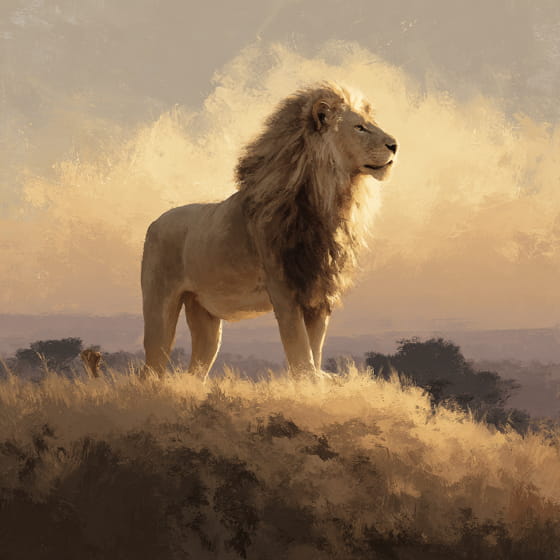
Louisiana, US
You might spot African Lion, Jaguar, and American Alligator.
View guide →
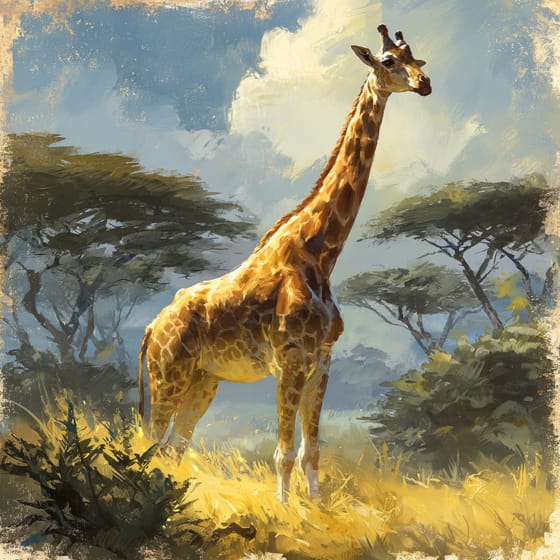
Indiana, US
You might spot Giraffes, African Lion, and Southern White Rhinoceros.
View guide →

Northern Ireland, UK
You might spot Giraffes, Spectacled Bear, and Goodfellow's Tree-Kangaroo.
View guide →
Connecticut, US
You might spot Tiger, Panthera Pardus Orientalis, and Andean Condor.
View guide →
.jpeg&width=800)
Tennessee, US
You might spot Mainland Clouded Leopard, Spectacled Bear, and Tiger.
View guide →
Maryland, US
You might spot Spectacled Bear, Jaguar, and Canis Lupus Rufus.
View guide →
Take the discovery with you
Snap it with Snappit to identify it, learn what makes it special, and add the discovery to your collection.




.jpg&width=800)



.JPG&width=800)


.jpg&width=800)
