





Spinner Dolphin
Stenella longirostris
Spinner dolphins are playful and love to jump out of the water! They are friendly creatures that often swim in groups called pods.
The Spinner Dolphin has a sleek, torpedo-shaped body with a dark grey back, light grey sides, and a white belly. It often features a dark stripe from its eye to its flipper. Its long, slender snout and dark eye patch distinguish it from other dolphins.
Category
MammalsRarity
Common
Danger
1/5 · Very low
Snaps
4
Spinner dolphins can gather in 'super-pods' of thousands of individuals!
Their amazing spins are thought to communicate, clean, or even play!
They are named for their incredible acrobatic aerial spins!
They nap by resting near the surface, with half their brain asleep at a time!
Spinner Dolphins can leap and spin mid-air because of their powerful tails, stunning prey and signaling to others.
Spinner Dolphins use echolocation to navigate and find food in the dark ocean depths, sending out clicks and listening for echoes.
Spinner Dolphins hunt cooperatively, herding schools of fish into tight balls that helps them catch more food efficiently.
These speedy dolphins eat small fish, squid, and shrimp that they hunt in deep ocean waters.

Orcinus orca
Orcas are apex predators and will occasionally prey on dolphins.
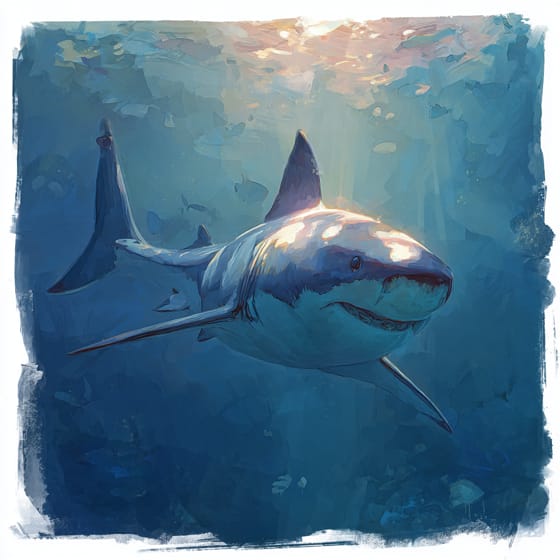
Carcharodon carcharias
Large sharks sometimes prey on young or vulnerable dolphins.
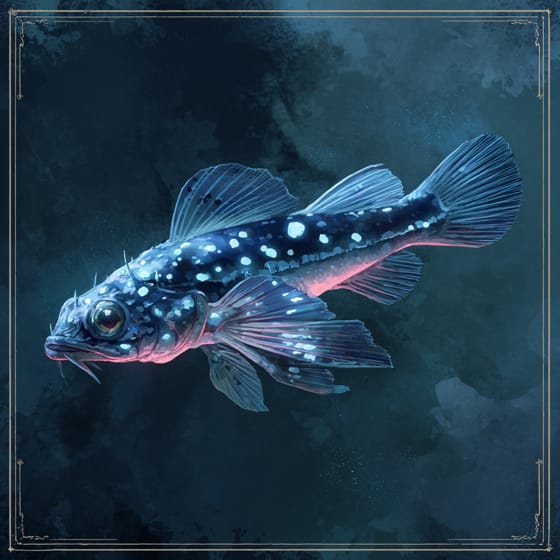
Myctophum affine
Spinner dolphins primarily hunt these small, schooling fish at night.
Sthenoteuthis oualaniensis
Squid are a significant part of their diet, especially during deep-water hunts.
Wildlife encompasses all undomesticated animal and plant life existing in their natural habitats.
Furry describes animals possessing a dense covering of soft hair or fur.
Social animals live in organized groups, cooperating for survival benefits such as foraging, defense, and raising offspring.
Piscivorous organisms are animals that primarily subsist on a diet of fish.
Echolocation is a biological sonar used by animals to navigate, hunt, and communicate by emitting sound waves and interpreting the echoes.

This trait identifies organisms that exhibit exceptional swiftness in movement for hunting, escape, or travel.

Aquatic habitats encompass environments where organisms live predominantly in water, including oceans, rivers, lakes, and wetlands.

Marine habitats encompass all saltwater environments of the Earth's oceans, supporting an immense diversity of aquatic life.
Danger
1/5 · Very low
Always watch dolphins from a distance and never try to touch them in the wild.
The easiest way to identify Spinner Dolphin is to use the Snappit nature identifier app.
170-240 cm
60-90 kg
20-25 years
40 km/h
These speedy dolphins eat small fish, squid, and shrimp that they hunt in deep ocean waters.
Pursuit
1
Zoom in to split clusters and explore where this object has been snapped.

Hawaii, US
You might spot Brown Anole, Gold Dust Day Gecko, and Red-Crested Cardinal.
View guide →

Hawaii, US
You might spot Gold Dust Day Gecko, Yellow Tang, and Saffron Finch.
View guide →
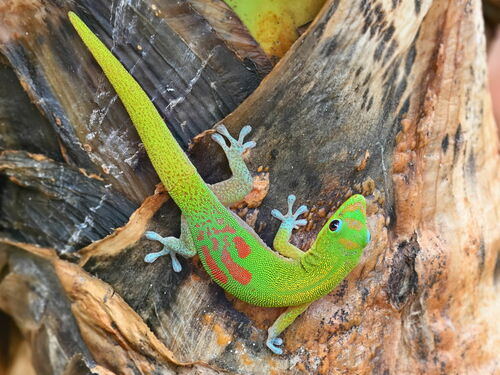
Hawaii, US
You might spot Gold Dust Day Gecko, Sea Turtle, and Brown Anole.
View guide →

Hawaii, US
You might spot ʻōhiʻa Lehua, Red Junglefowl, and Red-Crested Cardinal.
View guide →
Take the discovery with you
Snap it with Snappit to identify it, learn what makes it special, and add the discovery to your collection.





.jpg&width=800)



.JPG&width=800)



.jpg&width=800)
