.jpg&width=800)





Spotted Apatelodes Moth
Apatelodes torrefacta
The Spotted Apatelodes Moth is a beautiful insect with big, soft wings covered in spots. It loves to flutter around at night and can be found resting on tree trunks during the day.
Habitat: Forests
The Spotted Apatelodes Moth is a fuzzy, medium-sized moth with grayish-brown forewings featuring wavy dark lines and a prominent black spot. Its hindwings are paler, often yellowish-white. This coloration helps it blend seamlessly with tree bark.
Category
InsectsRarity
Common
Danger
1/5 · Very low
Snaps
5
Adult Spotted Apatelodes Moths do not eat at all, living only off stored energy from their caterpillar stage!
The caterpillar spins a clever cocoon often hidden under leaves, made from silk and chewed wood bits.
Their fuzzy caterpillars sport flashy yellow and black stripes, making them look like a tiny tiger.
This moth typically lives only about one week as an adult, purely to find a mate and lay eggs!
Spotted Apatelodes Moth has cryptic wing patterns that help them blend perfectly into tree bark to avoid predators.
Spotted Apatelodes Moth can detect pheromones over long distances because of its feathery antennae, helping them find mates.
Spotted Apatelodes Moth's caterpillar has a very fuzzy body that helps deter some predators from eating it.
Caterpillars munch on various tree leaves; adult moths famously do not eat at all!
Age differences: Larvae are herbivorous leaf-eaters, while adults do not feed, relying on stored energy for a short reproductive phase.
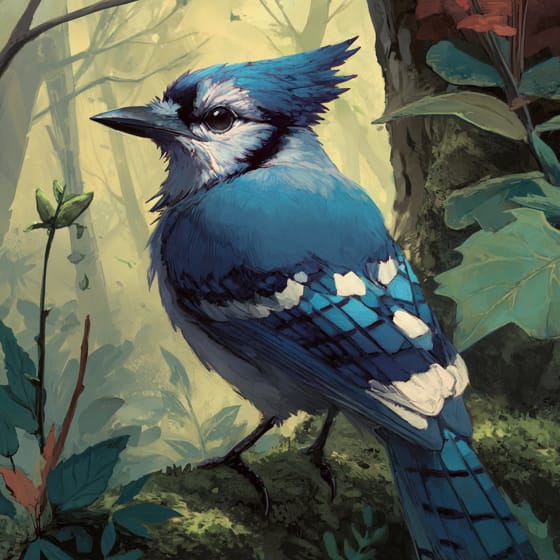
Cyanocitta cristata
Blue Jays often prey on moth caterpillars and adults.
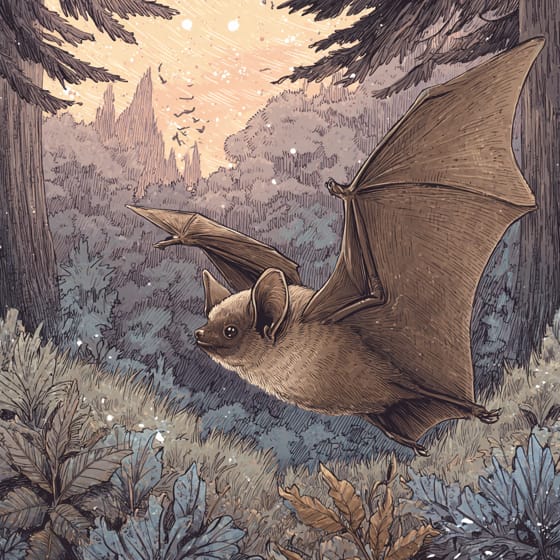
Myotis lucifugus
Bats hunt nocturnal moths using echolocation at night.
Quercus rubra
Caterpillars often feed on the leaves of oak trees.

Acer rubrum
Young moths eat leaves from maple trees for growth.
Furry describes animals possessing a dense covering of soft hair or fur.
Marked with spots or patches of a different color.
Solitary animals live alone for most of their lives, only interacting with others for mating or parental care.
This trait characterizes organisms whose diet consists entirely or primarily of plant material.

Forest habitats are terrestrial environments dominated by dense tree cover, supporting a high diversity of plant and animal life.

Nocturnal animals are primarily active during the nighttime hours, typically resting or sleeping during the day.

Describes organisms that transfer pollen, enabling the fertilization and reproduction of plants.
No aliases listed yet.
Danger
1/5 · Very low
Moths are usually safe to watch, but it's best not to touch them.
The easiest way to identify Spotted Apatelodes Moth is to use the Snappit nature identifier app.
30-50 mm
15-25 mm
7-14 days
8 km/h
Caterpillars munch on various tree leaves; adult moths famously do not eat at all!
Forests
Foraging
Zoom in to split clusters and explore where this object has been snapped.

Alabama, US
You might spot Painted Bunting, House Finch, and Red-Shouldered Hawk.
View guide →

Virginia, US
You might spot Asian Lady Beetle, Spotted Lanternfly, and Christmas Fern.
View guide →

West Virginia, US
You might spot Great Rhododendron and Mountain Laurel.
View guide →

Ohio, US
You might spot Canada Goose and Common Eastern Bumble Bee.
View guide →

New Jersey, US
You might spot Blue Corporal and Mountain Laurel.
View guide →

Alabama, US
You might spot Banded Tussock Moth and Southern Pearly-Eye.
View guide →
Take the discovery with you
Snap it with Snappit to identify it, learn what makes it special, and add the discovery to your collection.







.jpg&width=800)



