





star-flowered lily-of-the-valley
Maianthemum stellatum
The star-flowered lily-of-the-valley is a lovely flower that blooms in spring. It has tiny, star-shaped white flowers that look like little stars shining in the forest!
Habitat: Forests
The star-flowered lily-of-the-valley is a delicate plant with unbranched stems holding 2-4 oval, pointed leaves. It features small clusters of pure white, star-shaped flowers, each with six petals. These flowers are followed by striped green berries that ripen to a translucent, ruby-red.
Category
PlantsRarity
Common
Danger
2/5 · Low
Snaps
16
Despite its name, it's not a 'true' lily-of-the-valley, but a close relative!
Its scientific name means 'May flower with stars' – how poetic!
The berries start with green stripes, then magically turn a shiny translucent red!
You can find these tiny white stars blooming even in cool, damp forest shade!
Star-flowered lily-of-the-valley can spread through underground stems (rhizomes) that helps it form large colonies.
Star-flowered lily-of-the-valley has broad leaves that help it capture sunlight efficiently in shady forest understories.
Star-flowered lily-of-the-valley produces bright red berries that help it attract birds for seed dispersal.
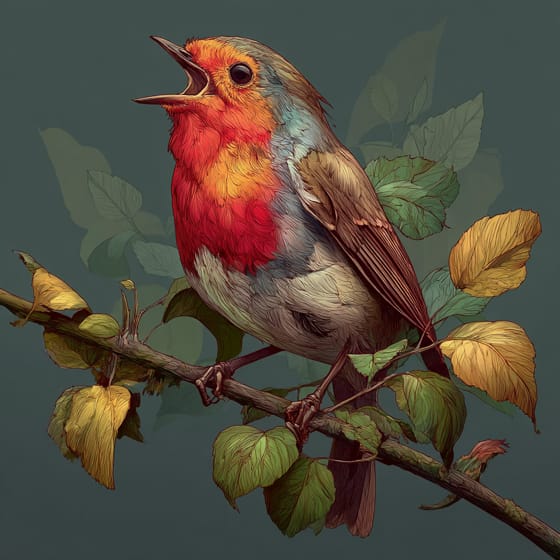
Turdus migratorius
Eats its ripe red berries
Bombus impatiens
Visits flowers for nectar
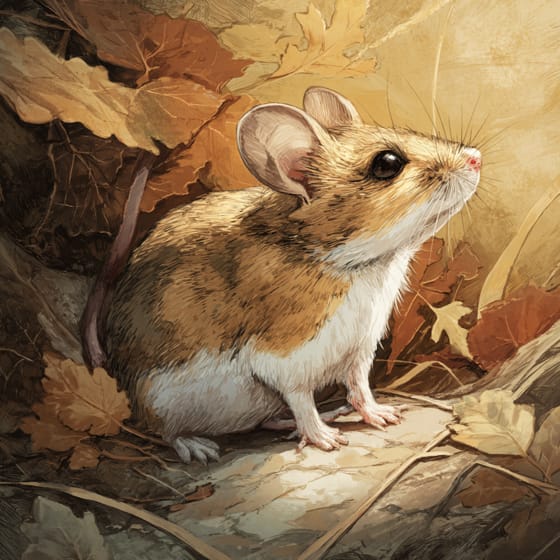
Peromyscus maniculatus
Consumes the sweet berries
Deciduous plants periodically shed all their leaves, typically during autumn or dry seasons.
Flowering plants are any plants that produce flowers as part of their reproductive cycle.
Cluster flowers are inflorescences where individual flowers are arranged closely together on a common stem.
Shade tolerant plants are adapted to grow and thrive in areas with low light levels, requiring less direct sunlight.

Spring blooming plants produce their flowers during the spring season, often signifying the end of winter and the start of new growth.

Fragrant flowers emit a pleasant aroma, often to attract pollinators or for defense.

Describes plants that are particularly attractive and beneficial to a wide range of pollinating organisms.

Forest habitats are terrestrial environments dominated by dense tree cover, supporting a high diversity of plant and animal life.
No aliases listed yet.
Danger
2/5 · Low
Do not touch or eat any wild plants without asking an adult first.
The easiest way to identify star-flowered lily-of-the-valley is to use the Snappit nature identifier app.
15-60 cm
10-30 cm
0.5-1 cm
Spring
No
Mild
Perennial
Zoom in to split clusters and explore where this object has been snapped.

Wisconsin, US
You might spot Eastern Redcedar, Rock Polypody, and Vulture.
View guide →

Michigan, US
You might spot Bladder Campion, Bearberry, and Common Milkweed.
View guide →

Alaska, US
You might spot Moose, Devil's Club, and Red-Berried Elder.
View guide →

Wyoming, US
You might spot Moose, Uinta Ground Squirrel, and American Bison.
View guide →

Wisconsin, US
You might spot Sundial Lupine, Canadian Lousewort, and Cream Wild-Indigo.
View guide →

California, US
You might spot Pacific Banana Slug and Ensatina.
View guide →
Take the discovery with you
Snap it with Snappit to identify it, learn what makes it special, and add the discovery to your collection.





.jpg&width=800)


_001.jpg&width=800)



